Wang Yi warns Japan, pushes South China Sea code — SkimNews
Get the Geopolitics newsletter
Daily geopolitics — wars, elections, sanctions, the diplomatic moves that move markets. Free.
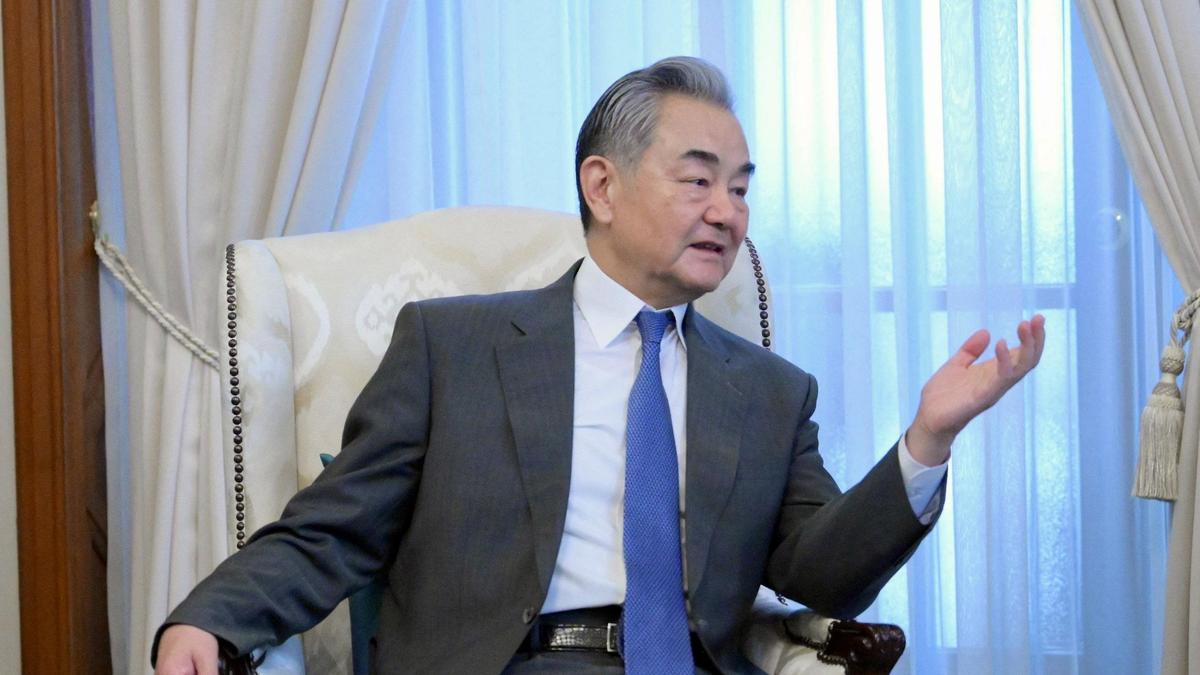
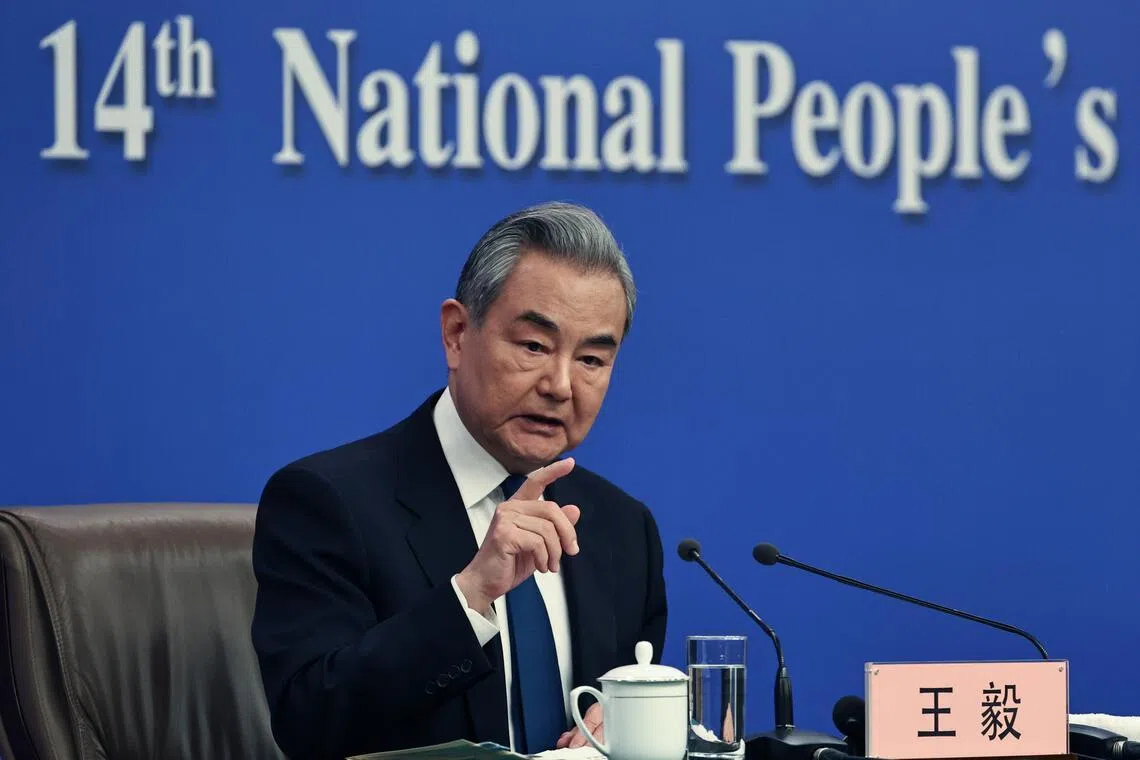
- Wang Yi warned Japan that its future relations with China hinge on its choices, urging Japanese leaders to “open their eyes” and avoid repeating WWII-era mistakes.
- Wang Yi reiterated that Taiwan is an internal Chinese matter, called reunification “unstoppable,” and accused Taiwan’s Democratic Progressive Party of destabilising the region, warning Japan against interference.
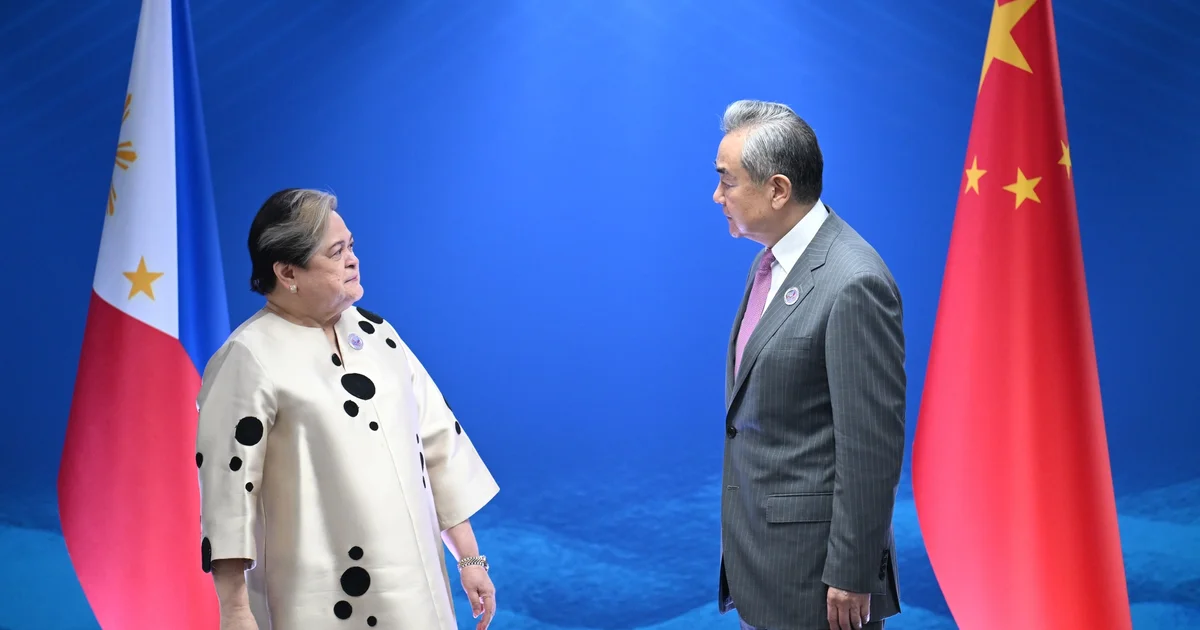
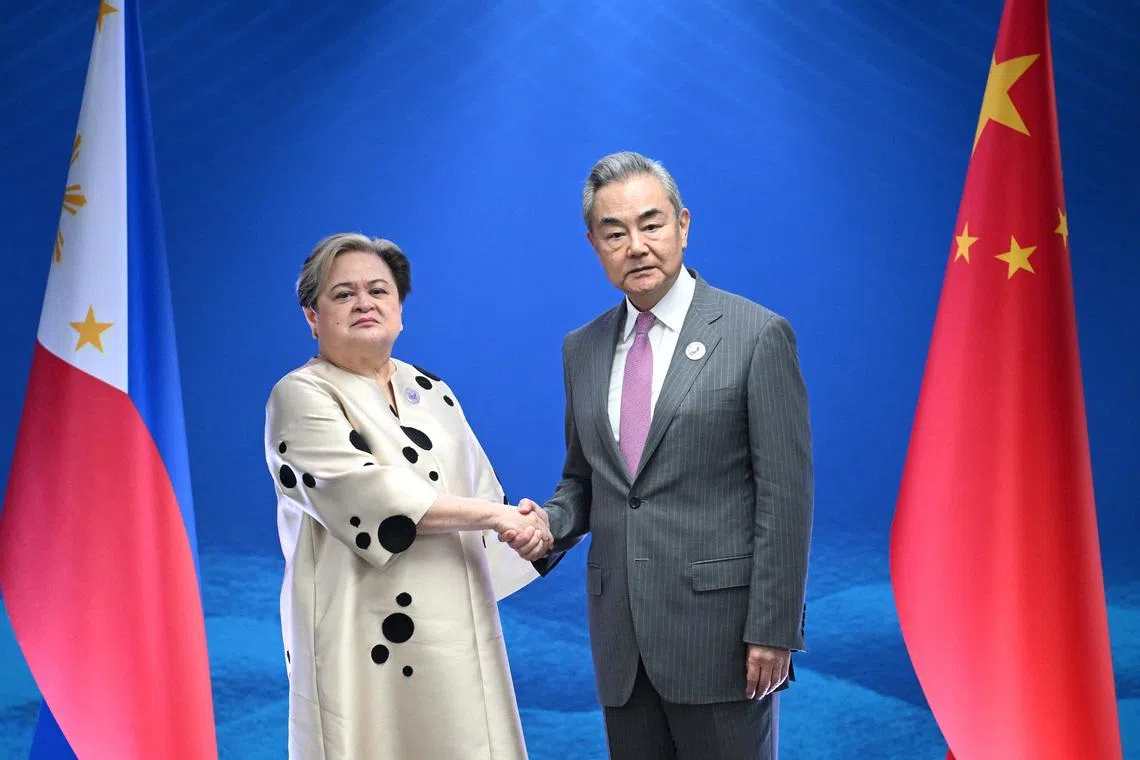
- Wang Yi announced China’s intent to finalize a South China Sea code of conduct with ASEAN in 2026, urging the Philippines, as the upcoming ASEAN chair, to resist “self‑interest” and fulfill its responsibilities.
- China has escalated economic pressure on Japan, adding 20 Japanese firms to an export‑control list in February and cutting seafood imports and rare‑earth shipments, while travel warnings have slashed Chinese arrivals to Japan by over 60% in January.
- Chen Yang of the Haiyi Institute noted that Wang’s remarks mark a firmer stance than previous diplomatic language and warned that Japan’s defence‑policy shifts could trigger further friction in 2026.
- Professor Fan Lei warned that the South China Sea code of conduct faces hurdles, including disagreements over legal binding and U.S. involvement, and that China may take “more resolute countermeasures” if the Philippines pursues private gain over public duty.
Why it matters: Japan risks intensified economic retaliation and diplomatic isolation as China tightens export controls, curtails seafood and rare‑earth shipments, and warns against interference in Taiwan. Simultaneously, China’s push for a South China Sea code of conduct, aimed at the Philippines, could reshape regional maritime cooperation and security arrangements.
Ask SkimNews