Wang Yi Tells Manila: South China Sea at 'Crossroads' — SkimNews
Get the Geopolitics newsletter
Daily geopolitics — wars, elections, sanctions, the diplomatic moves that move markets. Free.
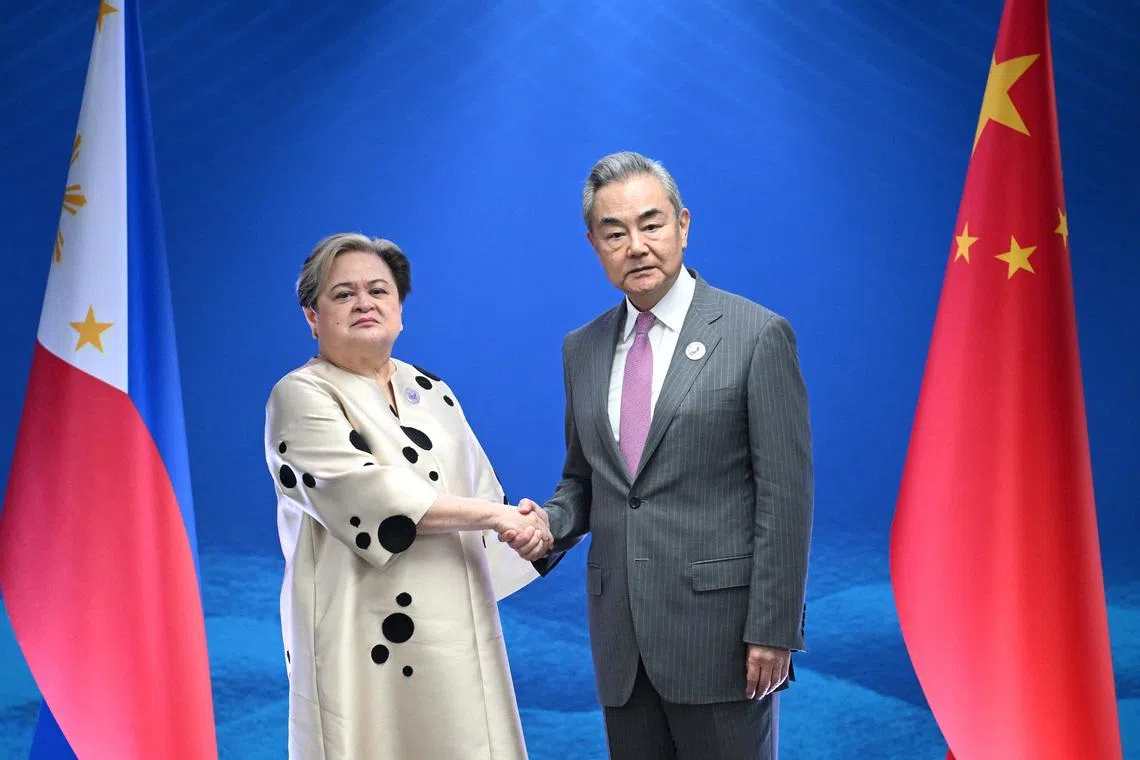
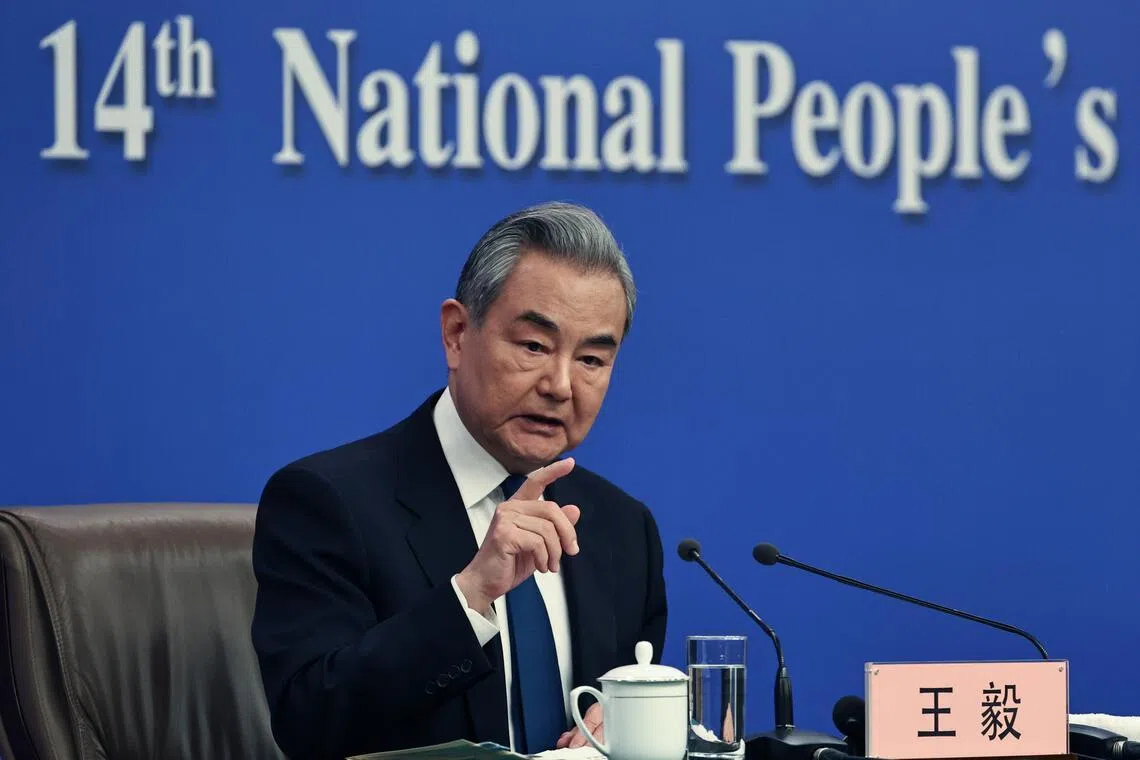
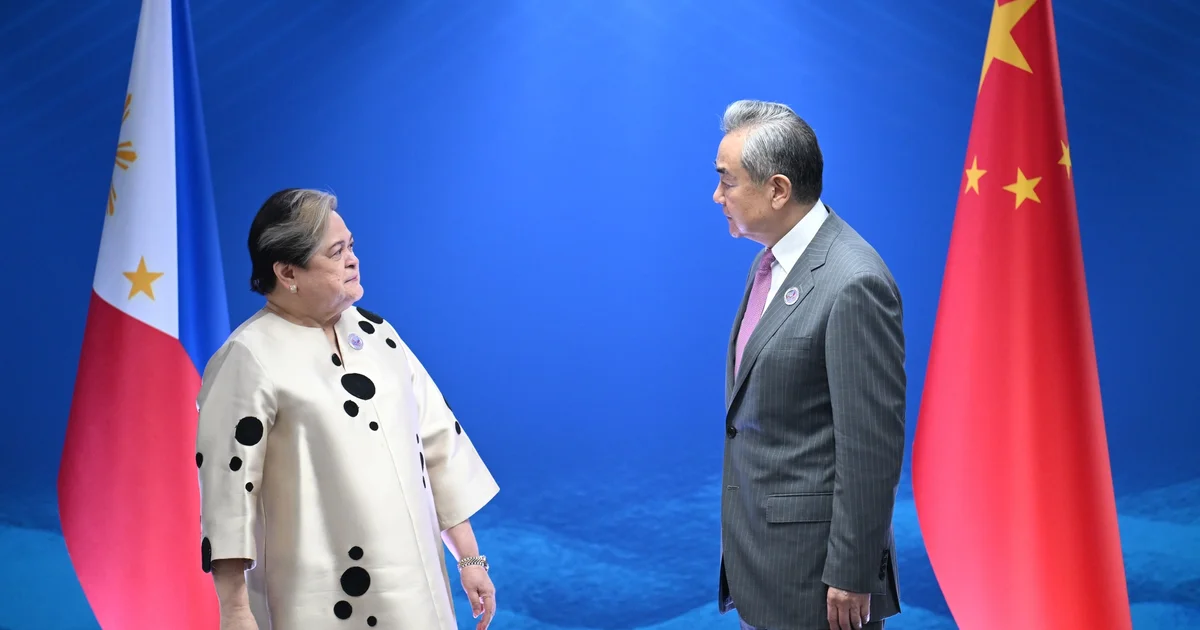
- China's Foreign Minister Wang Yi told Philippine counterpart Tess Lazaro at the ASEAN-related foreign ministers' meetings in Manila on 22 July that bilateral relations "now stand at a crossroads," phrasing the article's Chinese authors say was a deliberate warning and invitation to make the "correct, rational decisions."
- On 20 July, two days before those meetings, Chinese and Philippine personnel came to blows at Second Thomas Shoal; Beijing cast the timing as Manila deliberately staging the incident to force the dispute onto a multilateral agenda.
- Under President Ferdinand Marcos Jr, Manila abandoned the quiet bilateralism of the Duterte years, publicised nearly every coast-guard encounter and rebuilt its legal case on the 2016 arbitral award that Beijing dismisses as "illegal and void."
- Manila's first external lever is Washington: the 1951 Mutual Defence Treaty has been reinvigorated, the Typhon system retained beyond its initial exercise deployment, the NMESIS anti-ship system rotated in during 2025, and Donald Trump pledged to raise Manila's concerns with Xi Jinping.
- Beijing views Japan's return via the Reciprocal Access Agreement and January 2026 military logistics accord as the more sensitive lever, with Chinese commentary now casting Tokyo — not the US — as the power "fuelling" South China Sea tensions.
- ASEAN has stayed conspicuously near-silent, leaving most of Manila's explicit diplomatic backing to partners outside Southeast Asia.
- Marcos's pivot is now institutionalised through a Maritime Zones Act and armed forces retooled for "archipelagic defence," making the more accommodating Duterte-era approach unlikely to return regardless of who succeeds him.
Why it matters: Manila's reorientation is no longer a political choice that a successor could easily unwind — it has been codified in a Maritime Zones Act and a military doctrine of "archipelagic defence" that the article's authors say Beijing's hope for a return to quiet bilateralism underestimates. The Philippines' success in getting a single reef incident onto a US–China summit agenda marks a concrete shift in how Beijing's periphery disputes now get escalated.
Ask SkimNews