Alcohol-related cancer deaths in US have more than doubled over three decades — SkimNews

Get the Health newsletter
Daily health & science — research, biotech, public health, the studies worth knowing. Free.
- Sylvester Comprehensive Cancer Center researchers at the University of Miami Miller School of Medicine analyzed Global Burden of Disease data over 33 years, finding annual US cancer deaths attributed to alcohol rose from 11,361 in 1990 to 23,126 in 2023, per their August study in the Lancet Regional Health.
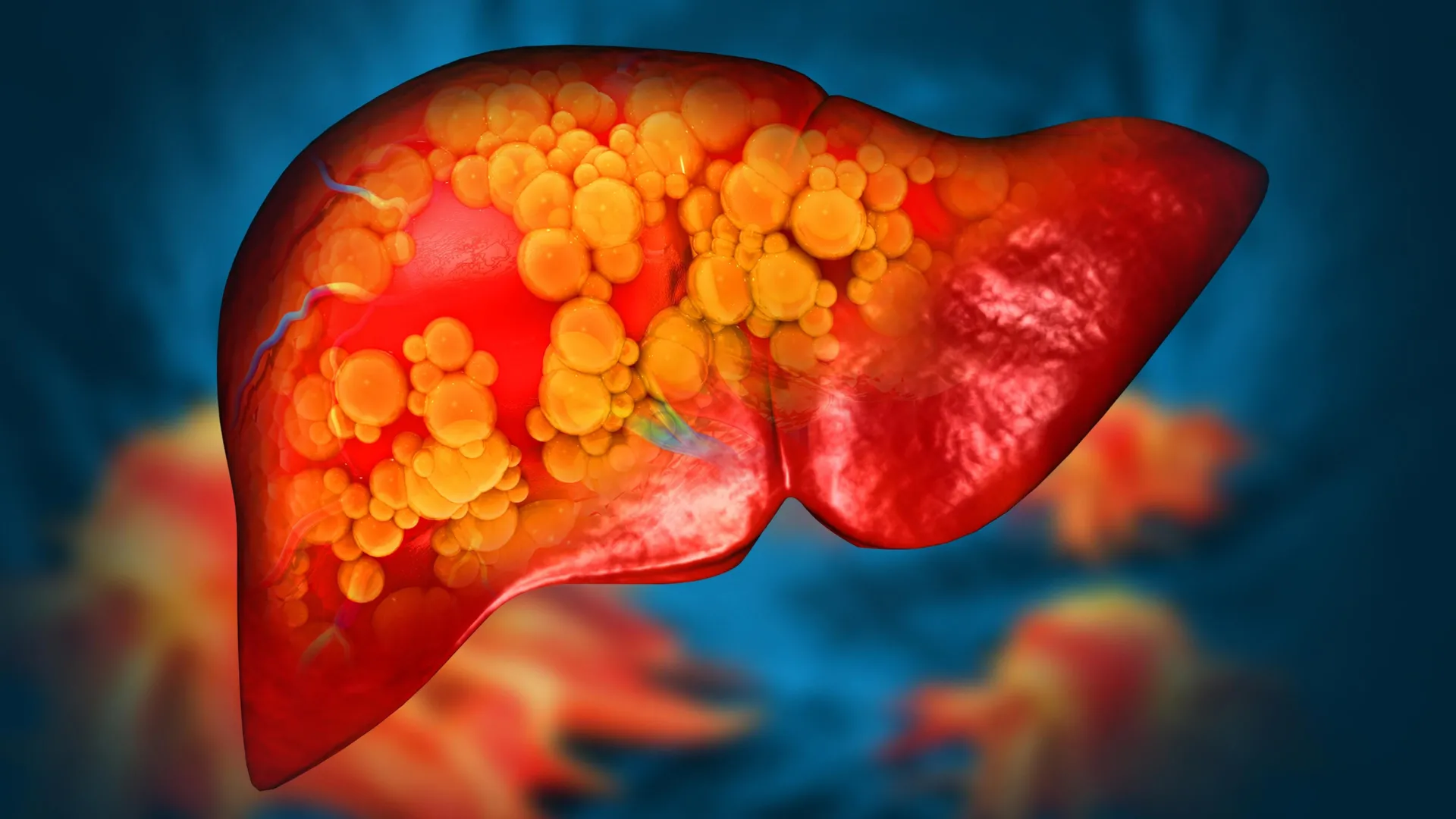
- The study linked alcohol consumption to increased mortality from breast, prostate, colon, rectal, stomach, pancreatic, liver, and head and neck cancers, broadening the impact well beyond liver cancer.
- Older men (55+) faced the sharpest toll, with their alcohol-related cancer mortality rate climbing nearly 24% over the 33-year period; among men, liver cancer had the strongest alcohol link, followed by esophageal and colorectal cancers.
- Among women aged 55 and older, breast cancer was the leading alcohol-linked cancer killer, followed by liver and colorectal cancers.
- Research cited by the study found elevated cancer risk at intake levels as low as 5–15 grams per day — roughly one standard US drink, defined by the CDC as 14 grams of pure alcohol.
- The International Agency for Research on Cancer classifies alcohol as a Group 1 carcinogen, placing it in the same category as tobacco smoke and asbestos.
- National Cancer Institute data show alcohol accounted for about 5% (~100,000) of the 1.8 million US cancer cases diagnosed in 2019 and roughly 4% (~25,000) of the ~600,000 cancer deaths that year.
- Former Surgeon General Vivek Murthy last year called alcohol the third-leading preventable cause of cancer in the US, behind tobacco and obesity, and urged cancer-risk warning labels on alcoholic beverages.
Why it matters: The doubling of alcohol-linked cancer deaths over three decades — hitting older men hardest, with breast cancer leading among older women — gives Murthy's stalled push for cancer warning labels on alcoholic beverages fresh urgency, since even the CDC's own definition of a single daily drink carries measurable risk.
Ask SkimNews