Solar buoyed Europe’s grid amid record-breaking heat and drought this summer — SkimNews
Get the Energy newsletter
Daily energy & climate — solar, EVs, oil, the policy fights and tech bets shaping the transition. Free.
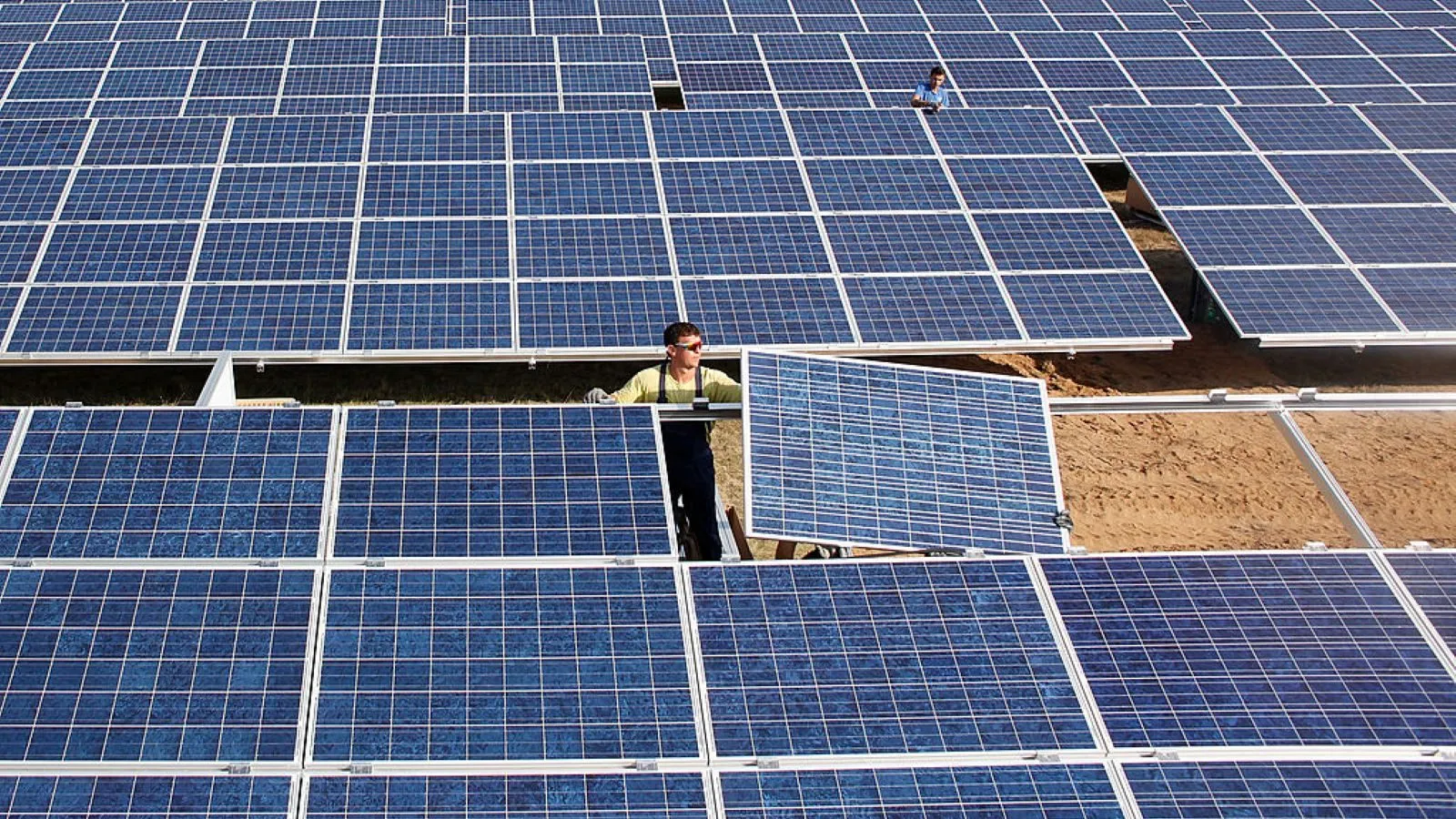
- Solar panels across Europe generated 17% more electricity than normal during this summer's heat waves, stabilizing grids as afternoon cooling demand spiked, according to energy think tank Ember.
- France lost 18% of its nuclear capacity in mid-July to 'environmental factors' as warm river water forced plants to curb cooling under a French law capping discharged-water temperatures to protect aquatic life.
- Five UK gas plants cut combined output by 2.5 gigawatts because heat impaired their cooling systems, while stagnant air halved typical wind farm generation in June, Ember data shows.
- Italy's power demand surged 28% in late June versus the prior week, and France's rose 14%, with evening electricity and natural gas prices hitting their highest levels since the 2022/2023 winter gas crisis.
- European hydropower output fell to its lowest July level in a decade; England and Wales logged their driest July on record, and record-low Danube waters exposed WWII shipwrecks and prehistoric relics.
- France's state-owned utility plans to spend over $10 billion over 15 years to adapt nuclear and hydropower plants for warmer temperatures and reduced water availability, including equipment to cool discharged water.
- Solar and battery installations in Europe reached 36 gigawatt-hours in 2025—a 48% year-over-year jump—with battery storage marking its 12th straight year of growth, per industry group SolarPower Europe.
Why it matters: France losing 18% of nuclear capacity mid-summer is a concrete supply-shock figure that underscores how climate change is now directly throttling the continent's largest low-carbon baseload source—forcing a $10 billion-plus retrofit tab and making battery storage, not just more panels, the next grid-critical investment. Evening price spikes reaching winter gas-crisis levels reveal that Europe's cooling-demand growth is outpacing its ability to time-shift solar generation.
Ask SkimNews