Europe's heatwave shuts nuclear, kills hundreds — SkimNews

Get the Energy newsletter
Daily energy & climate — solar, EVs, oil, the policy fights and tech bets shaping the transition. Free.
- UK June record shattered three days running — 36.0C at Wisley on Wednesday, 36.4C at Yeovilton on Thursday — with the Met Office warning it could fall again Friday.link ›
- Spain's MoMo system counted 327 heat-linked deaths between Sunday and Thursday, while France logged 55 drownings — two-thirds in unsupervised swimming areas — and an 18-month-old died of hyperthermia in a Marseille car.link ›
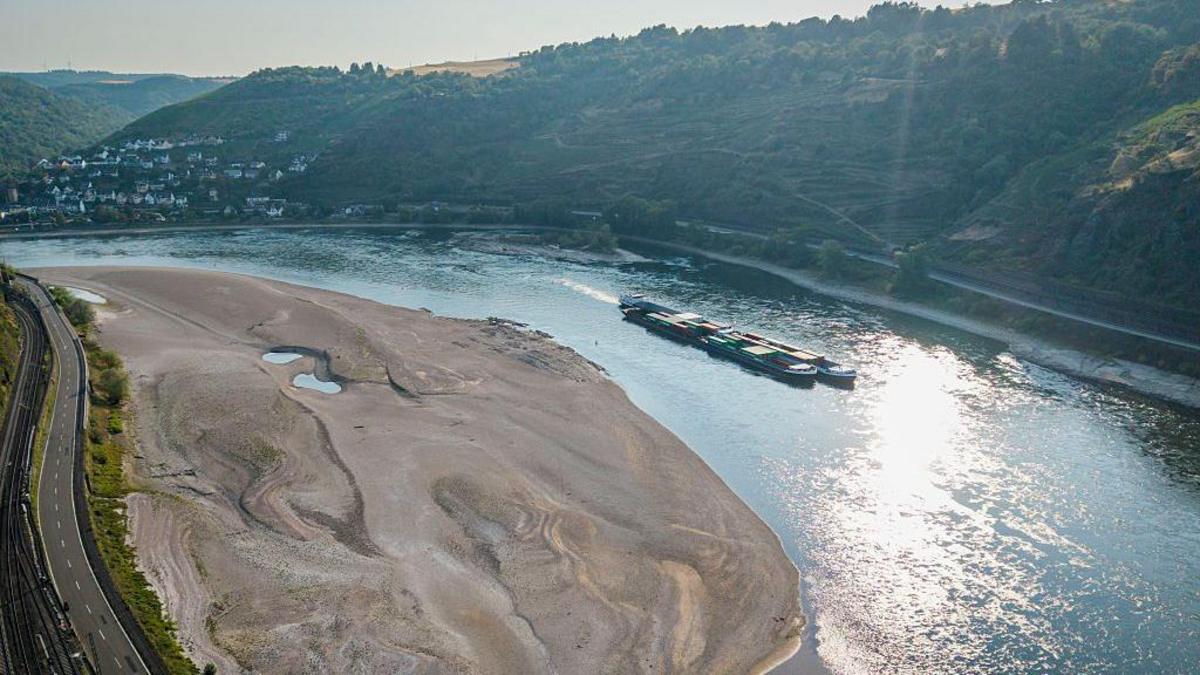
- France shut two nuclear reactors to avoid discharging overheated water into warming rivers; Switzerland's Beznau followed, taking both units offline once the River Aare hit 25°C.link ›
- London Ambulance fielded 642 Category 1 calls Wednesday — its highest single-day total — and English hospitals declared critical incidents as radiotherapy machines, MRI scanners, and IT systems failed.link ›
- Paris Pride, the Solidays festival, Hamburg's Half Marathon, and Dutch festival Defqon.1 all collapsed, were cancelled, or cut short under the heat; a forest fire near Barcelona pushed 16,000 residents indoors.link ›
- Tangier Island is losing 32 feet of land per year; population fell from 436 to about 250 in six years, and a 2015 Nature study projects the archipelago could be uninhabitable by 2065.link ›
- Transport & Environment projects that, if European cars keep growing 1.2cm longer per year, an extra 2,600 road users — including 79 children — will die annually by 2040.link ›
France's grid operator SCRAMmed two nuclear reactors on Thursday because the rivers were too warm to take the cooling discharge — and that single fact captures the week. Europe's most severe heatwave on record pushed 150 million people above 35°C, broke the UK's June record three days running (36.0C at Wisley, then 36.4C at Yeovilton), and killed at least 327 in Spain per the MoMo mortality system. Infrastructure failed in sequence: Switzerland's Beznau took both reactors offline, English hospitals declared critical incidents as MRI scanners and radiotherapy machines overheated, and Paris Pride got bumped to September. The continent is warming two to three times faster than the global average — and the grid is starting to notice.
The stories behind this week

UK Hits 36.4C June Record as Europe Heat Deaths MountThe heatwave is simultaneously straining public health systems, energy infrastructure, and education across at least eight countries, with 212 confirmed premature deaths in Spain alone in four days and UK hospitals declaring critical incidents as life-saving equipment fails. France's nuclear shutdowns highlight how warming rivers are directly constraining electricity generation, suggesting grid reliability in extreme heat is becoming a systemic vulnerability rather than an isolated risk.

Study: Indigenous stewardship drives land healthWith all 43 surveyed Indigenous communities already hit by drought and extreme weather and 61% facing extractive-industry incursions, the report argues that securing Indigenous land rights is both a climate imperative and a prerequisite for preserving the stewardship practices that store carbon on the planet's healthiest forests.
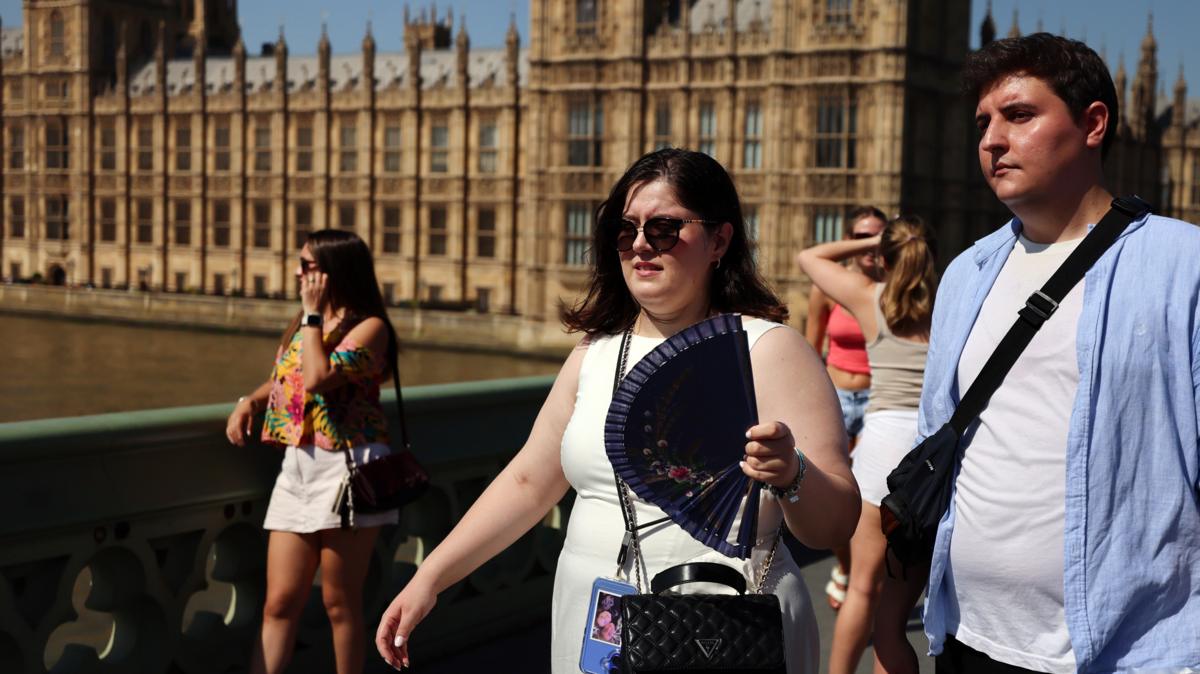
UK Records Hottest June Day at 36CThe red warning — only the second ever issued by the Met Office anywhere in the UK and the first ever for Wales — marks this as a nationally exceptional event, with tropical nights and humidity pushing perceived temperatures into the low 40s Celsius for millions across southern England, the Midlands, and Wales through the weekend.

Europe's Heatwave: Free Pools, Cinema Tickets, ChurchThe patchwork of responses — train cancellations, furlough reactivation, a 2024 Spanish worker-protection law being tested in real time, and exam halls migrating to churches — shows European governments treating a June heatwave as a labour and public-health emergency rather than a weather curiosity, with infrastructure built for milder summers now visibly straining under 40°C conditions.
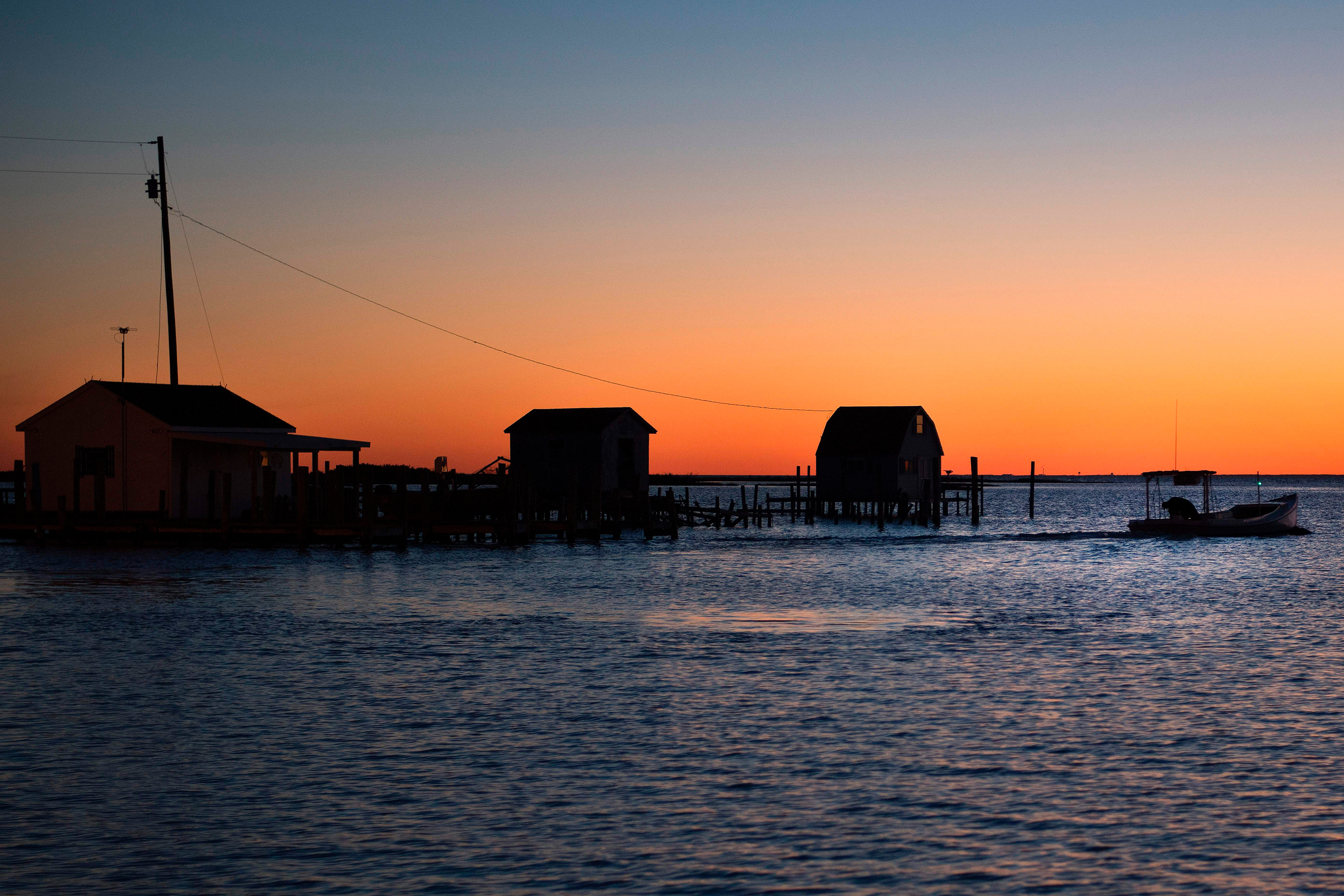
Tangier Island Losing 32 Feet of Land Per Year to Rising SeasTangier Island could become the first inhabited U.S. community displaced by climate change, with its 250 remaining residents — many elderly and tied to generations-old family burial sites — facing potential relocation well before the 2065 uninhabitability projection. Tens of millions in federal and nonprofit investment may only delay rather than prevent that outcome.

How European cities survive extreme heatOlder people are vastly overrepresented in heat death tolls, making the European strategies spotlighted — Paris's official check-in service, Barcelona's 400+ climate shelters within walking distance for 90% of vulnerable elderly, and Amsterdam's viral outdoor-curtain hack — scalable alternatives to the car-dependent mega-cooling-centers the US and Australia favor but many residents can't reach without a vehicle.
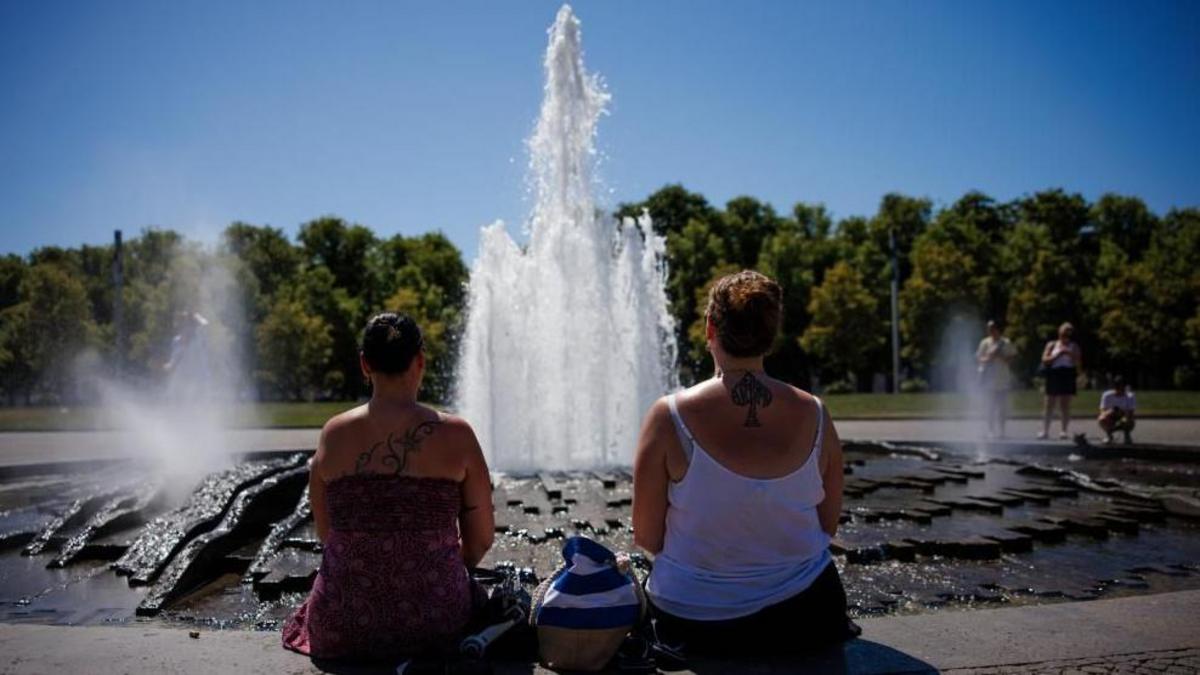
Europe Heatwave Breaks Records, Cancels FestivalsWith at least 150 million Europeans facing temperatures above 35°C and scientists calling it the most severe heatwave on record for the region, infrastructure from Swiss nuclear reactors to Paris hospitals is being adapted or overwhelmed — a real-time preview of how the continent's two-times-faster-than-average warming will reshape daily operations.

Study: Carspreading to Add 2,600 Extra Road Deaths byWith car dimensions climbing steadily for 25 years, T&E's 2,600 extra projected annual deaths — 79 of them children — and 100,000 parking spaces lost per major city represent a concrete, reversible cost that bonnet-height caps and size-based tax reforms could address before the 2040 baseline locks in.
Why it matters: Europe's nuclear fleet shedding capacity at the exact moment cooling demand peaks exposes a contradiction baked into a warming grid: the same fossil-fueled heating that drives the demand is degrading the supply.
Ask SkimNews