Regulators Reject Utility Gas Plant Push on Data Center Demand — SkimNews
Get the Energy newsletter
Daily energy & climate — solar, EVs, oil, the policy fights and tech bets shaping the transition. Free.
- Utilities are proposing 24 GW of new gas plant capacity in 2025—up 570% from 2023—citing projected data center demand, despite rising costs and slower development times for gas infrastructure.
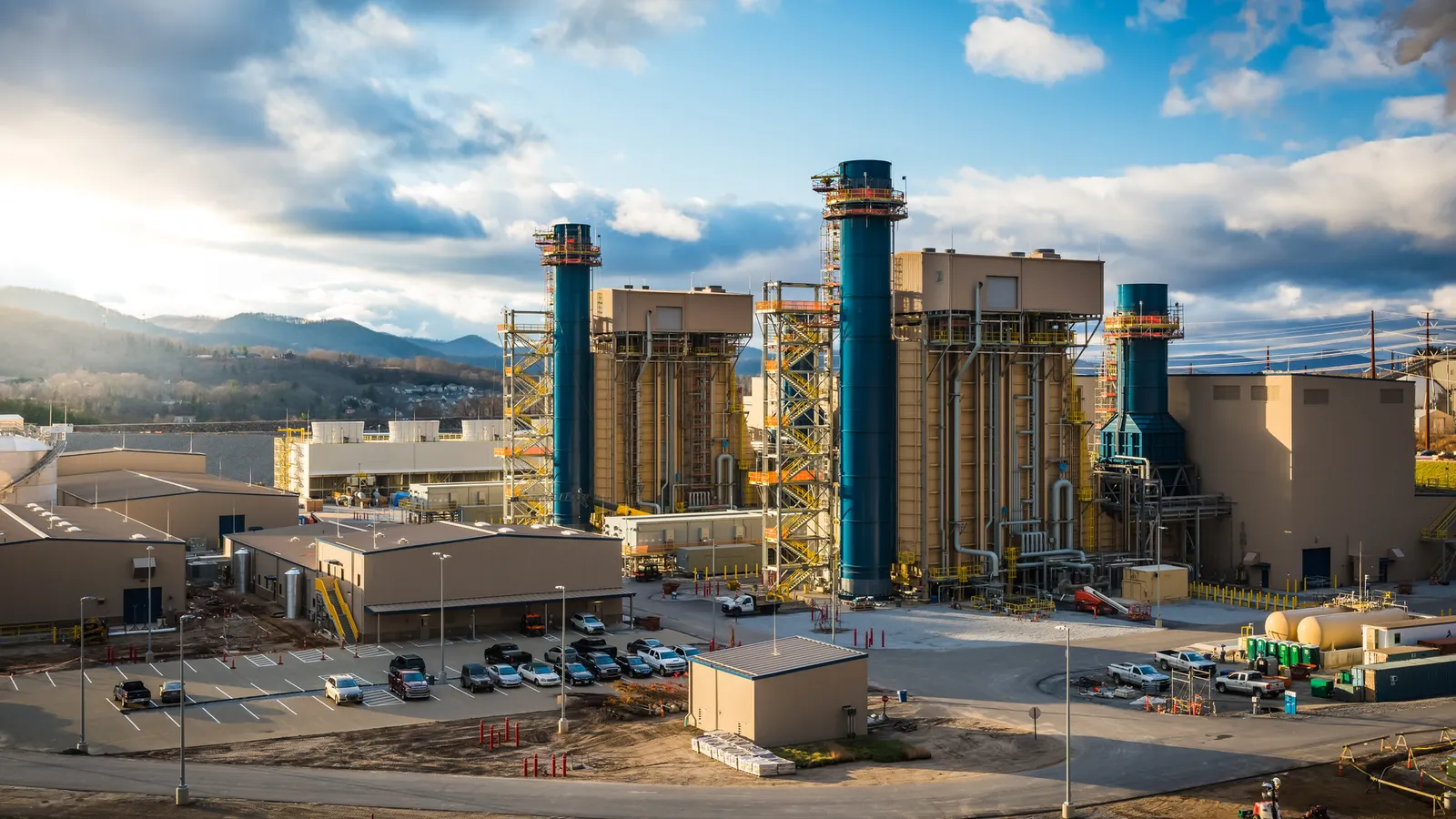
- Duke Energy sought approval for a $584 million gas turbine in North Carolina, but regulators rejected it, citing unreliable load projections and inadequate analysis of cheaper alternatives like batteries.
- Minnesota Power proposed significant new gas generation, but state regulators directed the utility to evaluate wind, solar, and storage options instead, aligning with the state’s carbon-free standard.
- Battery storage is now cheaper than gas peaker plants globally, and wind and solar have been less expensive than gas for nearly a decade in the U.S., undercutting utility justifications for fossil fuel builds.
- Utility profit models incentivize costly infrastructure spending, as shareholders earn returns on construction investments—guaranteeing profits even if projects exceed need or cost projections.
- Duke Energy was found to have artificially capped solar and energy storage in its modeling to justify new gas plants, revealing a pattern of suppressing cheaper, cleaner alternatives.
Why it matters: Ratepayers face decades of debt for gas plants that may never be needed, while utilities profit from construction—not energy sales. With clean energy now cheaper and faster to deploy, the financial and environmental cost of rubber-stamping fossil fuel projects has never been higher.
Ask SkimNews