India’s ‘balancing act’ risks eroding Russia’s trust — SkimNews

Get the Geopolitics newsletter
Daily geopolitics — wars, elections, sanctions, the diplomatic moves that move markets. Free.
- India endorsed the Bishkek Declaration at the SCO summit in Bishkek, Kyrgyzstan (Aug. 31–Sept. 1, 2026), which condemned attacks on Iran as violations of international law, affirmed Iran's sovereignty and territorial integrity and mourned Ayatollah Ali Khamenei's killing in U.S.-Israeli airstrikes on Feb. 28, 2026 — without naming Washington or Jerusalem, while Iran drew more attention and support from both blocs than anticipated.
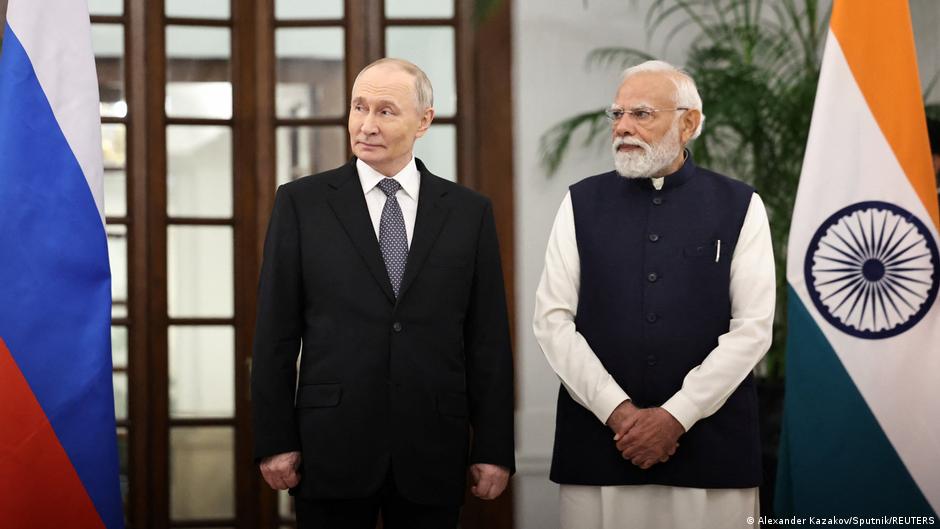
- Vladimir Putin became the target of an unusually blunt public appeal from Modi at the Sept. 12–13, 2026 BRICS summit in New Delhi to end the "endless war" in Ukraine — a message that could have been sent privately, and one the author reads as a counter-signal to Washington.
- BRICS produced a Delhi Declaration in which India signed on to strong criticism of Israel and strong affirmation of Palestinian rights and the two-state solution, a sharper posture than New Delhi's earlier stance of backing UN ceasefire resolutions while declaring it stands with Israel.
- Pakistan gained diplomatic prominence after Washington picked Islamabad as mediator in the Iran conflict and Gulf states sought defence agreements with it, leaving India — scarred by Operation Sindoor (2025) — needing a high-profile BRICS presidency with Putin and Xi in attendance.
- Xi Jinping met Modi on the sidelines of the New Delhi BRICS summit, ahead of his G2 summit with Donald Trump in Washington in September 2026, yet neither the SCO nor the BRICS declaration mentioned Ukraine at all.
- Russia still needs India, at least for now, as a major purchaser of its oil and military equipment, but New Delhi has steadily reduced dependence on Russian arms by turning increasingly to France, Israel and the U.S., leaving the relationship increasingly transactional as Moscow leans toward China as its "trusted partner."
- Narendra Modi repeated what the author calls "jumla" performative diplomacy at Russia's expense: at Samarkand on Sept. 16, 2022 he told Putin "today's era is not an era of war," echoed by Jaishankar in Western capitals to show discounted Russian oil purchases did not signal support for the invasion — yet he has used no comparable language toward Netanyahu or Trump.
Why it matters: India is Russia's major buyer of oil and military equipment, yet New Delhi has already shifted arms purchases toward France, Israel and the U.S. Modi publicly pressuring Putin in 2026, alongside two declarations that never mention Ukraine, leaves the friendship narrower and more transactional as Moscow turns to China as its "trusted partner."
Ask SkimNews