Auditory Precision Predicts Language Learning Speed — SkimNews

Get the Health newsletter
Daily health & science — research, biotech, public health, the studies worth knowing. Free.
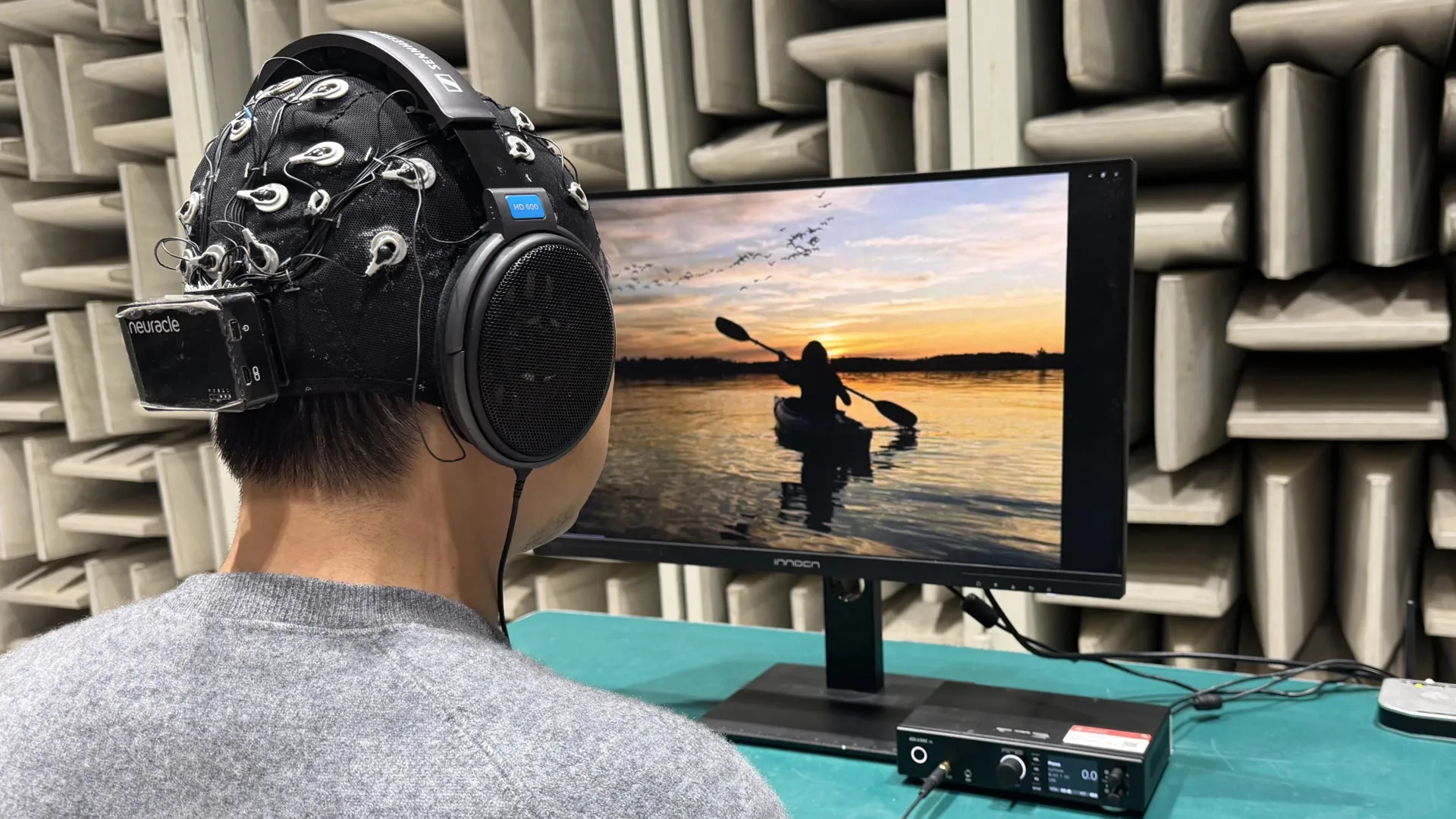
- UCL and Tohoku University researchers tested 67 Japanese learners of English, measuring their ability to detect subtle changes in pitch, length, and tone in non-speech sounds while tracking brain activity via fMRI.
- Learners with higher auditory precision mastered foreign pronunciation faster and more accurately, with brain activity patterns that resembled non-speech sound processing rather than native-language interference.
- Learners with lower auditory precision relied more heavily on the brain's left sensorimotor network, defaulting to their native language's pronunciation patterns when handling unfamiliar sounds.
- Lead author Prof Kazuya Saito-van Poeteren of UCL rejected the stereotype that British people are biologically bad at languages, blaming insufficient exposure and teaching methods that fail to develop auditory skills.
- Prof Padraic Monaghan of Lancaster University said the findings confirm how vital listening is to learning, noting that learners vary in sound sensitivity particularly in the early stages of hearing a new language.
- The researchers recommend foreign language education shift away from a 'more practice' model toward one that develops learners' auditory skills in line with their individual auditory characteristics.
Why it matters: With 67 Japanese English-learners tested, the study suggests schools teaching modern languages should prioritize ear training over grammar drills, since auditory precision predicted pronunciation mastery speed more reliably than exposure hours. The findings also directly refute the persistent claim that British learners are biologically disadvantaged at languages, reframing the problem as one of teaching methodology and exposure quality rather than innate ability.
Ask SkimNews