Better Listeners Learn Languages Faster, Study Finds — SkimNews
Get the Health newsletter
Daily health & science — research, biotech, public health, the studies worth knowing. Free.
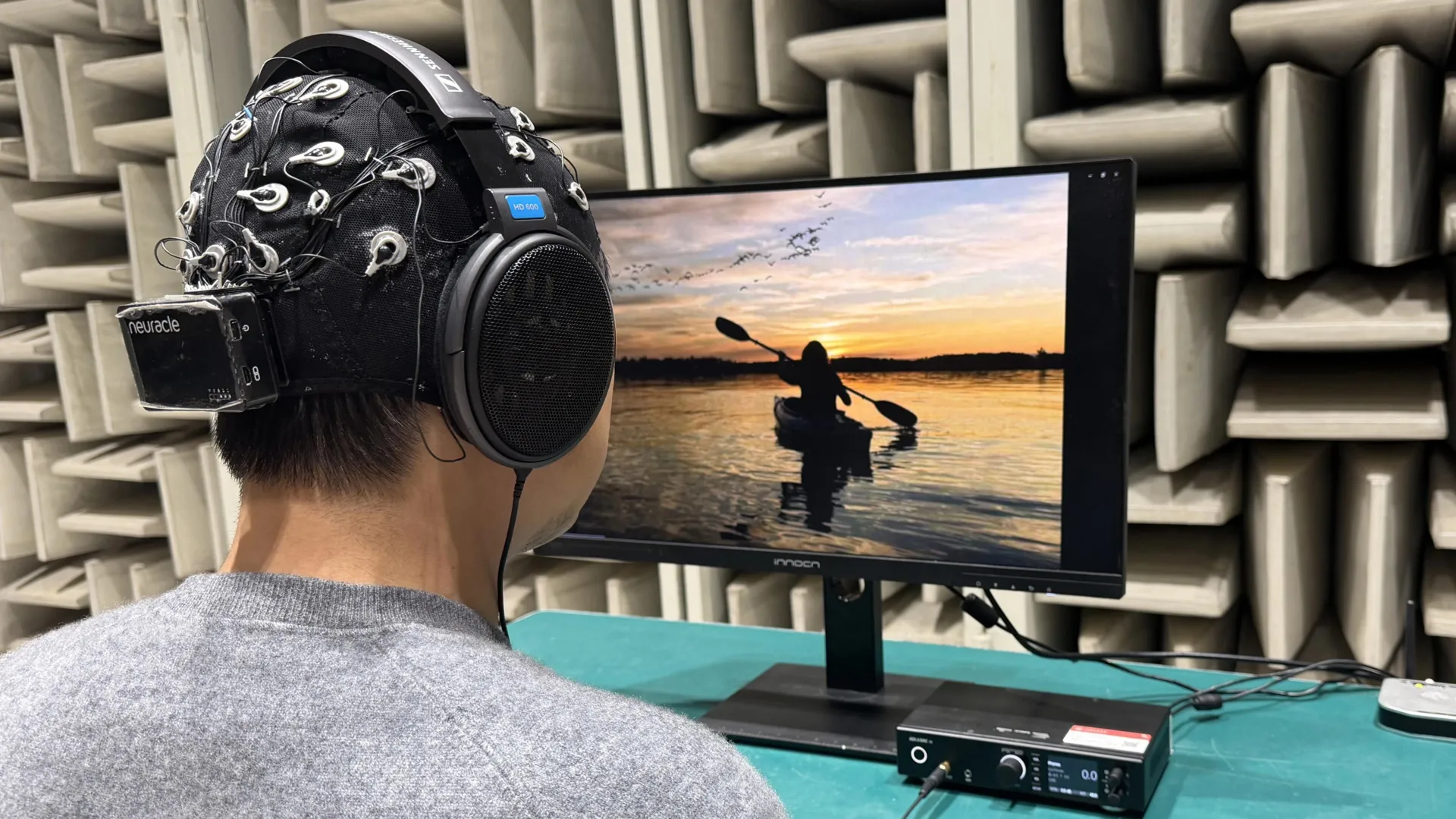
- UCL and Tohoku University researchers studied 67 Japanese learners of English using functional MRI scans, measuring brain activity as participants distinguished English vowel sounds absent in Japanese.
- Learners with higher auditory precision mastered foreign pronunciation faster and more accurately, relying less on the brain's left sensorimotor system and processing foreign sounds similarly to non-speech sounds.
- Learners with lower auditory precision relied more heavily on the left sensorimotor network and applied their native language's pronunciation patterns when processing unfamiliar foreign sounds.
- Lead author Prof Kazuya Saito-van Poeteren challenged the stereotype that Britons are biologically bad at languages, attributing poor outcomes instead to limited meaningful exposure and teaching methods that fail to train auditory skills.
- Saito-van Poeteren argued foreign language education should shift from a 'more practice' approach toward developing learners' auditory precision.
- Prof Padraic Monaghan of Lancaster University responded that traditional structured-practice learning is less aligned with how brains naturally acquire languages through exposure, and that sound sensitivity varies among learners in early stages.
Why it matters: Current language teaching emphasizes 'more practice' of grammar and vocabulary, but the study identifies auditory precision as the differentiator between fast and slow learners. For schools—and especially British learners stereotyped as linguistically hopeless—the finding means ear-training could unlock faster acquisition than the usual vocab-and-grammar drill.
Ask SkimNews