California Now Sets America's Car Emissions Rules — SkimNews
Get the Energy newsletter
Daily energy & climate — solar, EVs, oil, the policy fights and tech bets shaping the transition. Free.
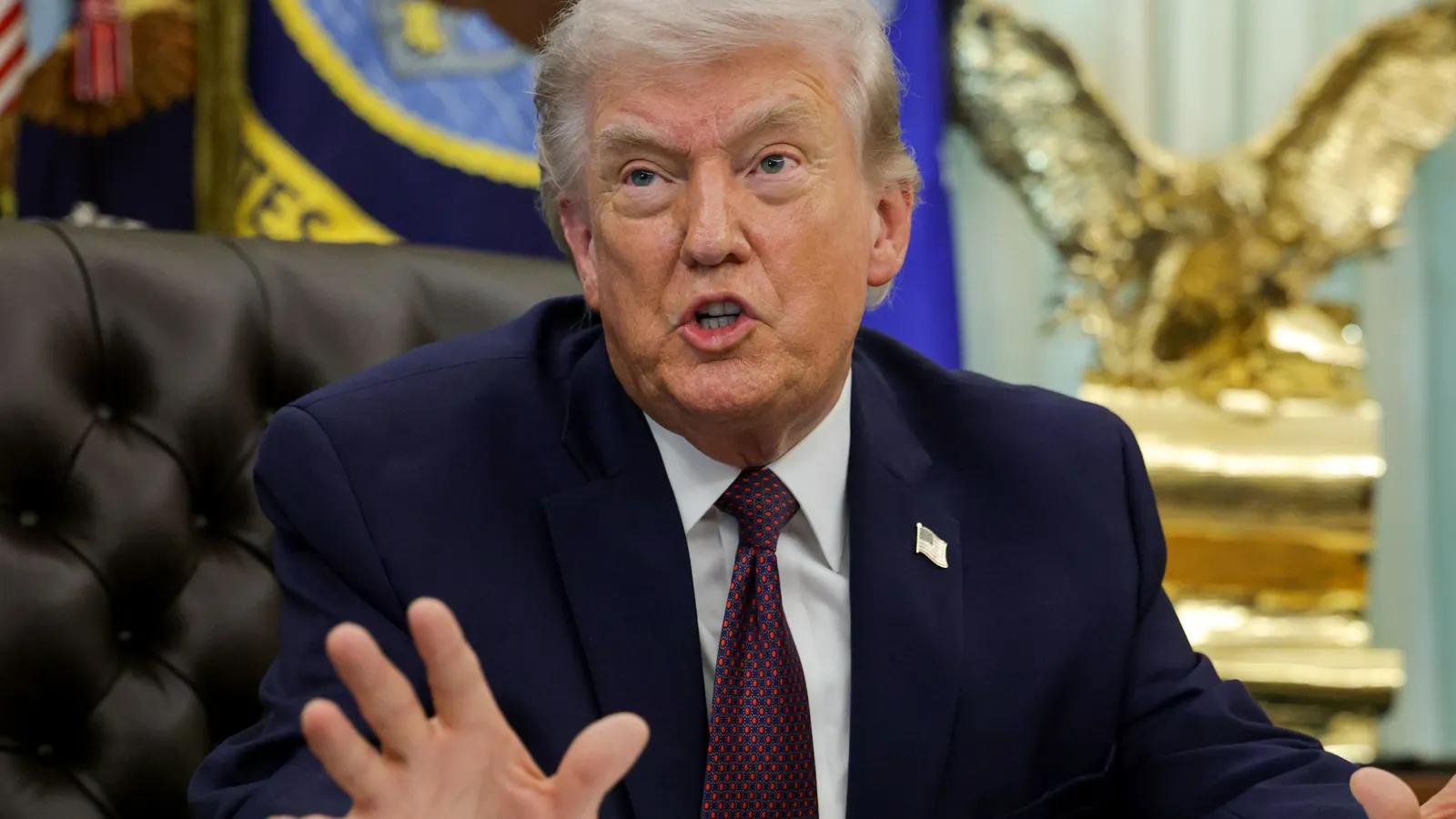
- Trump administration announced a final rule Monday easing federal fuel-efficiency requirements, though Congress had already stripped the penalties for noncompliance, leaving the federal government with virtually no meaningful car-emissions policy.
- California remains the de facto national regulator because 19 states plus D.C. (40% of 2022 new car sales) have adopted its standards, and most automakers prefer building to California's rules nationwide rather than splitting production lines.
- Congress used a potentially unprecedented maneuver to block California's 2035 gas-car phase-out — a move the GAO and Senate parliamentarian declared illegal — and a federal judge blocked Congress's follow-up attempt to overturn California's prior emissions standards in early September.
- California Attorney General Rob Bonta filed suit against the administration, calling it "a thinly veiled attempt by the president to retaliate against California for choosing progress over regression."
- A separate lawsuit challenges California's underlying authority to regulate greenhouse gas emissions at all, a question the Supreme Court has never decided and that could reach the current conservative bench, per Eno Center's Rebecca Higgins.
- Market forces are partially filling the gap: hybrids hit a record 16% of passenger vehicle sales by summer 2026, aided by gasoline price spikes tied to the war on Iran, and GM president Mark Reuss said the automaker is "in for the long haul" on EV platforms.
Why it matters: Cars account for roughly 16% of U.S. greenhouse gas emissions, and the federal government has now effectively ceded the primary regulatory lever to a single state — one whose underlying authority is itself under legal attack. If the Supreme Court takes the separate case challenging California's right to regulate GHGs, automakers face the prospect of losing their last enforceable emissions floor, just as hybrids and EVs are gaining real market traction on their own.
Ask SkimNews