Trump Claims Direct Iran Talks; Tehran Denies — SkimNews

Get the Geopolitics newsletter
Daily geopolitics — wars, elections, sanctions, the diplomatic moves that move markets. Free.
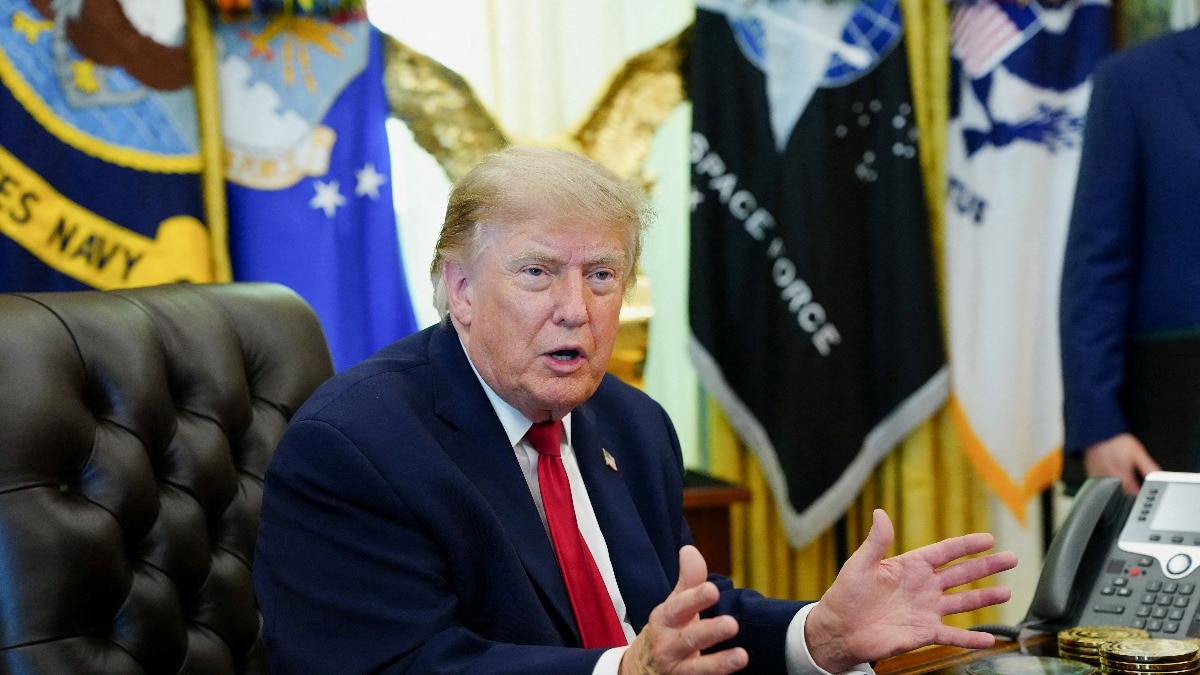
- Donald Trump told reporters Wednesday the US is "hopefully toward the end" of its war with Iran and claimed direct contact with Tehran, though Iran has not confirmed any new direct negotiations have resumed.
- Mohsen Rezaei, secretary of Iran's Supreme National Security Council, accused Trump of sending "mixed signals" and said "no talks until Iran's conditions are met," just a day before Trump's direct-contact claim.
- Former Iranian diplomat Abbas Khameyar dismissed Trump's claim that Iranians are "calling, pleading and asking for a meeting," saying Iran's diplomatic activity remains focused on enforcing the existing MoU rather than opening new negotiations.
- Iranian Foreign Minister Abbas Araghchi held a phone call with Pakistani army chief Field Marshal Asim Munir while in Beijing, where Chinese Foreign Minister Wang Yi urged both sides to "reopen the Strait of Hormuz at an early date."
- The Pakistan-brokered MoU that collapsed last month was meant to kick-start a 60-day peace talks period and included provisions for reopening the Strait of Hormuz, through which a fifth of global oil and gas passes and which Iran has effectively closed.
- Houthi representatives met US officials at the US embassy in Muscat over the weekend and pledged not to attack American, Israeli, or other commercial vessels — with the explicit exception of Saudi ships, according to Reuters sources.
- Oil prices crossed $100 per barrel last week and continue to rise as Iran-linked Houthis have damaged Saudi oil installations amid renewed fighting in Yemen.
Why it matters: Trump's claim of direct contact contradicts Iran's public posture that talks require preconditions, meaning the only diplomatic framework in play remains the collapsed June MoU that both sides accuse the other of violating. With a fifth of global oil and gas routed through the Strait of Hormuz and prices above $100/barrel, the gap between presidential optimism and Tehran's denial leaves global energy supply exposed to further escalation.
Ask SkimNews