AI Surveillance at India Youth Protest Faces Court Test — SkimNews
Get the Geopolitics newsletter
Daily geopolitics — wars, elections, sanctions, the diplomatic moves that move markets. Free.
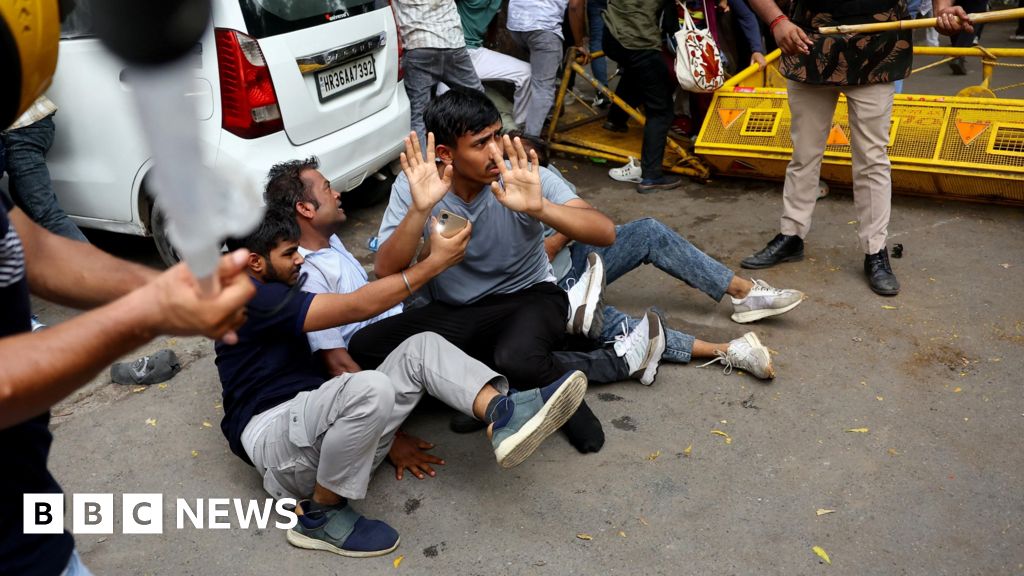
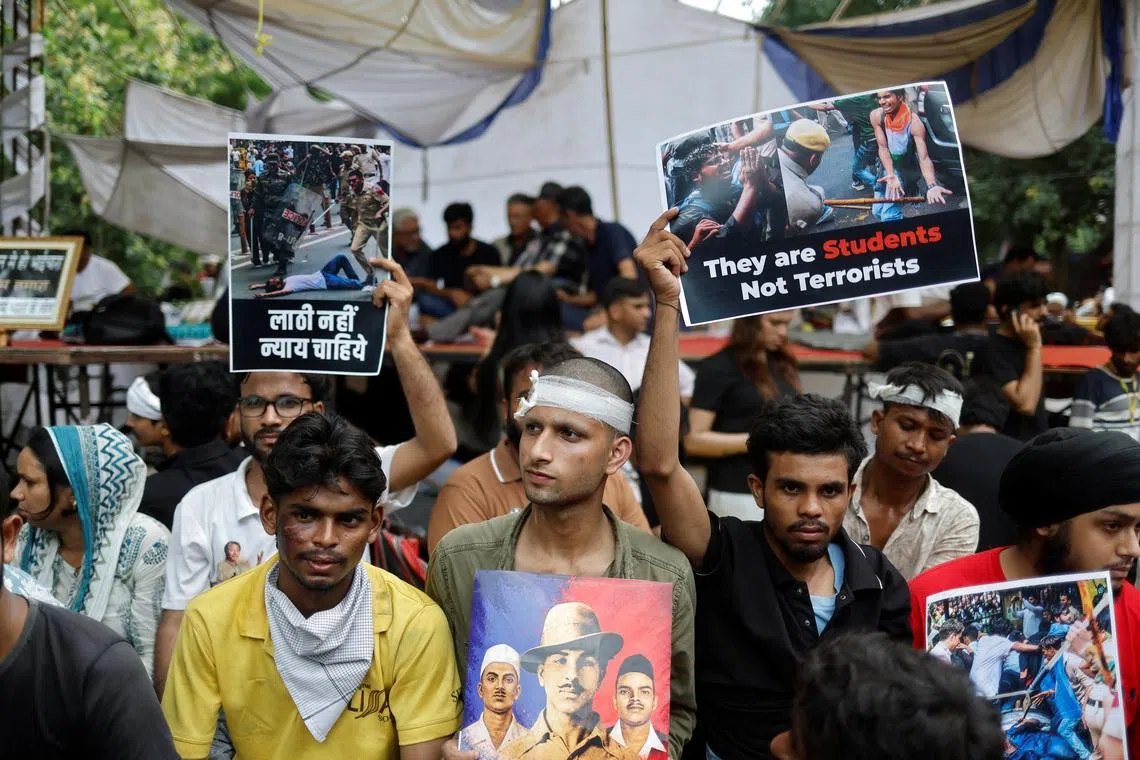
- Student activist Aishe Ghosh filed a Delhi High Court petition seeking to declare mass surveillance at the NEET exam-leak youth protest unconstitutional and demanding destruction of all personal data collected, pressing the case even after Education Minister Dharmendra Pradhan resigned.
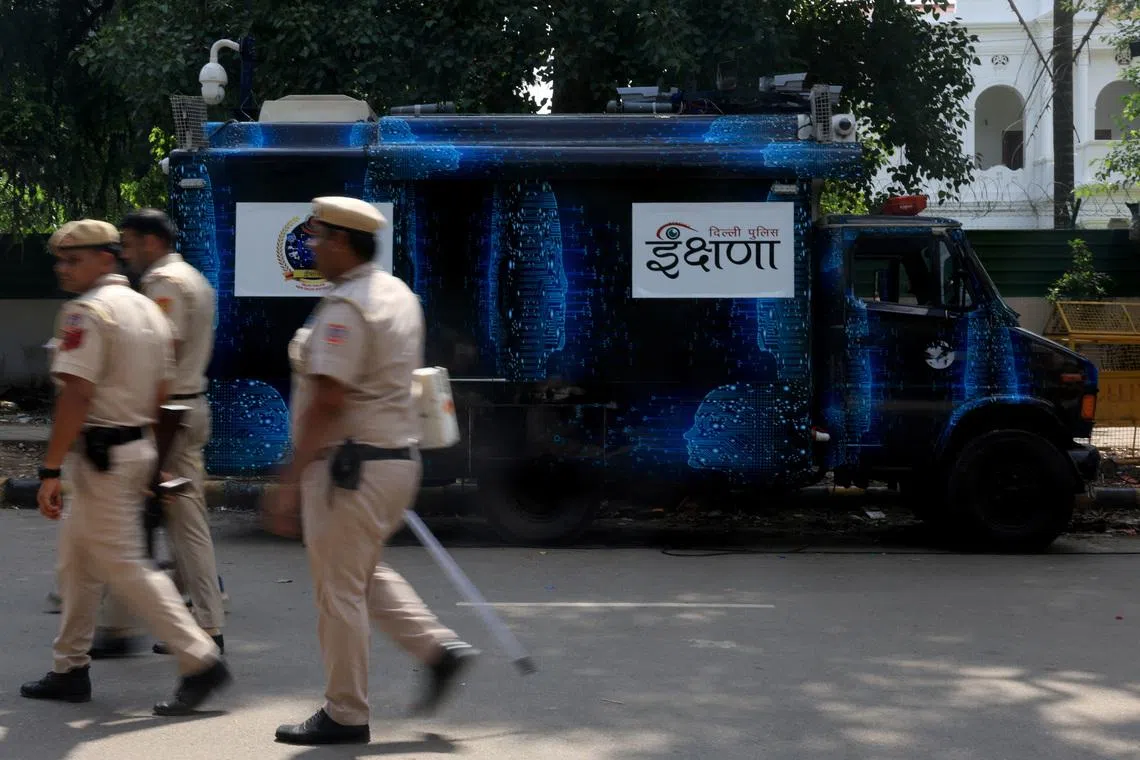
- Delhi Police's "Ikshana" surveillance van was equipped with AI-powered cameras on a telescopic mast providing 360-degree coverage, developed with Indian CCTV company CP Plus, which removed its 2023 promotional post describing the system at the weekend.
- Internet Freedom Foundation wrote to Delhi's police commissioner on July 24 demanding deletion of biometric data, arguing India has no law governing police use of facial recognition technology and that the deployment was therefore illegal.
- Solicitor General Tushar Mehta defended the surveillance before the Delhi High Court as "absolutely necessary" and in "legitimate state interest," calling privacy claims at a public gathering "ironical."
- Police also recorded Instagram handles of arriving protesters and used AI to count the crowd, with a Reuters reporter observing his own face displayed on a van screen with a "face accuracy" match metric before an officer shut the window.
- The NEET exam paper-leak protest marked a rare setback for Prime Minister Modi's government, which responded by announcing a panel to overhaul the cheating-prone exam system after Pradhan's resignation.
Why it matters: The litigation directly tests whether India can deploy AI-powered facial recognition at protests absent any governing statute — a question the source notes has never been settled in court. CP Plus has already scrubbed its promotional materials, and Delhi Police are simultaneously defending the system as lawful, meaning the ruling will draw a concrete legal boundary around biometric surveillance at public gatherings that extends beyond this single protest.
Ask SkimNews