Pomegranate compound boosts heart function 80% in study — SkimNews
Get the Health newsletter
Daily health & science — research, biotech, public health, the studies worth knowing. Free.
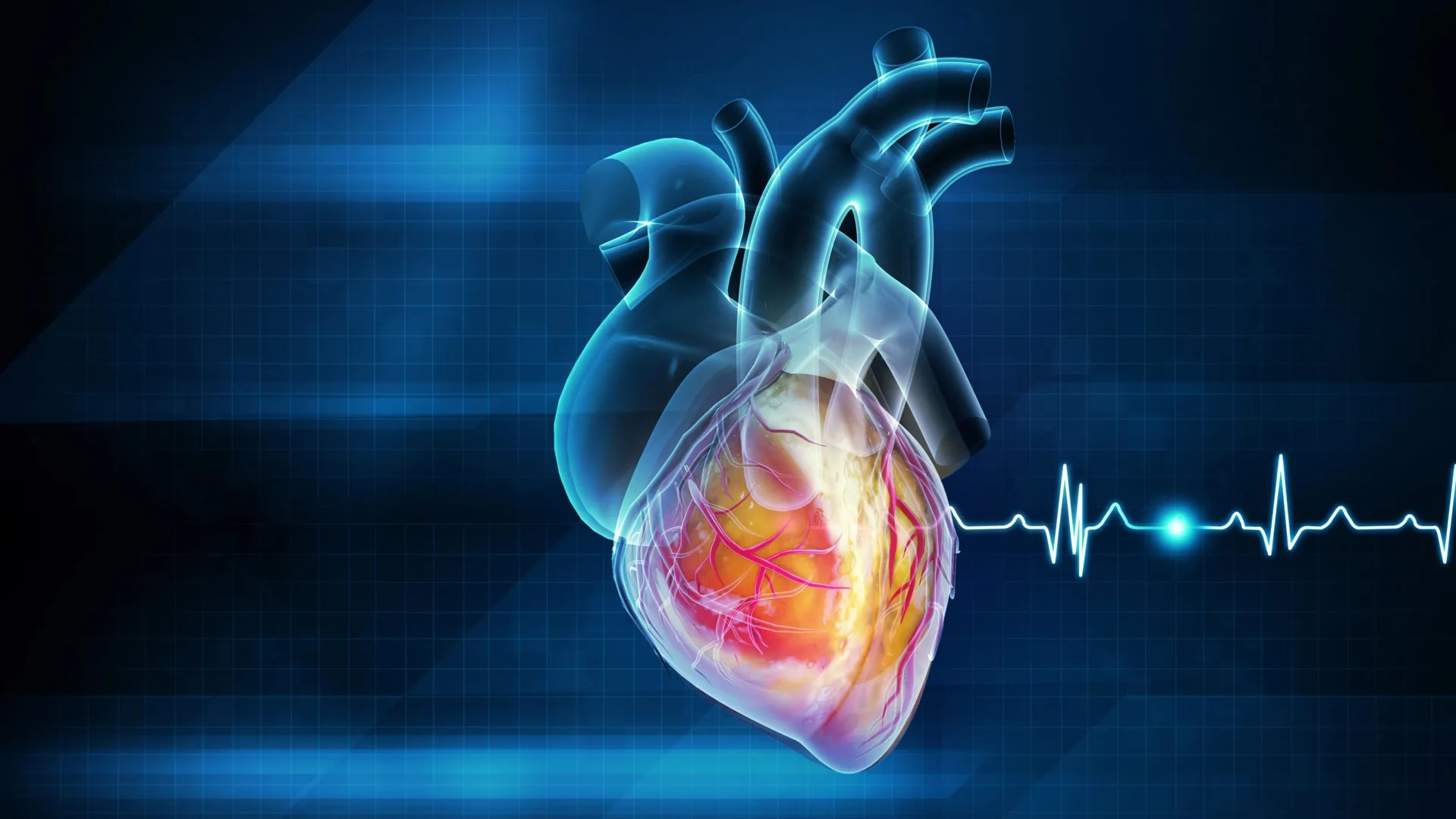
- King's College London researchers found urolithin A improved measures of heart function by up to 80% in animal models of heart failure with preserved ejection fraction (HFpEF), a condition affecting roughly half a million people in the UK.
- Urolithin A activates a protein called PKG1α by targeting a specific amino acid on it, triggering a cardiovascular benefit pathway — a mechanism identified for the first time in this study.
- In lab experiments, the compound helped stiff heart tissue relax more effectively, reduced fibrosis (harmful scarring), and limited enlargement of heart muscle cells compared to untreated controls.
- The team also tested the compound in engineered human heart tissue grown from stem cells, where it significantly improved tissue relaxation, suggesting the animal findings could translate to humans.
- Unlike many experimental heart drugs, urolithin A has already been evaluated in human studies and has a favorable safety profile, potentially shortening the path to clinical trials.
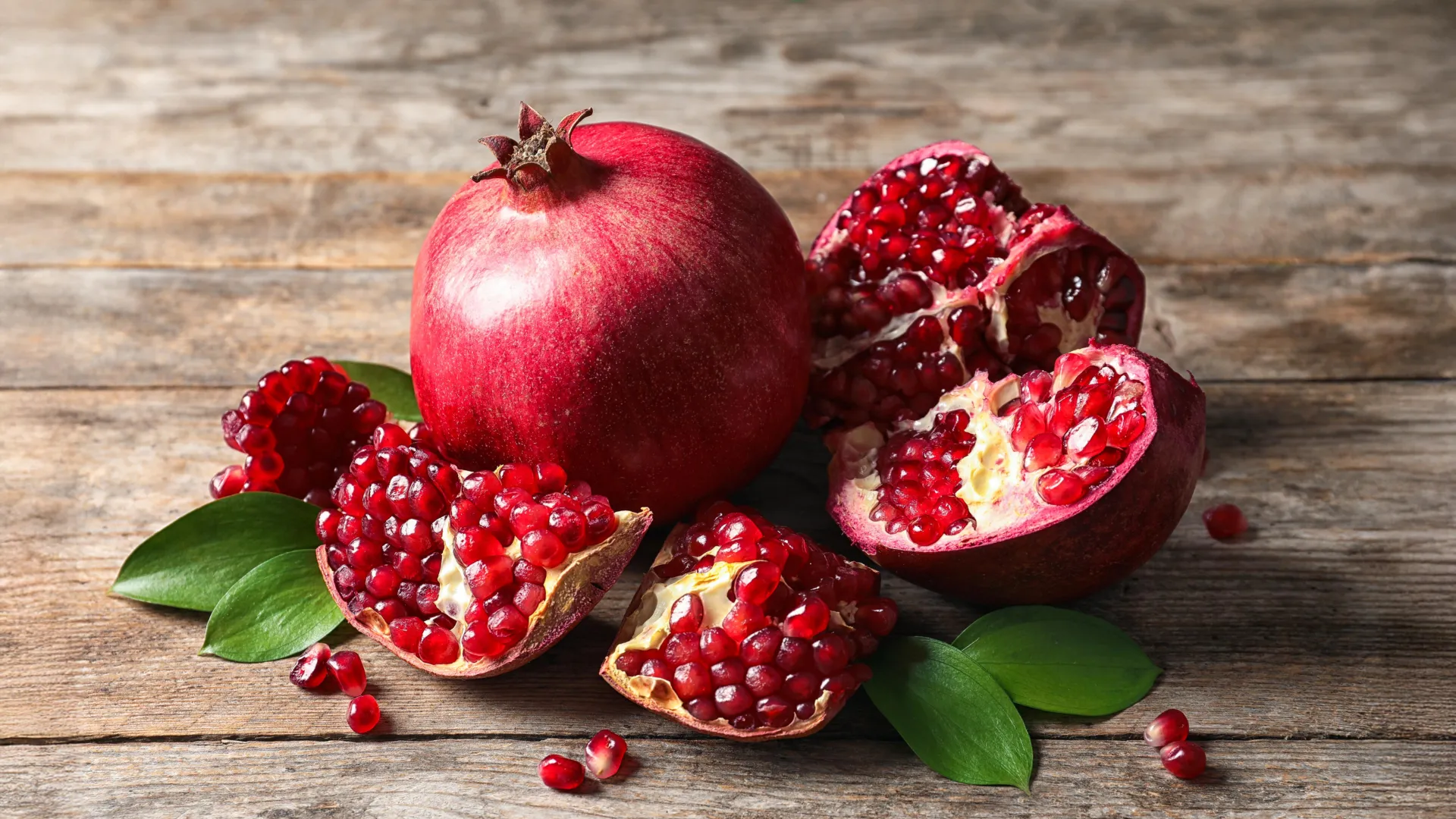
- The study was published in Science Advances and funded by the British Heart Foundation; clinical trials in patients are still needed, and researchers caution that eating pomegranates alone is not enough to treat heart failure.
Why it matters: HFpEF accounts for roughly half of all heart failure cases and has limited treatment options because the heart pumps normally but stiffens and cannot fill properly. With aging populations and rising obesity and diabetes driving more cases, a compound with established human safety that activates a newly identified PKG1α pathway gives researchers both a concrete drug target and a head start past early-stage safety testing for an unmet cardiovascular need.
Ask SkimNews