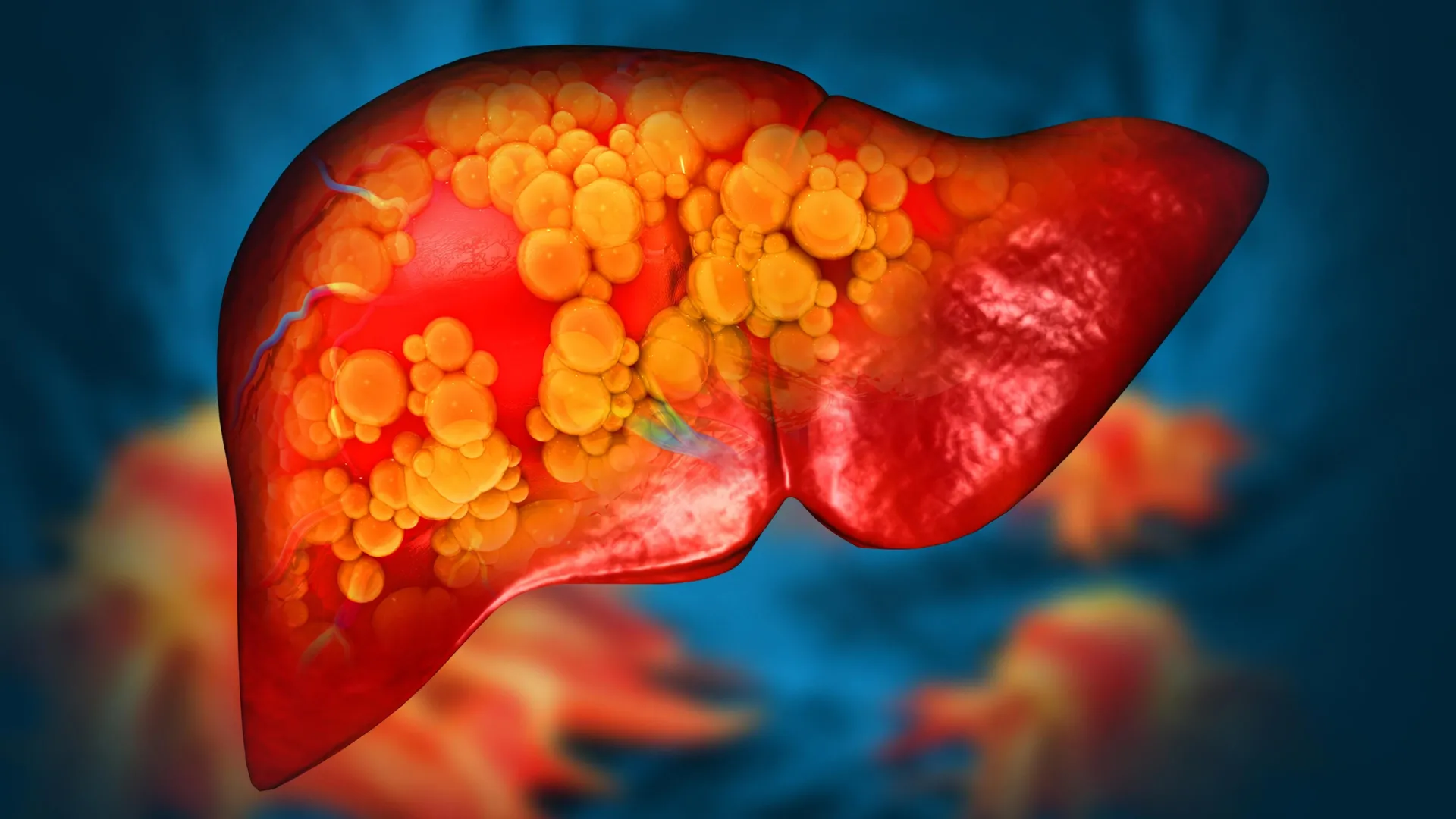
MASLD to affect 1.8 billion by 2050, Lancet study finds — SkimNews

Get the Health newsletter
Daily health & science — research, biotech, public health, the studies worth knowing. Free.
- MASLD is projected to affect 1.8 billion people by 2050, up 42% from 1.3 billion in 2023 and nearly quadruple the ~500 million cases in 1990, according to the GBD study published in Lancet Gastroenterology & Hepatology.
- High blood sugar was the leading global driver of MASLD-related health problems, followed by high BMI and smoking, underscoring the condition's tight links to type 2 diabetes and obesity.
- MASLD prevalence was higher in men than women and peaked in adults aged 80–84, but the largest absolute case counts were in younger groups — men aged 35–39 and women aged 55–59 — signaling earlier disease onset.
- North Africa and the Middle East carried disproportionately high MASLD rates, while western Europe saw the UK's prevalence climb 33% from 1990 to 2023 — the steepest rise in the region, per the Guardian's analysis of the data.
- The Institute for Health Metrics and Evaluation at the University of Washington led the study, finding that despite surging case counts, overall health burden measured in years lost to illness or death remained stable, suggesting treatment advances are blunting severity.
- The condition is often asymptomatic, usually discovered incidentally, and is typically managed with lifestyle changes — but the authors warn the growing caseload puts more people at risk of future cirrhosis and liver cancer.
Why it matters: With one in six people already affected and prevalence rising fastest among adults in their 30s and 50s, health systems face a ballooning pool of patients at risk of cirrhosis and liver cancer, even as the study's authors note that stable years-of-life-lost figures suggest current treatments are blunting severity — making early screening and obesity/diabetes policy more urgent, not less.
Ask SkimNews