Papua's Last Tropical Glaciers Vanishing Within Two Years — SkimNews

Get the Energy newsletter
Daily energy & climate — solar, EVs, oil, the policy fights and tech bets shaping the transition. Free.
- Puncak Jaya's glacier cover has collapsed from roughly 1,900 hectares in the 19th century to about 16 hectares today, with the remaining ice expected to entirely disappear within a year or two.
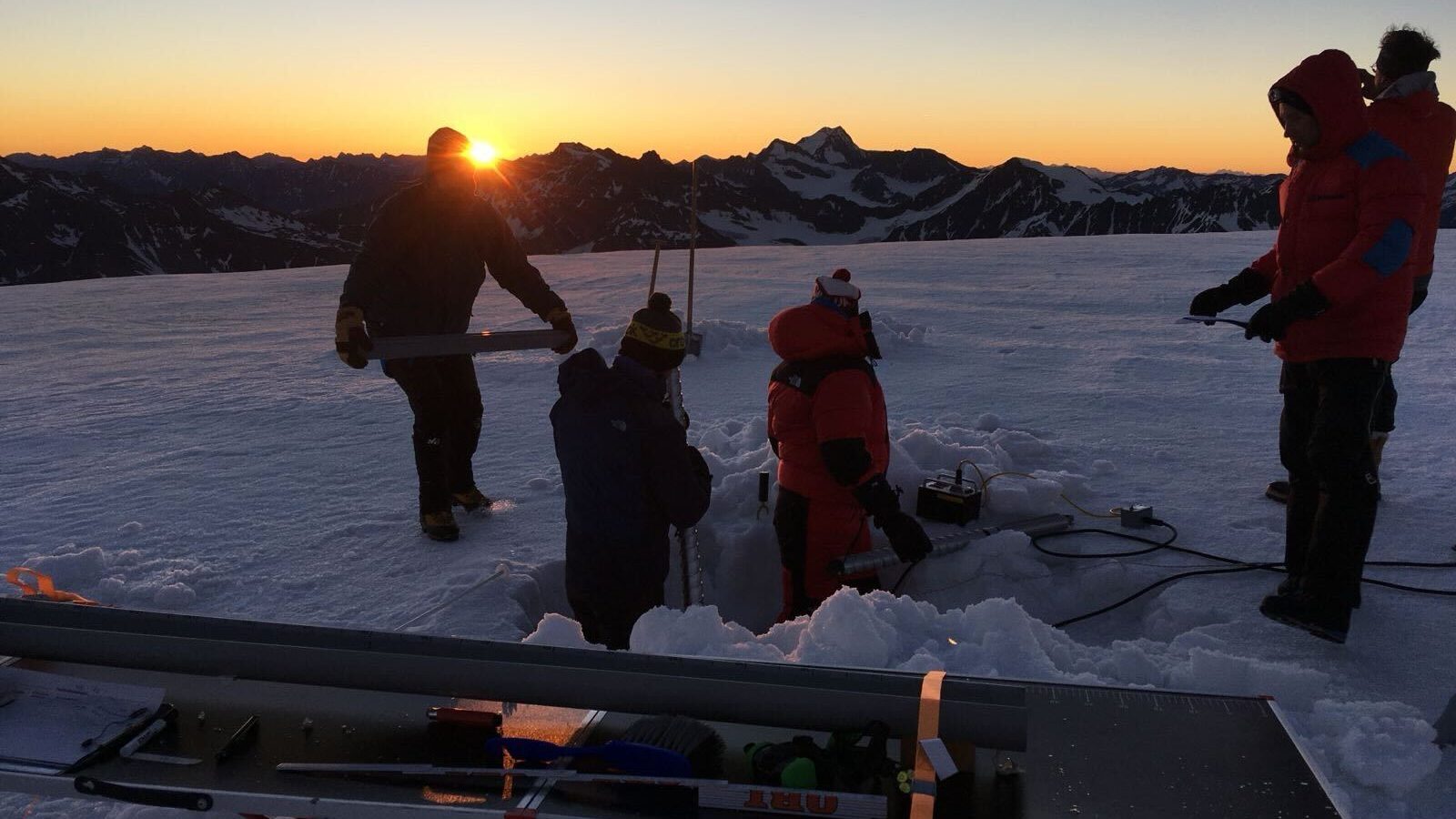
- Klaus Thymann's research team found that the glaciated area around Puncak Jaya receded by 95% from the early 2000s to 2025, documenting the remains via drones and 3D mapping.
- Papua hosts the last remaining tropical ice between the Andes and the Himalayas — ice cores from its slopes preserve atmospheric records of the tropical Pacific and Western Pacific Warm Pool, but that archive is vanishing before scientists can fully study it.
- Five Indigenous groups hold deep spiritual ties to the peak: the Moni call it Mbainggela and the Amungme call the range Nemangkawi, the "White Arrow" symbolising honesty and moral integrity — Amungme activist Adolfina Kum compared the glacier's loss to Muslims losing Mecca or Catholics losing the Vatican.
- Freeport's Grasberg mine, one of the world's largest gold and copper operations, has reshaped the surrounding landscape through a century of extraction, with Papuans describing both economic opportunity and the loss of ancestral lands.
- Czech glacier ecologist Marie Šabacká traveled to Puncak Jaya in March 2025 to study the ice, calling the loss "a profound unfairness" since Papua's tropical glaciers are isolated from other glacier systems by thousands of kilometres.
- Human-caused warming, compounded by El Niño events and a rising freezing line that converts snowfall to rainfall even at equatorial latitudes, is driving the melt — a pattern that "removes both a biological habitat and part of a culturally significant landscape."
Why it matters: The disappearance ends both a unique scientific archive — ice cores recording tropical Pacific climate — and the spiritual centre for at least five Indigenous Papuans, and it lands on a landscape already scarred by a century of copper-and-gold extraction at Grasberg, compounding cultural and environmental loss on the same sacred peaks.
Ask SkimNews