Junk‑Food Videos Reduce Snack Consumption in Dieters — SkimNews

Get the Health newsletter
Daily health & science — research, biotech, public health, the studies worth knowing. Free.
- University of Bristol researchers conducted three experiments with 840 participants aged 19‑77, combining online surveys and a lab study, to test visual food content as a self‑regulation tool.
- Dieters spent 30% longer viewing indulgent high‑calorie chocolate videos than non‑dieters, yet later ate significantly less real chocolate when given access.
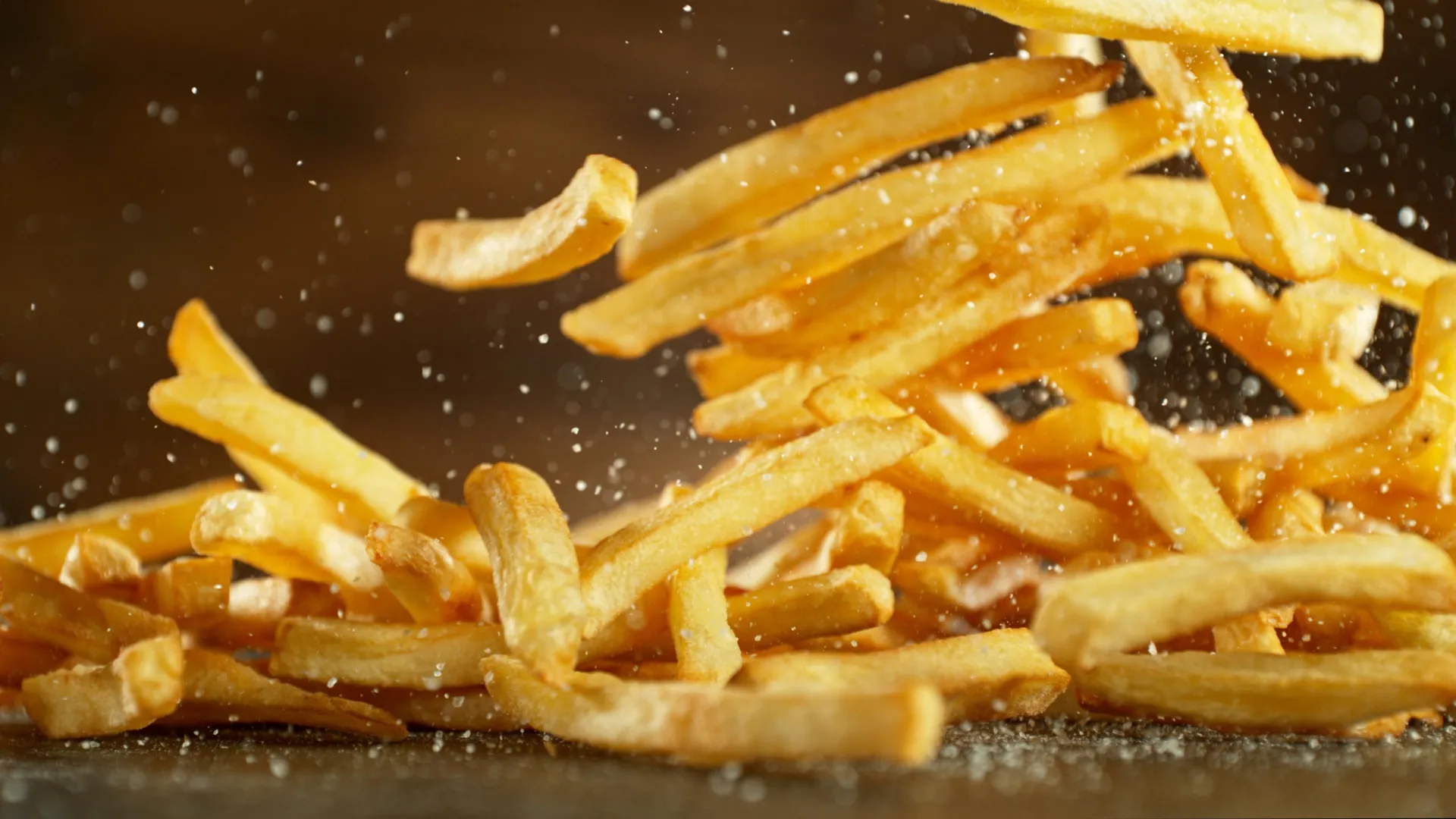
- Participants exposed to junk‑food videos (pizza, burgers, chips) and healthy‑food images (salad, yogurt, smoothies) showed dieters looking at unhealthy imagery for ~50% longer than non‑dieters.
- Dr. Esther Kang described the effect as “digital foraging” and “cross‑modal satiation,” where visual consumption partially satisfies cravings.
- The study suggests that free online visual food content could help people resist unhealthy snacks, potentially supporting weight‑loss efforts in a market worth $257 billion in the U.S.
Why it matters: Dieters gain a low‑cost, non‑invasive tool to curb cravings, while the $257 billion U.S. weight‑loss market—where roughly 60% of women and 40% of men are on a diet—could benefit from free digital‑media strategies that satisfy cravings without eating, potentially reducing overall caloric intake.
Ask SkimNews