Iran Adviser Pushes Back on Trump's Collapse Claim — SkimNews

Get the Finance newsletter
Daily finance — markets, central banks, M&A, the prints that move money. Free.
- Mehrdad Sepahvand, a former economic adviser to the Central Bank of Iran now at Daric Investment Group, told CNBC that Iran's economy is deteriorating but far from unraveling — "shops are still full of food and basic goods, and there is no sign of panic buying" and public confidence in the banking system has not collapsed.
- Donald Trump vowed "economic warfare and isolation on an unprecedented scale" against Iran hours before Sepahvand's interview, declaring the regime is "hanging by a thread" after the collapse of ceasefire talks, and warned any country offering Iran an economic lifeline would face "tremendous economic consequences."
- The UAE announced Wednesday it would halt all trade and financial ties with Iran following what it claimed were two Iranian ballistic missiles fired at the Gulf state; the UAE was Iran's largest source of imports before the war, and Sepahvand called it "one of the main Iranian financial gateways."
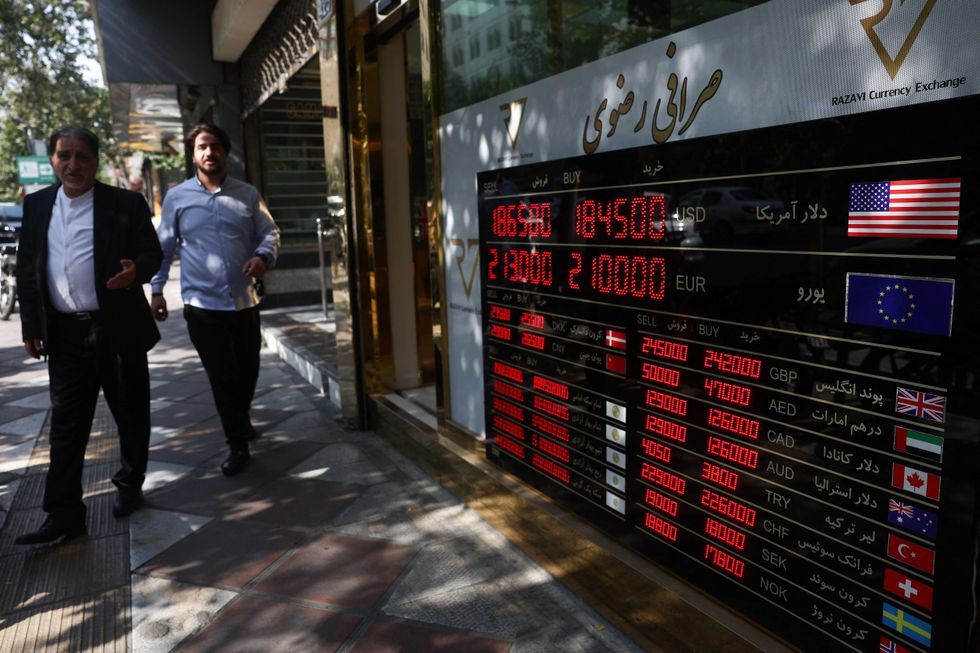
- Sepahvand estimated the UAE rupture will pressure the exchange rate, raise trade costs, and feed inflation over the next two quarters, projecting Iran's GDP contraction at about minus-5% for the year — worse than the World Bank's 2.7% contraction figure for the year ending March.
- World Bank data cited in the article shows Iran's inflation surged to 62.2% in February with food price inflation hitting a historical 99%, and an Iranian official told the New York Times the war has caused the loss of one million jobs.
- Sepahvand warned that the U.S. economic squeeze is strengthening Iranian hardliners and reducing prospects for a deal, with the heaviest burden falling on low-income Iranians and young people facing surging prices and vanishing jobs.
Why it matters: The UAE trade cutoff could deepen Iran's GDP contraction from the World Bank's 2.7% to roughly -5% in Sepahvand's estimate, squeezing low-income Iranians and the young while Sepahvand himself argues hardliners in Tehran are exploiting the pressure to consolidate power — undermining the Trump administration's stated goal of forcing a deal.
Ask SkimNews