Thwaites Glacier melting twice as fast as thought — SkimNews
Get the Energy newsletter
Daily energy & climate — solar, EVs, oil, the policy fights and tech bets shaping the transition. Free.
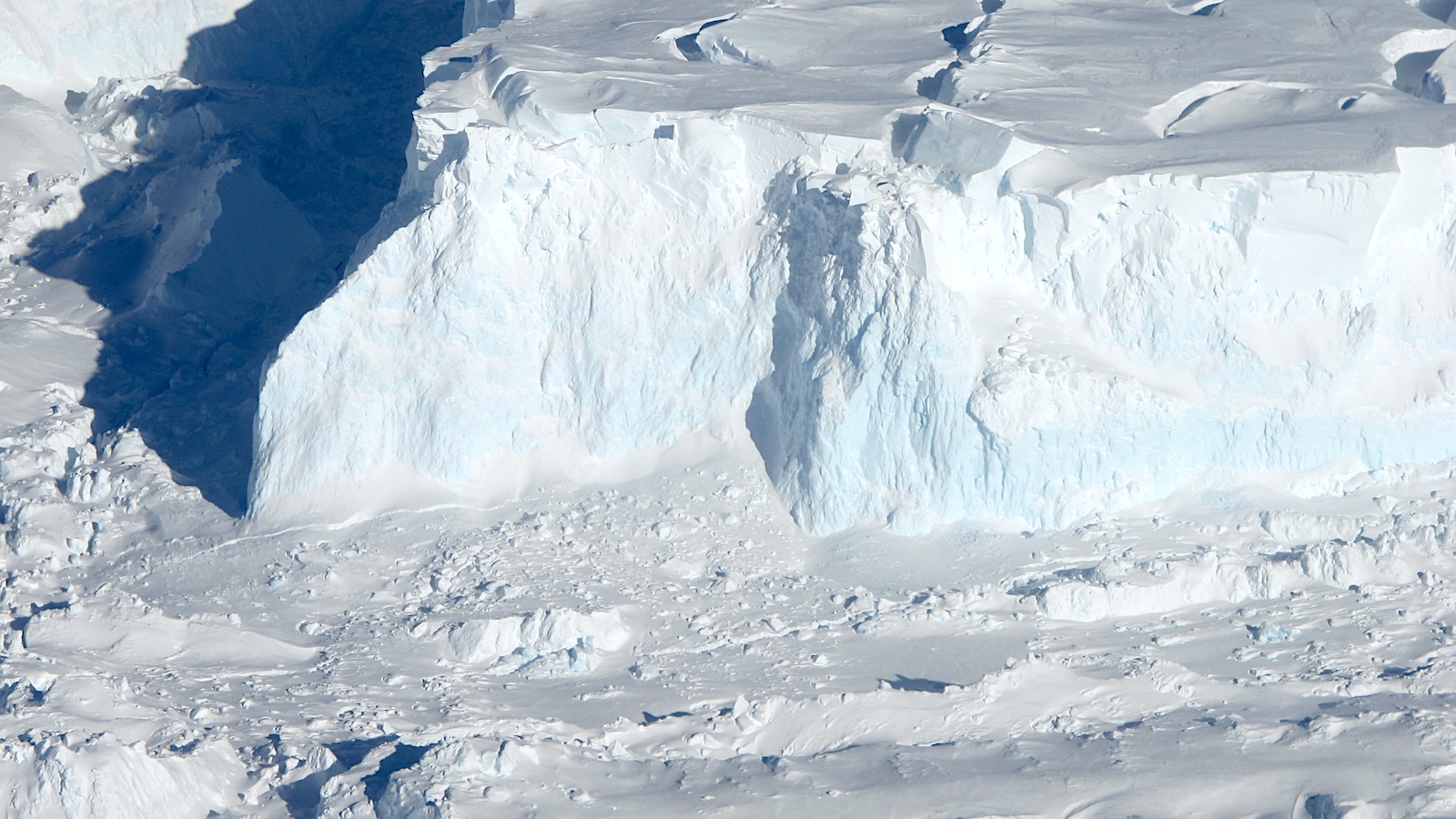
- Thwaites Glacier is losing ice at twice the previously projected rate by 2100, with new modeling showing it could contribute 3 centimeters to sea level rise if current temperatures persist, according to a study in Nature Communications.
- Mattia Poinelli and his team at the University of California Los Angeles developed the first model to account for tidal oscillations in Thwaites’ grounding zone, successfully replicating observed retreat and projecting a 60% chance the glacier becomes permanently unpinned by 2100.
- Thwaites Glacier could become permanently detached from the seafloor as early as 2038, removing a critical barrier that holds back the West Antarctic ice sheet and risking up to 10 feet of global sea level rise if the interior collapses.
- Rosie Williams at the British Antarctic Survey led a separate study in Geophysical Research Letters showing that even if ocean warming were reversed, Thwaites would continue losing ice for at least 150 years, unlike neighboring Pine Island Glacier which could regrow.
- West Antarctic ice sheet is increasingly vulnerable as Thwaites’ eastern half deteriorates and its western side breaks into icebergs, eliminating natural stabilizing structures and accelerating melt through exposed ocean contact.
Why it matters: Coastal communities from North Carolina to Senegal are already experiencing displacement from 10 centimeters of sea level rise over three decades, much of it driven by Thwaites; doubling its projected contribution by 2100 means adaptation timelines are shorter and more urgent, even if emissions are reduced.
Ask SkimNews