Inulin Cut Knee Pain and Boosted Grip Strength in Trial — SkimNews
Get the Health newsletter
Daily health & science — research, biotech, public health, the studies worth knowing. Free.
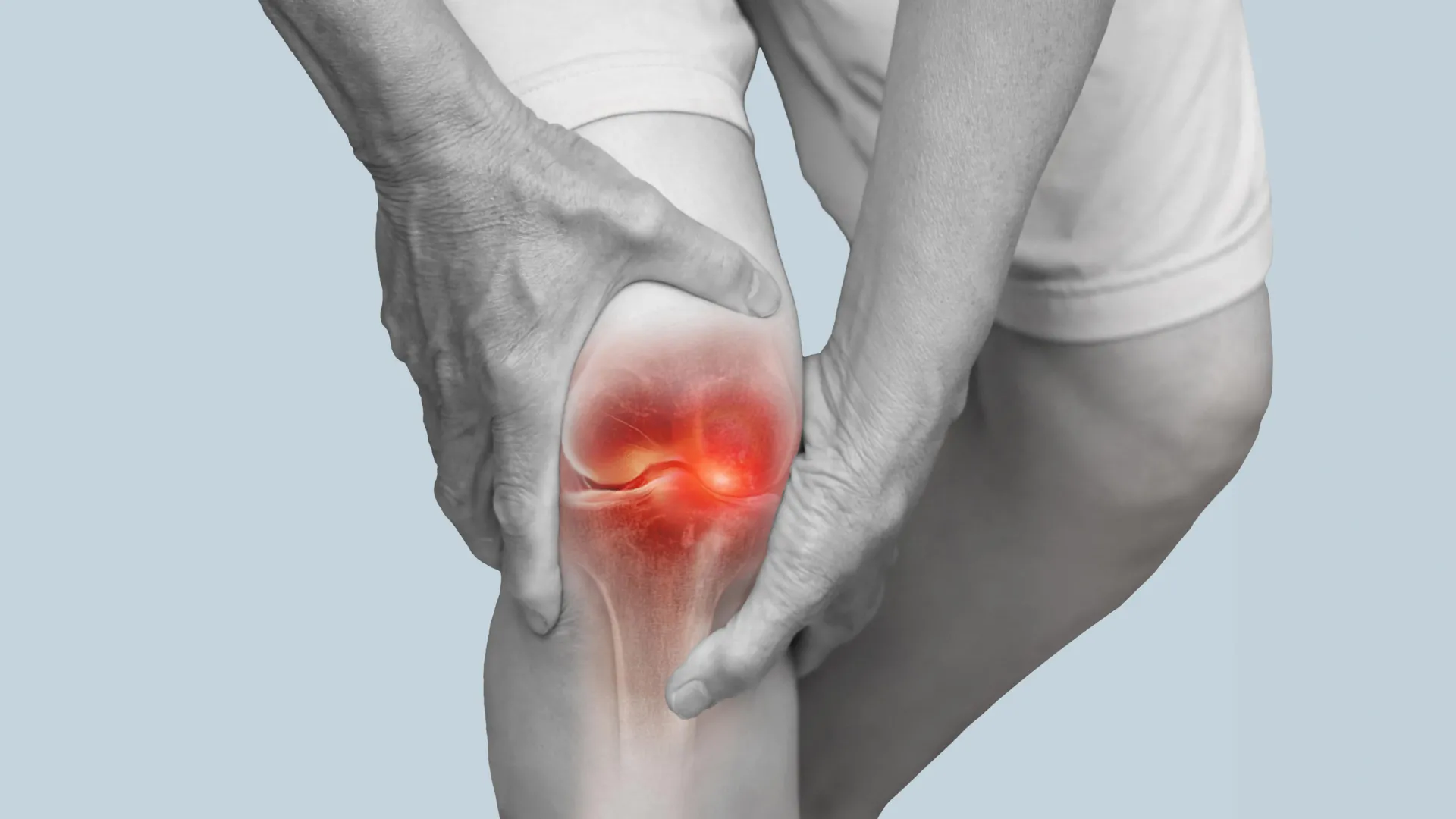
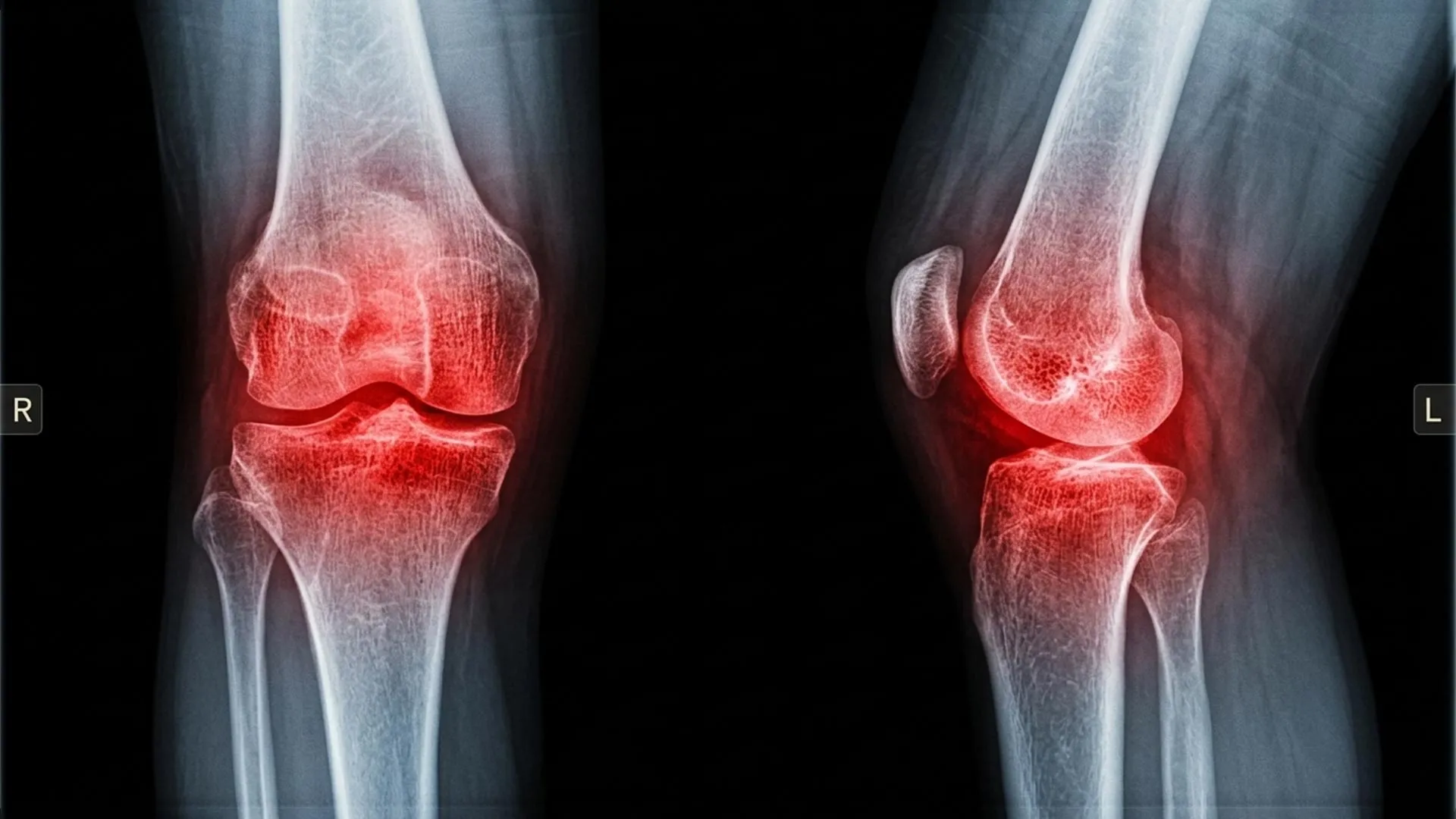
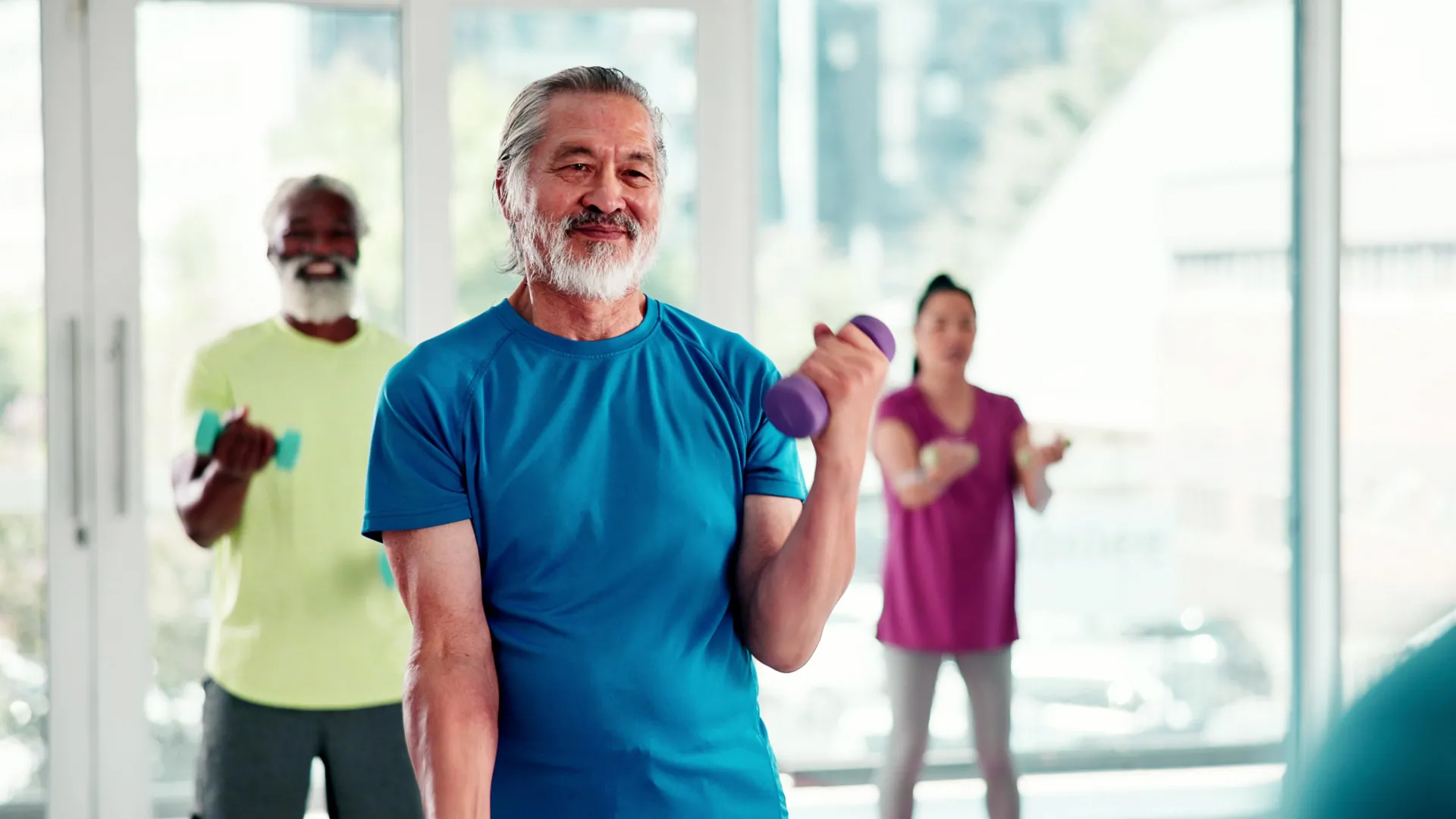
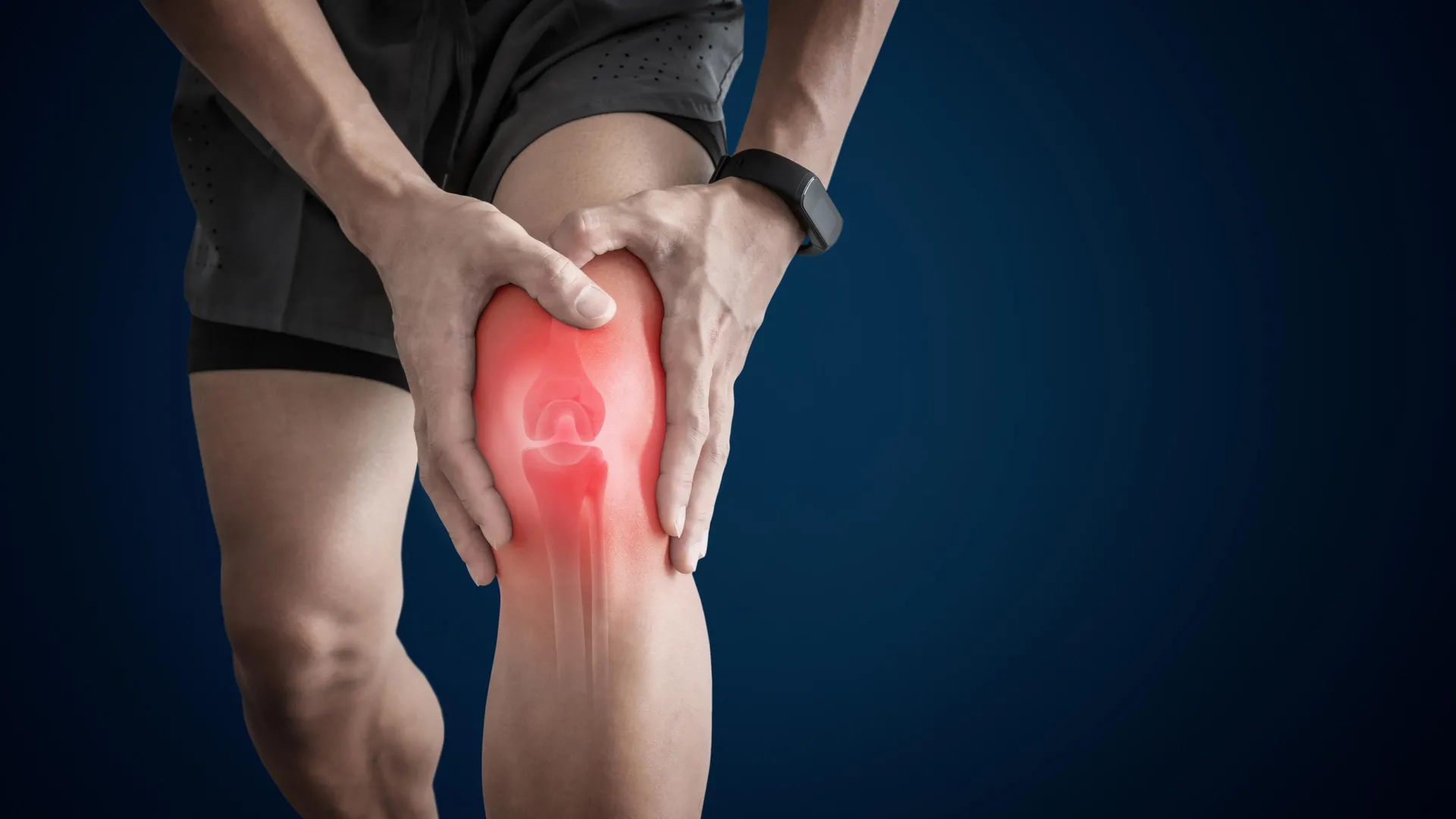
- University of Nottingham researchers ran the INSPIRE trial, a six-week randomized controlled study of 117 adults with knee osteoarthritis testing inulin — a prebiotic fiber from chicory root and Jerusalem artichokes — against digital physiotherapy, both treatments together, and a placebo.
- Inulin significantly reduced knee pain and was the only one of the four arms to also improve grip strength and lower pain sensitivity; digital physiotherapy reduced pain but did not produce those secondary functional gains.
- Inulin participants showed higher blood levels of butyrate (a short-chain fatty acid produced when gut bacteria ferment the fiber) and GLP-1, with elevated GLP-1 statistically linked to stronger grip strength.
- Only 3.6% of inulin participants dropped out of the six-week study, compared with 21% in the digital physiotherapy arm — a gap the researchers flagged as evidence the supplement was far easier to fit into daily life than an exercise program.
- Dr. Afroditi Kouraki, the lead author from Nottingham's School of Medicine, said the findings raise "the exciting possibility that a simple dietary change — adding a fiber supplement to your breakfast or yogurt — could meaningfully reduce pain and improve physical function."
- Professor Ana Valdes, the senior author, said the GLP-1-to-grip-strength link points to a "broader gut-muscle-pain axis" with implications "not just for osteoarthritis, but for understanding how gut health influences ageing and physical resilience more broadly."
- Professor Lucy Donaldson, Director of Research at Arthritis UK, called the work "exciting preliminary research" and noted that six in ten people with arthritis report living in pain most or all of the time, per the charity's recent lived-experience survey.
Why it matters: For the hundreds of millions worldwide with knee OA who face pain medication side effects or struggle to stick with exercise programs, a daily fiber scoop that cut dropout to 3.6% versus 21% for digital physiotherapy could become a far easier, cheaper first-line option — if larger, longer trials confirm these six-week, 117-person findings.
Ask SkimNews