Foot‑Angle Gait Training Cuts OA Pain, Slows Damage — SkimNews
SkimNews Take
Altering foot angle while walking, by leveraging a simple biomechanical adjustment, directly addresses the physical forces contributing to knee osteoarthritis, offering a non-pharmacological pathway to pain relief and disease modification.
Get the Health newsletter
Daily health & science — research, biotech, public health, the studies worth knowing. Free.
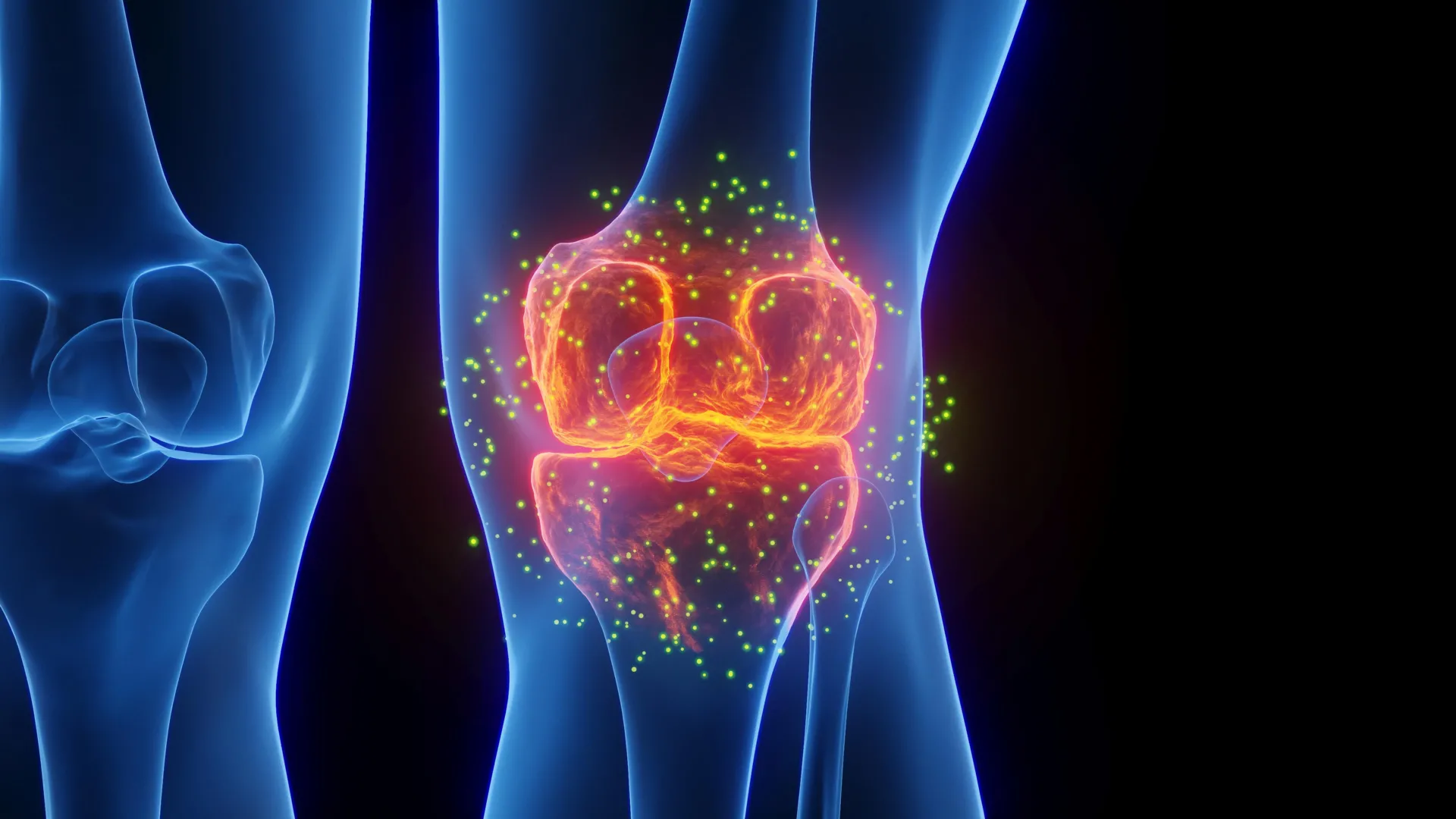
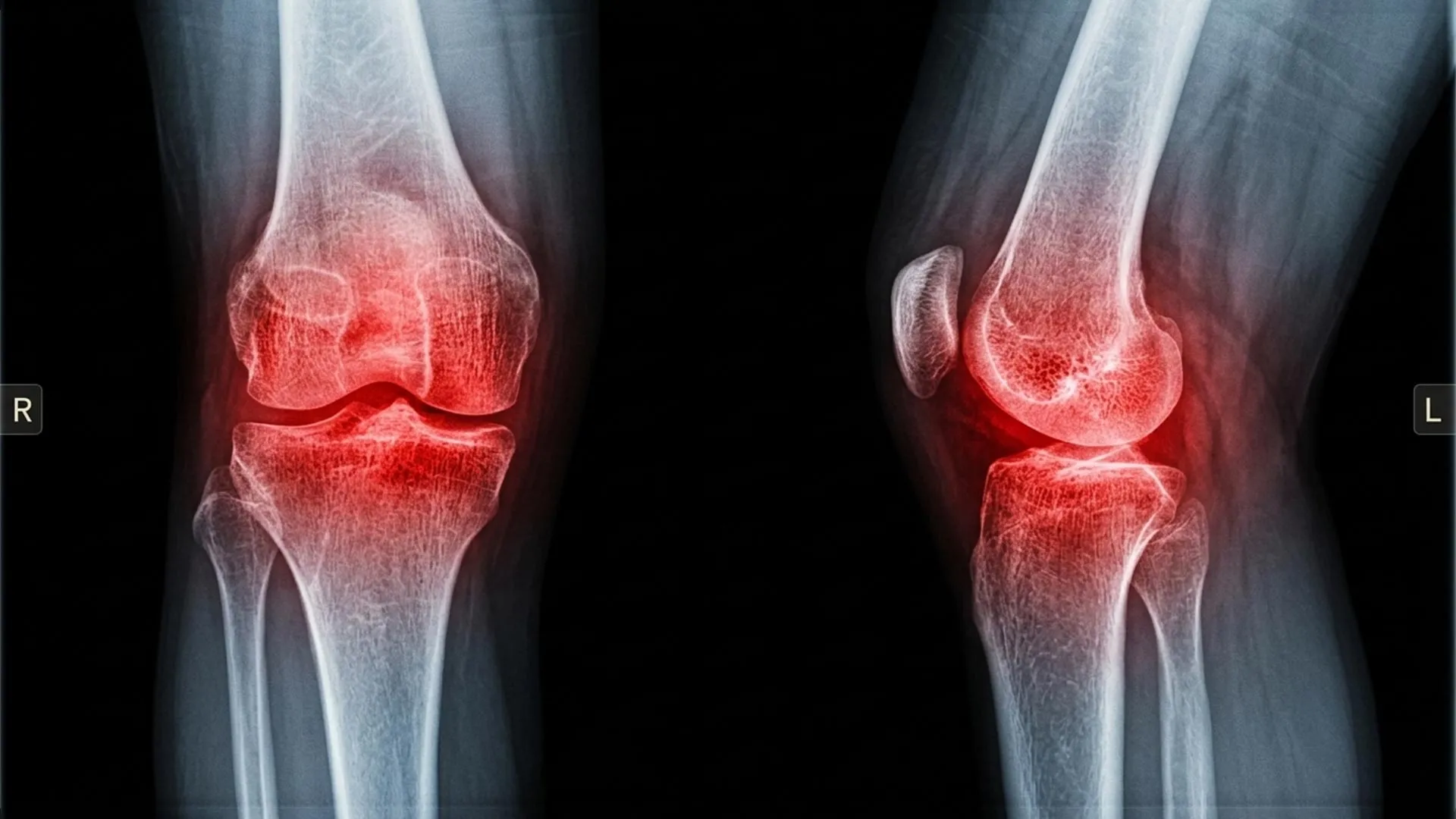
- University of Utah and collaborators conducted a year‑long randomized controlled trial training knee osteoarthritis patients to adjust the angle of their foot while walking.
- Participants who received the personalized gait retraining reported pain relief comparable to common medications.
- MRI scans indicated that the gait‑retraining group had less cartilage deterioration over the year than the placebo group.
- The Lancet Rheumatology published the study, noting it is the first placebo‑controlled trial to show a biomechanical intervention can treat OA symptoms and was shown to potentially slow joint damage.
- Personalized foot‑angle adjustment varied by individual: some patients benefited from turning toes inward, others from pointing outward; an incorrect change can increase knee stress.
Why it matters: Adults with knee osteoarthritis gain a low‑cost, non‑drug therapy that eases pain and may preserve joint tissue, while insurers and providers could see reduced medication and surgery expenses.
Ask SkimNews