Lampard Inquiry: No strong evidence for Oxevision safety
Get the Health newsletter
Daily health & science — research, biotech, public health, the studies worth knowing. Free.
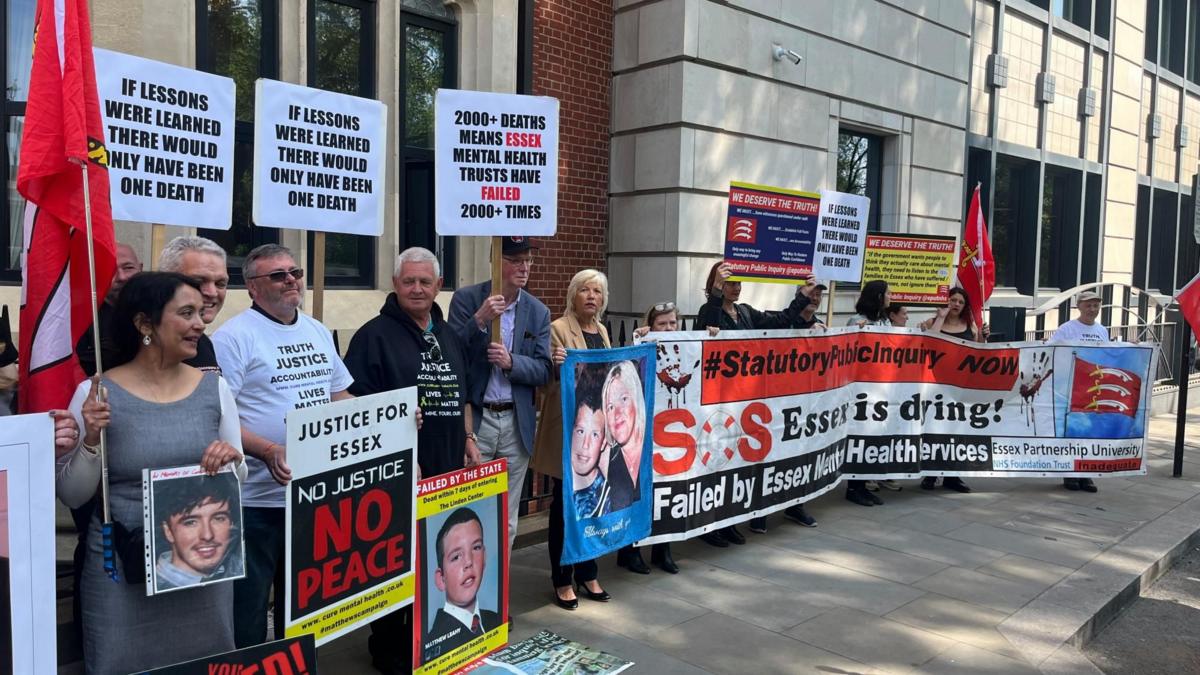
- The Lampard Inquiry is examining the deaths of more than 2,000 mental health patients in Essex over a 24-year period, and heard on Thursday that the 45 studies used to justify Oxevision's NHS rollout fall short of proving it improves patient safety.
- University of Oxford experts Prof Christl Donnelly and Dr Maria Christodoulou found some studies involved Oxevision employees or were insufficiently extensive, concluding they "did not provide strong independent evidence of improved patient safety, acceptability or cost effectiveness."
- LIO Health, which runs Oxevision, pushed back, saying the technology helped staff respond to 1,453 safety incidents over four years in one trust and described its impact as "significant."
- Hodge Jones & Allen partner Nina Ali, representing more than 120 bereaved families at the inquiry, said the experts' findings show "there is no clear or meaningful evidence to show that Oxevision improves patient safety or patient care."
- Stop Oxevision spokesperson Hat Porter said the case raises broader concerns, warning that "a lack of regulation means that a technology without any kind of robust independent evidence base can just be rolled out" across the NHS.
- Baroness Lampard will decide in October whether to make interim recommendations, with hearings continuing until late 2027 and a final report expected in 2028.
Why it matters: With Oxevision already deployed widely across NHS mental health wards and over 120 bereaved families represented at the inquiry, the finding that its supporting evidence base is largely industry-linked or underpowered gives Baroness Lampard a factual basis to consider interim restrictions on the technology before her 2028 final report.