Northwestern IDs Neurons Behind Cannabis Anxiety — SkimNews

Get the Health newsletter
Daily health & science — research, biotech, public health, the studies worth knowing. Free.
- Northwestern University scientists identified somatostatin neurons in the central amygdala as the brain cells driving cannabis-induced anxiety, publishing the findings on Oct. 2, 2026 in Nature Communications.
- In mouse experiments, a synthetic cannabinoid combined with exposure to fox urine odor caused significantly more freezing and less exploration than placebo, the researchers found.
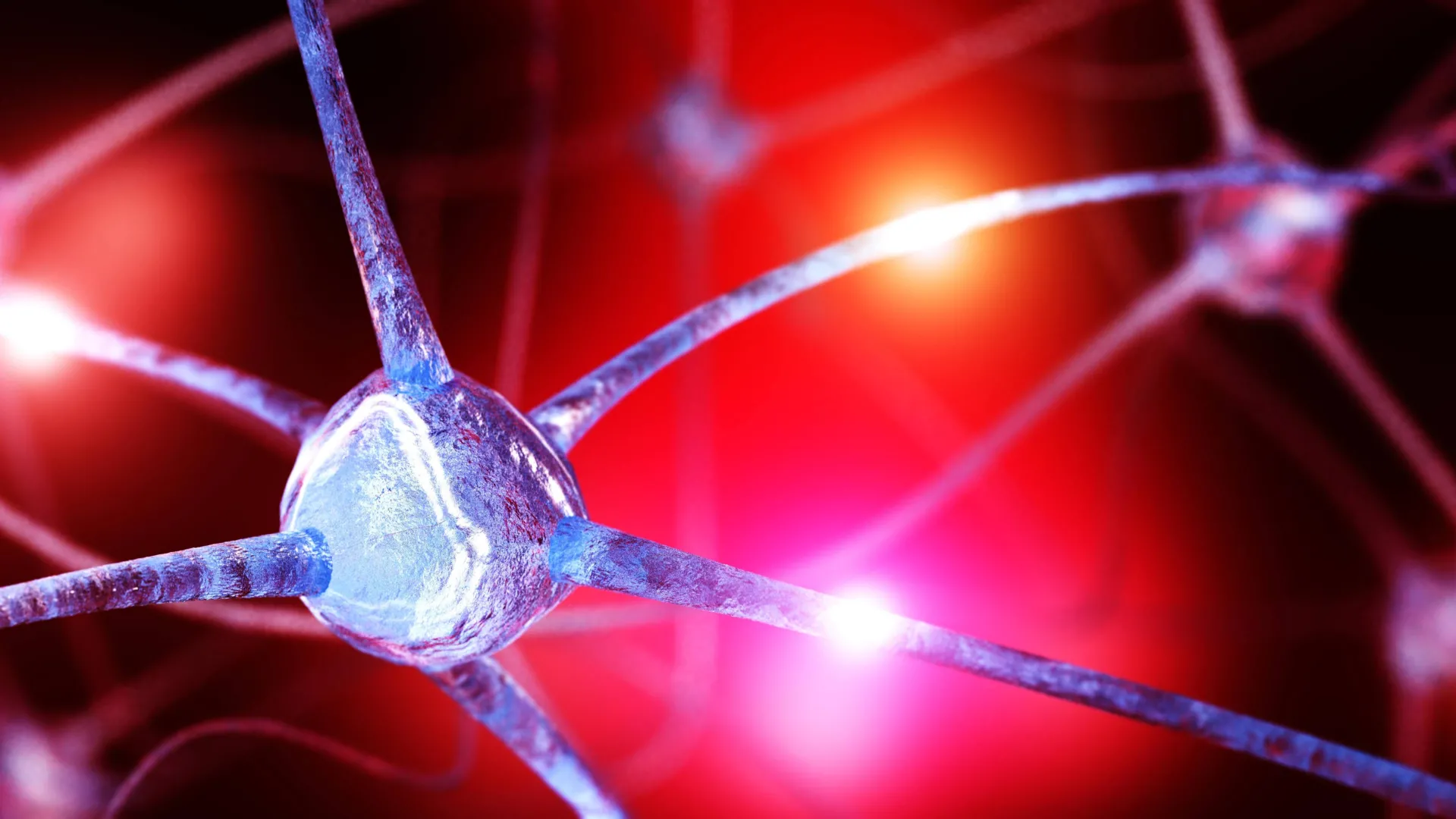
- The study showed cannabinoids weaken a natural brake mechanism on somatostatin neurons, allowing those fear-processing neurons to become hyperactive during threats.
- When the team genetically silenced those somatostatin neurons, mice given cannabinoids became less likely to avoid the predator odor, confirming their causal role.
- Dr. Sachin Patel, chair of psychiatry and behavioral sciences at Northwestern's Feinberg School of Medicine, said higher cannabinoid doses and environmental stress "synergistically released the brake" on the central amygdala.
- The researchers noted the same somatostatin neurons could represent a broader anxiety treatment target beyond cannabis-related side effects.
- The work was supported by NIH grants MH100785 and K08 MH126166, plus the Brain & Behavior Research Foundation's Young Investigator Awards.
Why it matters: Northwestern's identification of somatostatin neurons in the central amygdala as the mechanism behind cannabis-induced anxiety offers a concrete neural target for future therapies — one that could matter for the growing number of cannabis users experiencing adverse effects, given that ER visits for cannabis-related problems have risen alongside increased consumption in the U.S.
Ask SkimNews