Record El Niño Fuels Wildfires, Drought and Storms — SkimNews

Get the Energy newsletter
Daily energy & climate — solar, EVs, oil, the policy fights and tech bets shaping the transition. Free.
- El Niño is strengthening and the World Meteorological Organization projects it will persist until at least 2027, supercharging extreme weather across multiple regions simultaneously
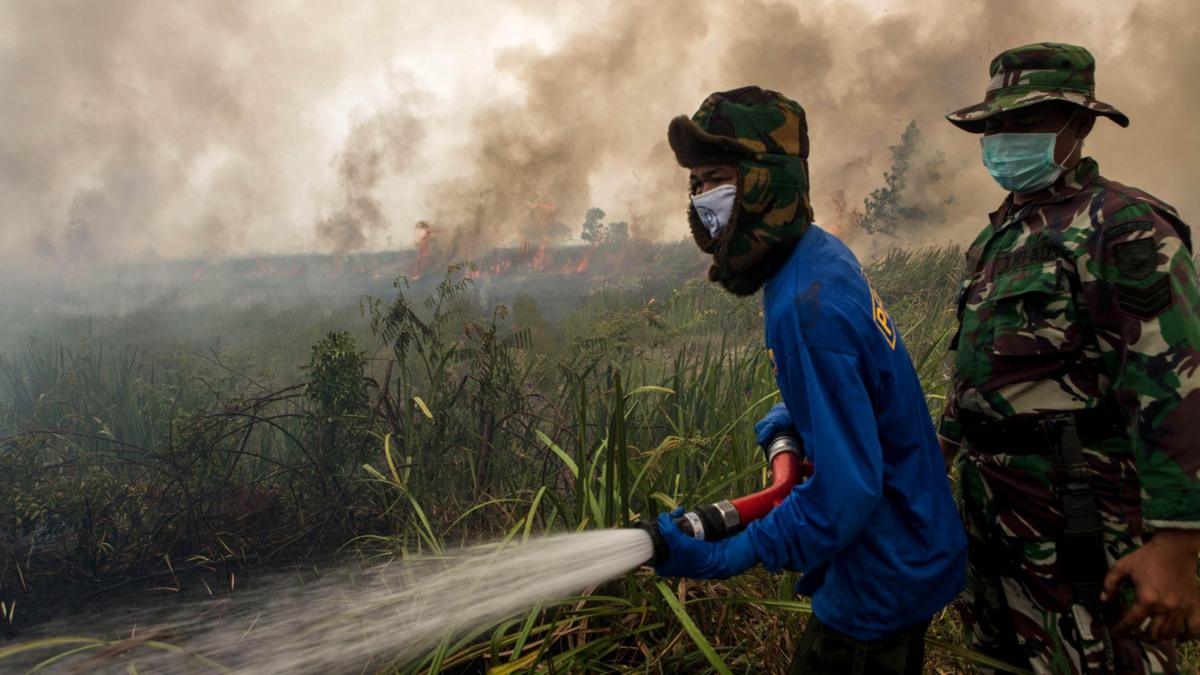
- Indonesia is battling its worst wildfire season since 2015, with 895,657 hectares burned since January — nearly six times the size of Greater London — and roughly 175,000 people suffering respiratory illness, including more than 40,000 toddlers
- The eastern Pacific has already produced 22 named storms, 12 hurricanes, and 10 major hurricanes this season — above full-season averages with two months left — including Hurricane Polo's rapid intensification to 180 mph wind gusts
- The Atlantic has logged only one hurricane (Isaias), the latest-forming on record in the satellite era, against a seasonal norm of five hurricanes and two major hurricanes by the same point
- India's monsoon rainfall is 13% below average overall, but the east and northeast are 26% drier — classified as 'exceptional' drought — and southern states 24% drier, with rain falling in long dry spells punctuated by extreme events
- The western Pacific has seen 10 tropical cyclones this season, the highest since 1966, with storms including Maysak and Dujuan causing widespread floods and landslides across Japan and east China
Why it matters: With the WMO projecting this record-breaking El Niño to persist through at least 2027, multiple regions are absorbing strain at once: Indonesia has recorded 175,000 respiratory cases and shut schools, India faces drought in the east and northeast, and the Pacific has already exceeded full-season hurricane averages with two months still to run. The simultaneous pressure exposes how a single ocean-atmosphere shift compounds crises across food systems, public health, and disaster response.
Ask SkimNews