Singapore threatens prosecution over Indonesia's decade-worst fires — SkimNews

Get the Energy newsletter
Daily energy & climate — solar, EVs, oil, the policy fights and tech bets shaping the transition. Free.
- Singapore PM Lawrence Wong said his government is distributing masks to vulnerable citizens and investigating which companies may be responsible for the fires, while exploring "joint action with other countries"; several firms with Indonesian concessions are reportedly based in Singapore.
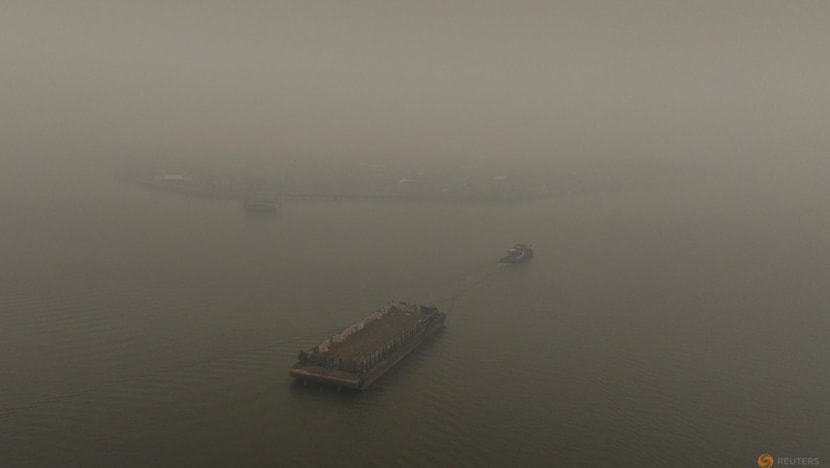
- The Indonesian blazes — the most intense in over a decade, fueled by slash-and-burn clearing for palm oil plantations — have pushed thick haze into Singapore, Malaysia, Brunei, Timor-Leste, the Philippines, and Vietnam, forcing school closures and sending air pollution indexes to unhealthy levels.
- Malaysian PM Anwar Ibrahim said he contacted Indonesian President Prabowo Subianto, who "agreed to take the necessary steps"; Jakarta initially said it was "still capable of handling it" before reversing by week's end to accept regional assistance.
- Indonesia's health ministry reported nearly 280,000 people with respiratory infections linked to the fires, more than 60,000 of them children under five; the forestry ministry said four firefighters were killed in a Java national park.
- A Greenpeace report identified businesses based in Singapore and Malaysia it claims are linked to burning Indonesian land — attempts to hold companies accountable for "transboundary haze" have previously failed locally and internationally.
- Malaysian activist Lee Lam Thye captured the regional frustration in a public letter: "Clean air is not a favour. It is a basic right," as civil society groups and Indonesian politicians push Jakarta to declare a national disaster that would unlock emergency funds.
Why it matters: Indonesia bears the heaviest toll — nearly 280,000 with respiratory infections and four firefighters dead — but Singapore's threat to prosecute companies on its own soil marks a departure from Asean's usual non-interference posture, turning the crisis into a test of whether regional diplomacy can enforce accountability on the palm oil supply chain.
Ask SkimNews