One Brain Shows How Amyloid Removal Blocked Tau Spread — SkimNews
Get the Health newsletter
Daily health & science — research, biotech, public health, the studies worth knowing. Free.
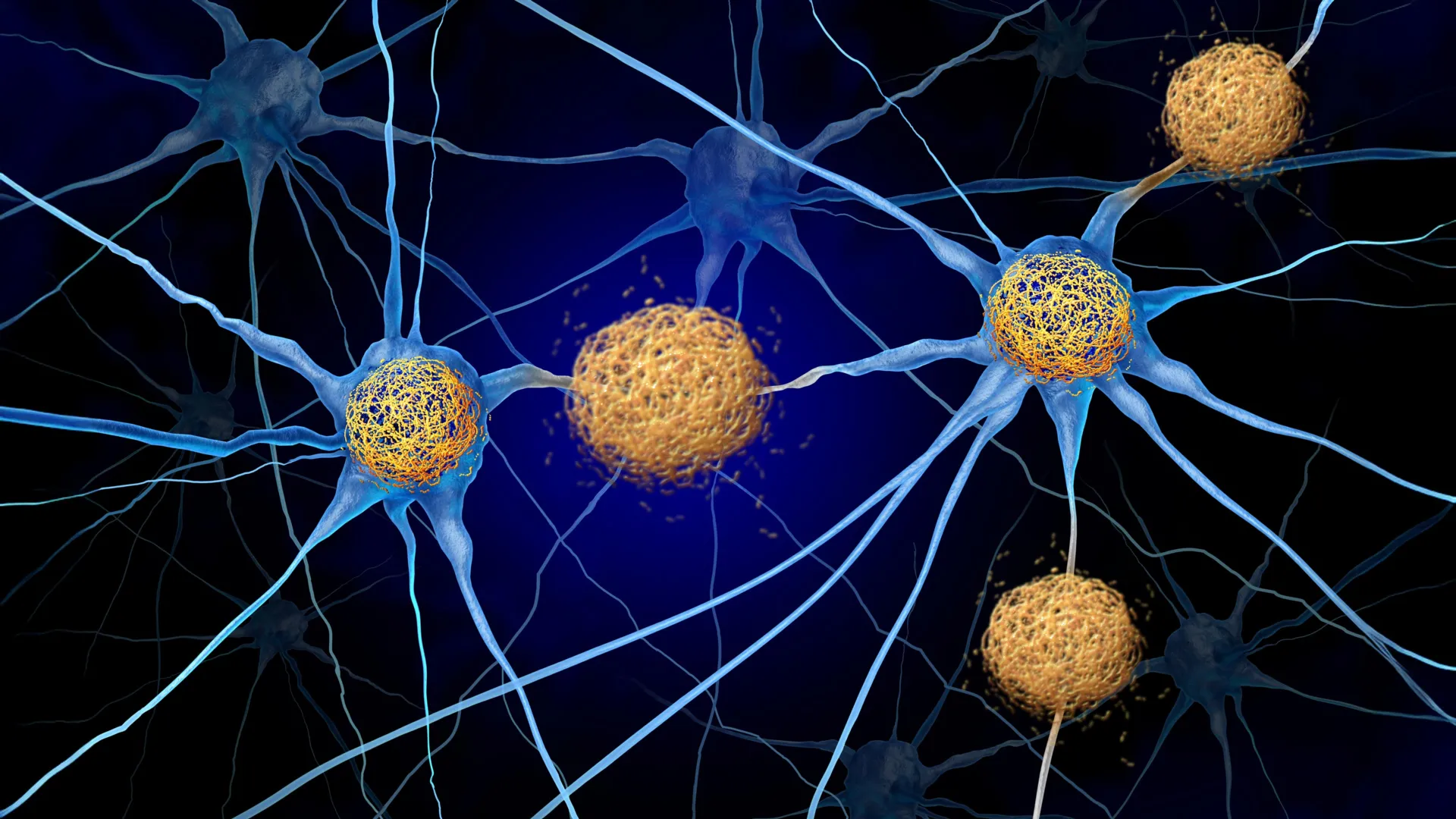
- Researchers at the University of Pennsylvania reported in JAMA that in a single former clinical trial participant's donated brain, regions cleared of amyloid plaques showed little to no tau tangles, while neighboring areas still harboring amyloid showed substantially more tau, inflammation, and tissue degeneration.
- Aducanumab—the anti-amyloid drug no longer sold—had been administered to the patient in 30 doses over 4.5 years; he died approximately four years after his final dose, more than a decade after first symptoms, having expressed a wish to donate his brain to research.
- The patient, diagnosed in his fifties with mild cognitive impairment, exhibited a striking patchwork: the brain's gyri (ridges) had lost most amyloid and carried little tau, while adjacent sulci (grooves) retained considerable amyloid and suffered much more damage—described by co-senior author Edward B. Lee, MD, PhD as a unique "Goldilocks scenario" for direct comparison.
- Co-senior author David Wolk, MD, co-director of the Penn Memory Center, called the findings "some of the clearest human evidence to date that anti-amyloid therapies may limit the accumulation of tau and slow the brain changes that lead to memory loss and cognitive decline."
- The study raises a measurement question: clinical trials typically evaluate patients over approximately 18 months, yet some protective effects of amyloid removal may take considerably longer to become apparent—calling into account how benefit is timed in trial design.
- First author Christopher A. Brown, MD, PhD noted that amyloid can accumulate silently for years before symptoms appear, suggesting that starting treatment before noticeable decline could limit subsequent damage—a hypothesis ongoing preclinical trials aim to test.
Why it matters: Researchers have long theorized that removing amyloid halts downstream tau damage, but direct human-brain evidence has been nearly impossible to obtain. This single case provides the clearest postmortem signal yet that amyloid-clearing therapies can leave a durable, region-specific imprint against tau—even years after dosing ends. For drug developers and regulators, it raises the question of whether 18-month trial windows capture the full magnitude of benefit, while for at-risk patients it strengthens the argument for treating earlier.
Ask SkimNews