North Korea's Kursk Combat Reshapes Special Ops Doctrine — SkimNews
Get the Geopolitics newsletter
Daily geopolitics — wars, elections, sanctions, the diplomatic moves that move markets. Free.
- North Korea's 11th "Storm Corps" and units from the 94th and 92nd Special Forces Brigades fought alongside Russian forces in Kursk, participating in battles to recapture Sudzha and successfully targeting Ukrainian supply lines and entrenchments.
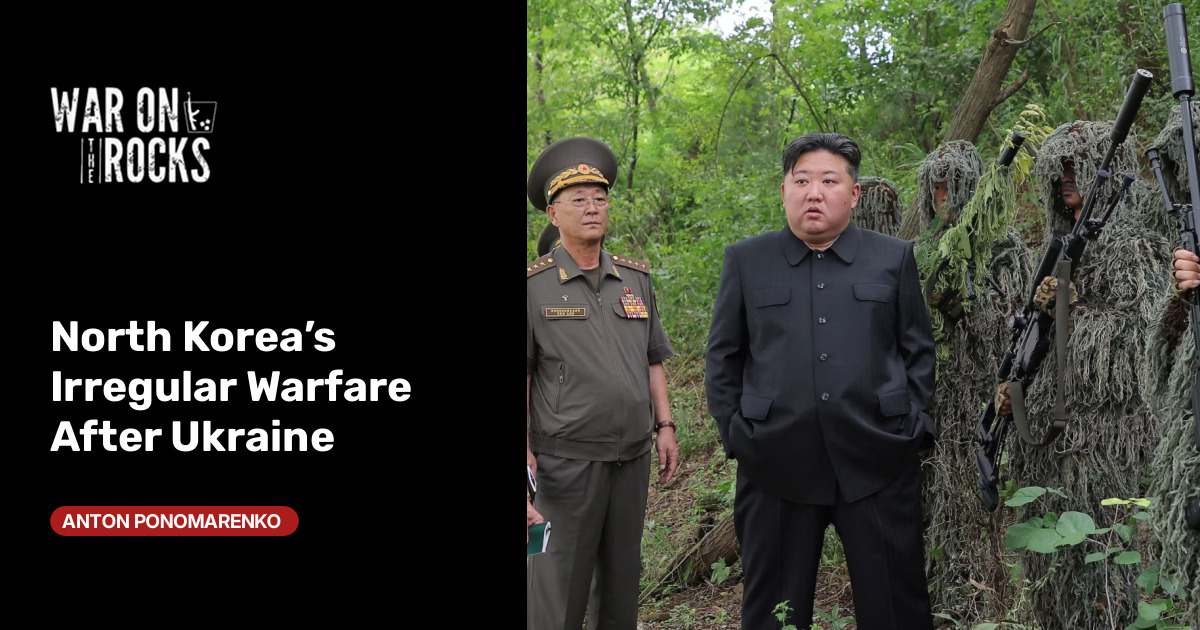
- North Korean troops in Kursk deployed infiltration-focused gear — thermal capes, advanced camouflage that reduced heat signatures on night vision goggles and reconnaissance drones, and Russian-supplied cold weather clothing — pointing to a doctrinal shift toward all-weather, drone-era clandestine operations.
- The Kursk battlefield — agricultural fields, villages, and forest patches — resembles infiltration corridors along the western DMZ near the Imjin River, giving Pyongyang a terrain template for adapting lessons to the peninsula.
- The June 2024 Comprehensive Strategic Partnership Treaty between Russia and North Korea enabled transfers of ballistic missile technology, electronic warfare systems, and drones that augment Pyongyang's irregular warfare toolkit.
- South Korea maintains trained counter-infiltration reserves, extensive border monitoring systems, and regular exercises against North Korean amphibious and tunnel infiltration, though the quality and quantity of its reserves have dwindled since the 1996 Gangneung incursion.
- North Korea has officially abandoned its reunification goal and institutionalized the "two hostile states" framework, making covert, below-the-threshold operations against South Korea more attractive even as Seoul's new administration extends overtures.
- North Korean irregular warfare doctrine now emphasizes drone integration into infiltration corridor reconnaissance, sabotage, and the terminal phase of operations — a deliberate shift to operate against a technologically superior enemy with functioning command-and-control and aerial reconnaissance.
Why it matters: South Korea has spent decades hardening its DMZ detection and counter-infiltration capabilities, but the post-Kursk combination of advanced camouflage, drone reconnaissance, and Russian technology transfers narrows the specific gaps — situational awareness, communications, and modern gear — that caused the 1968 and 1996 missions to fail. With Pyongyang having formally dropped reunification in favor of the "two hostile states" framework, the same 11th Storm Corps that fought in Sudzha now brings battlefield-tested, drone-enabled tactics to a peninsula where reserve quality has eroded.
Ask SkimNews