Swift Observatory to Re-Enter Earth's Atmosphere — SkimNews
Get the Health newsletter
Daily health & science — research, biotech, public health, the studies worth knowing. Free.
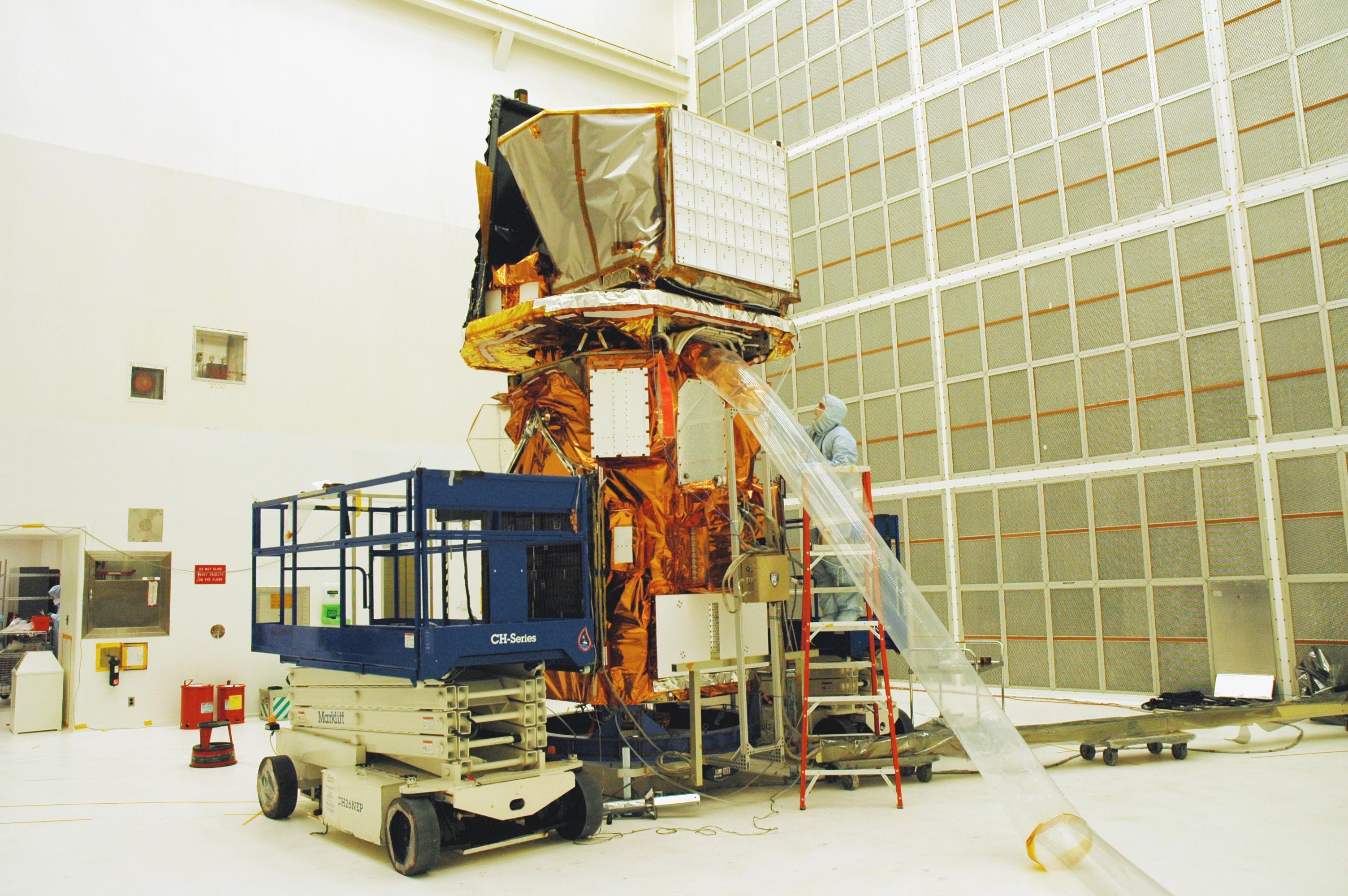
- NASA launched the Neil Gehrels Swift Observatory in 2004 to study gamma-ray bursts, exceeding its two-year design life by two decades
- Neil Gehrels Swift Observatory detected over 2,000 gamma-ray bursts and observed tidal disruption events, including a wandering black hole shredding a star 30,000 light-years from a galaxy’s center
- NASA and U.S. Space Force predict the 3,200-pound satellite will re-enter Earth’s atmosphere around 3:30 a.m. ET on November 4, with most components burning up
- Surviving debris from the Swift Observatory is expected to fall within latitudes 20.6° north and 20.6° south, with a 1 in 2,100 risk of harm to people on Earth
- NASA attempted a rescue mission in 2023 using a private space contractor to boost Swift’s orbit, but the effort failed due to a missed rendezvous
- The Swift team used observations of star-shredding events to search for invisible wandering supermassive black holes outside galactic cores
Why it matters: The uncontrolled re-entry of a long-lived scientific satellite raises rare but measurable risks for people in tropical and subtropical zones, while marking the end of a mission that expanded understanding of black holes and cosmic explosions—NASA now faces scrutiny over orbital-debris planning for aging spacecraft.
Ask SkimNews