US Rejects UN Pandemic Preparedness Declaration — SkimNews

Get the Geopolitics newsletter
Daily geopolitics — wars, elections, sanctions, the diplomatic moves that move markets. Free.
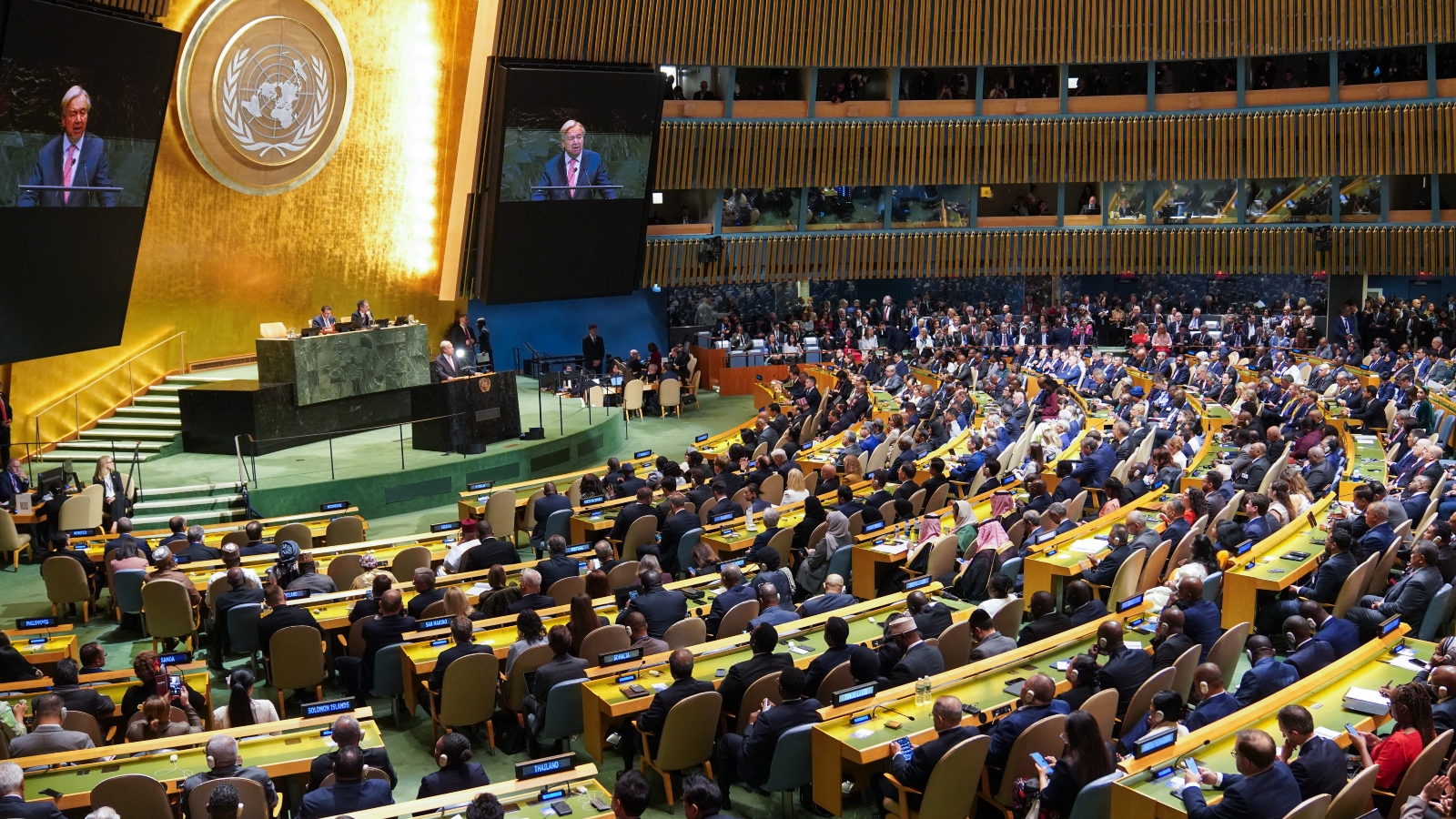
- United States on Friday rejected a UN declaration by member countries that pledged international collaboration and solidarity in preparing for and responding to pandemics.
- European Union expressed strong objections to parts of the declaration, citing "explicit red lines" on intellectual property protections and insisting that technology transfer "must be voluntary and on mutually agreed terms."
- The declaration is largely ceremonial—it is not legally binding and does not set rules for what countries should do during pandemics—but its universal endorsement would have signaled a powerful expression of global political commitment.
- The objections sharpened the divide that became apparent during the coronavirus pandemic, when low-income nations lagged richer countries by more than a year in being able to provide vaccines to citizens.
- The declaration will be reconsidered at a future meeting of the General Assembly, where it is still likely to garner enough votes to be adopted.
- An EU spokesman said the bloc supports the "important overarching objective" of the declaration while disagreeing with elements that "set us back in the achievement of that objective."
Why it matters: Wealthy nations had hoped for unanimous political backing on pandemic cooperation, but the US rejection—and the EU's parallel intellectual-property objections—blow a hole in that symbolism. The fault line mirrors the COVID-era fight over vaccine access, where low-income countries waited more than a year for doses. The declaration will likely still pass at the General Assembly, but without the world's richest countries on board.
Ask SkimNews