UN Passes First Sea Level Rise Resolution, Shields Island Sovereignty — SkimNews
Get the Energy newsletter
Daily energy & climate — solar, EVs, oil, the policy fights and tech bets shaping the transition. Free.
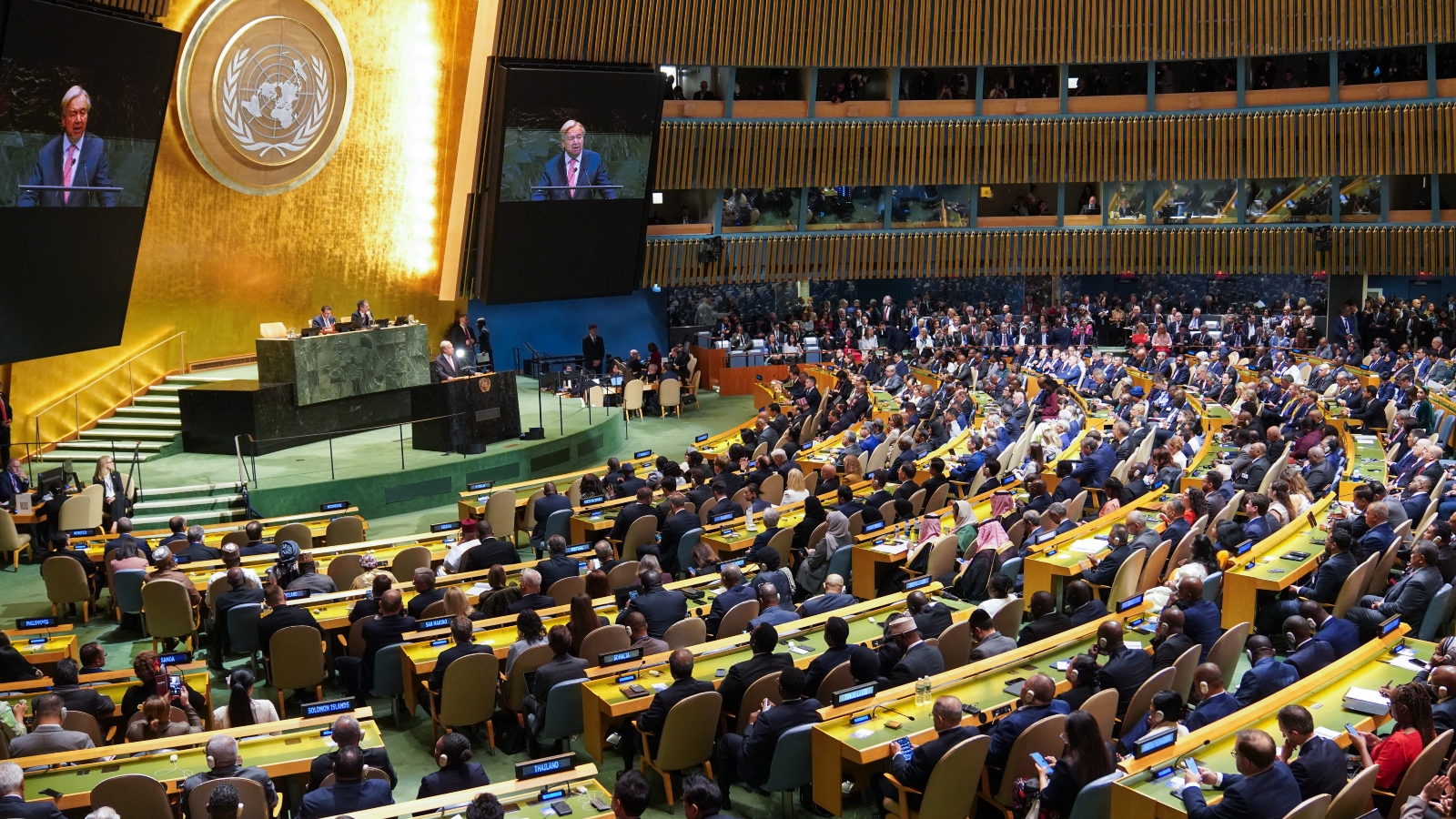
- The UN General Assembly unanimously approved a sea level rise resolution on Thursday, and the United States did not block it despite President Trump's broader hostility to global climate cooperation, including withdrawal from the Paris agreement.
- The declaration establishes a 'presumption in favor of continued statehood,' meaning nations like Tuvalu and the Marshall Islands will remain political actors even if their landmass disappears and will retain control over their maritime zones for fishing, energy, and other activities.
- The Alliance of Small Island States drove the campaign, with the declaration echoing a landmark International Court of Justice ruling from last year that held the disappearance of a state's constituent elements does not necessarily mean loss of statehood.
- Developed countries and historic emitters face an 'urgent' obligation under the text to provide 'expanded access' to adaptation funds for small island states, language that had been fiercely contested at recent UN climate talks.
- Current climate finance falls short of need — wealthy nations provide roughly $130 billion annually in grants and low-interest loans, well below the $300 billion annual target by 2035 agreed in 2024, and much of it comes as loans small island states struggle to afford.
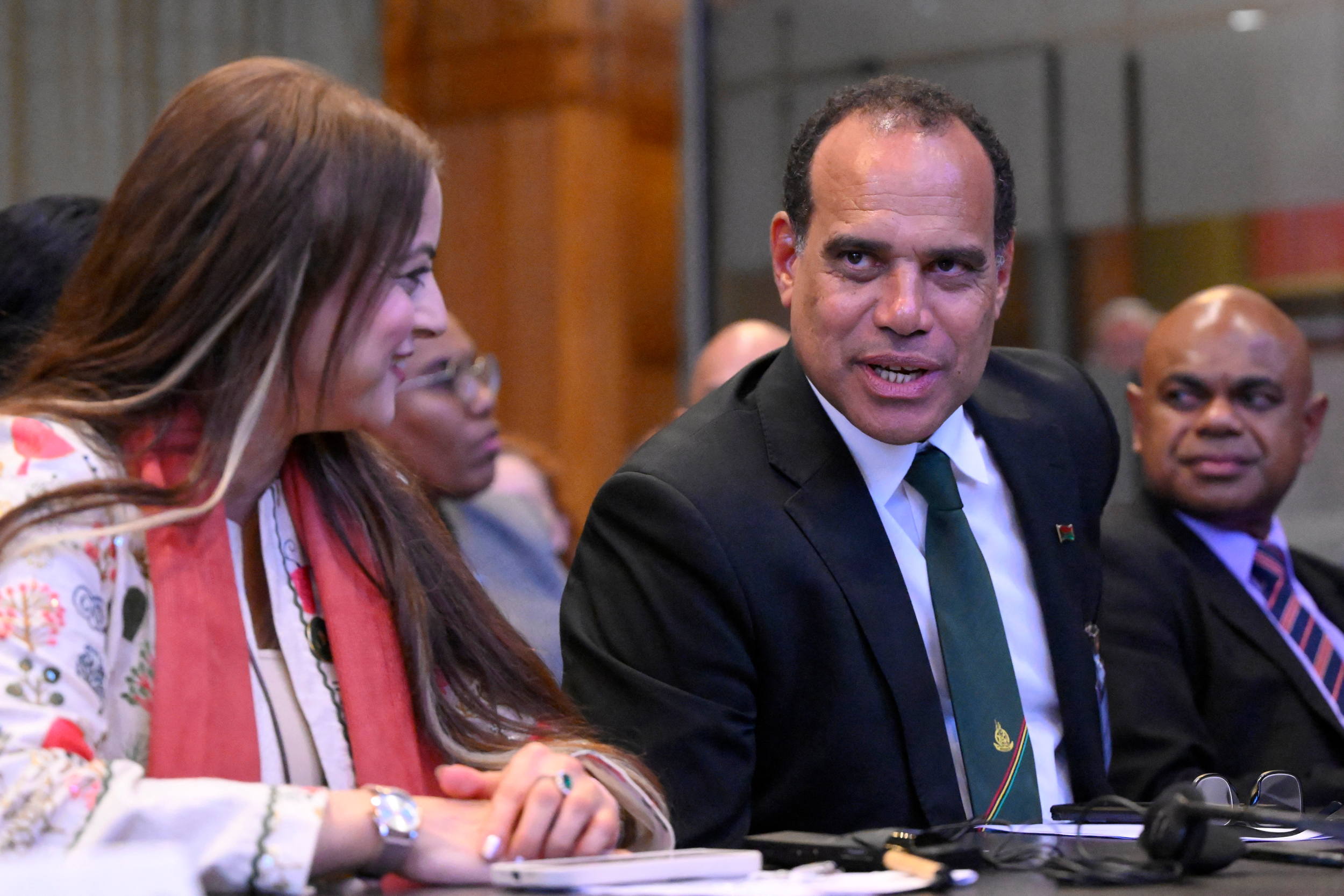
- Bahamas Prime Minister Philip Davis told Grist the legal protections will guard tourism-dependent ocean territory against deep-sea mining claims, declaring: 'This cannot be a free-for-all… This cannot be might is right, and might takes what is there.'
- The US cooperated, according to NYU law professor Bryce Rudyk, because every nation has a self-interest in protecting borders — rich countries risk losing land to rising seas and could see shifting maritime boundaries jeopardize their own offshore oil, minerals, and wind resources.
Why it matters: The resolution transforms a previously contested legal 'presumption' into an affirmed UN principle, locking in protections for nations like Tuvalu, the Marshall Islands, and the Bahamas against losing sovereignty and ocean territory — including offshore resources worth billions. For island economies dependent on fishing and tourism, it inoculates their maritime borders against deep-sea mining grabs. The adaptation finance language is aspirational: current aid runs at $130 billion annually versus a $300 billion by 2035 target, most of it as loans vulnerable states like the Bahamas, already burdened by Hurricane Dorian debt, cannot easily service.
Ask SkimNews