UN Assembly Backs ICJ Climate Ruling 141-8 — SkimNews
Get the Energy newsletter
Daily energy & climate — solar, EVs, oil, the policy fights and tech bets shaping the transition. Free.
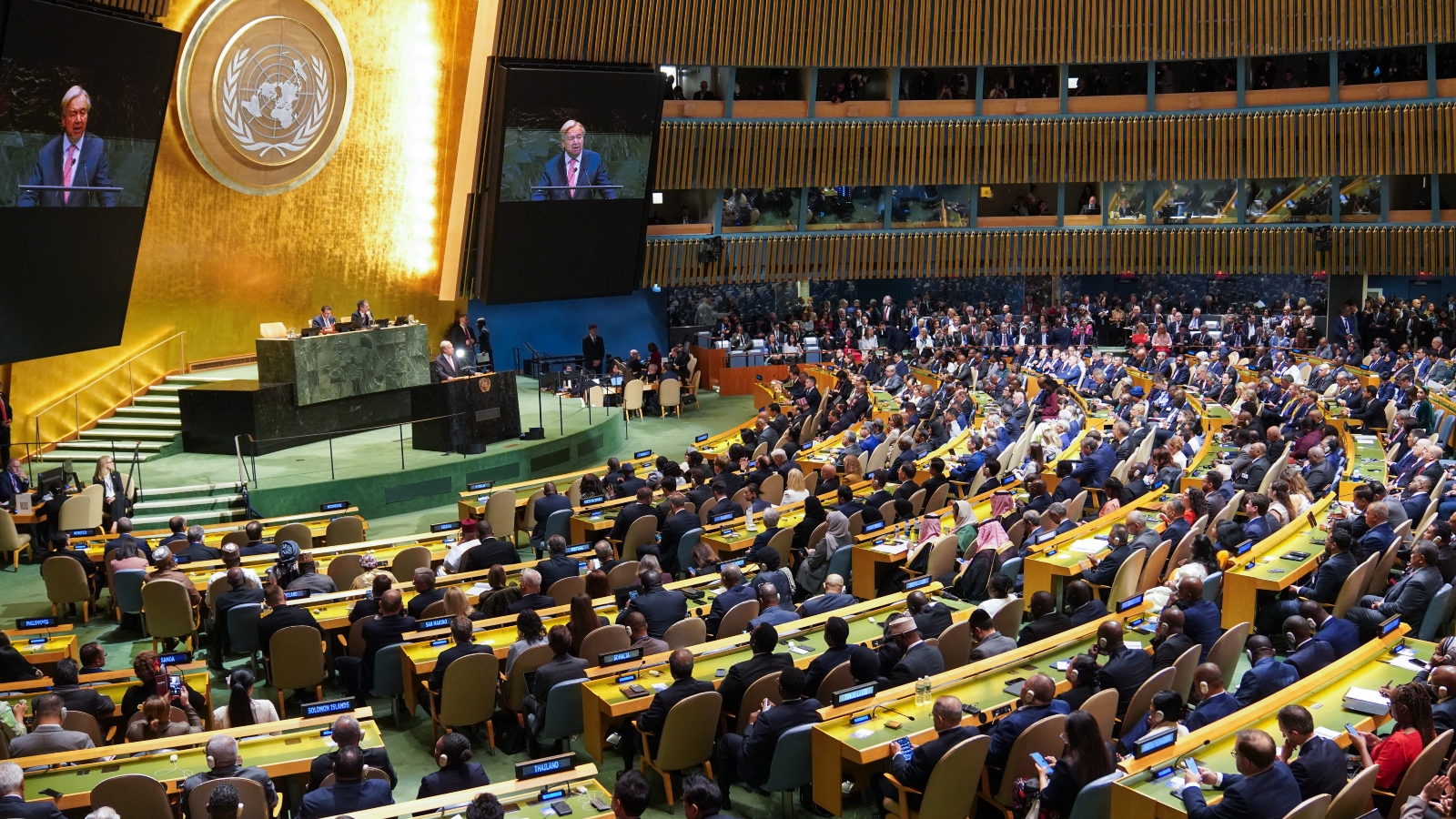
- The UN General Assembly voted 141 in favor, 28 abstaining, and just 8 against a resolution endorsing the ICJ's July 2025 advisory opinion that countries have a legal obligation to address the climate crisis under multiple sources of international law.
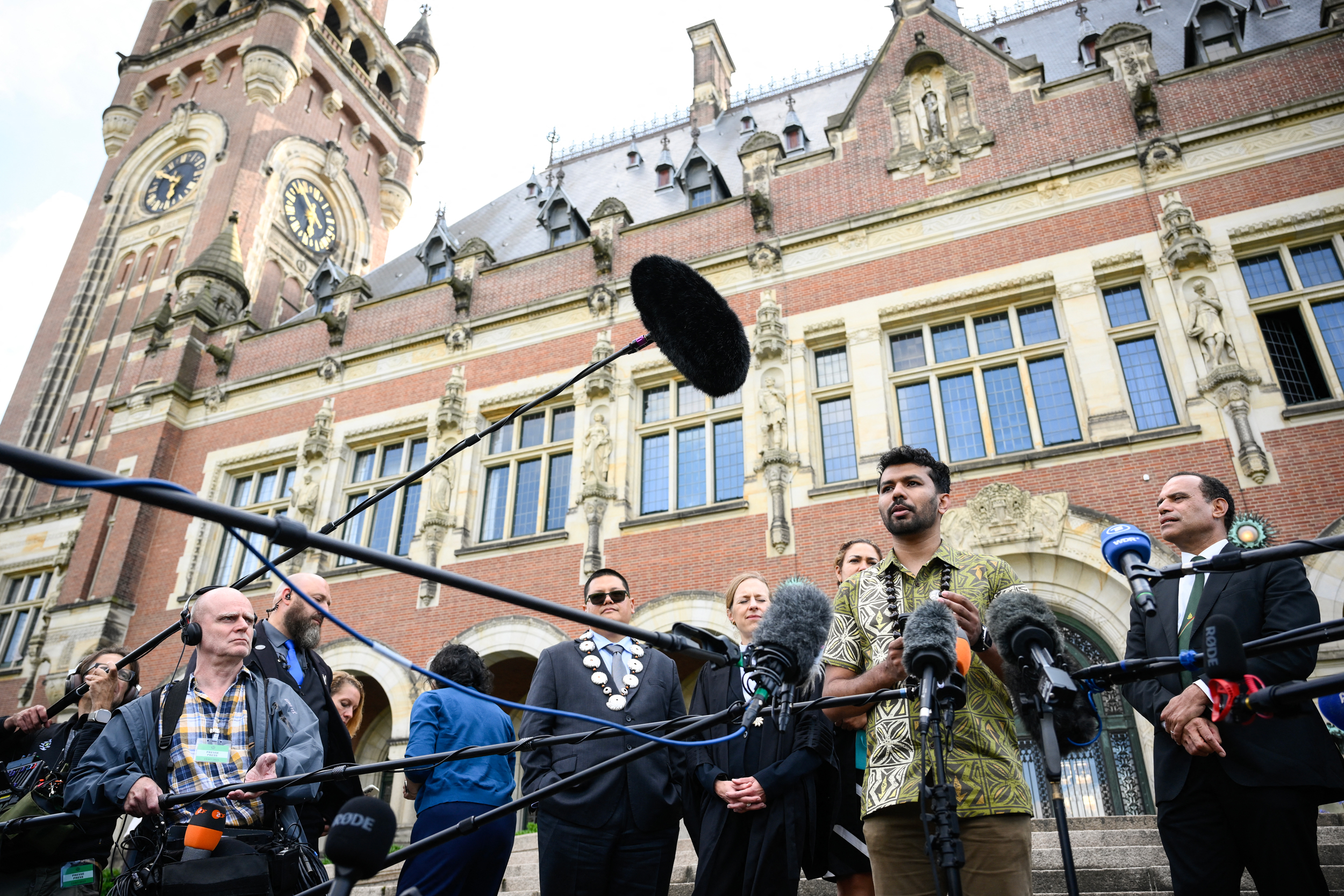
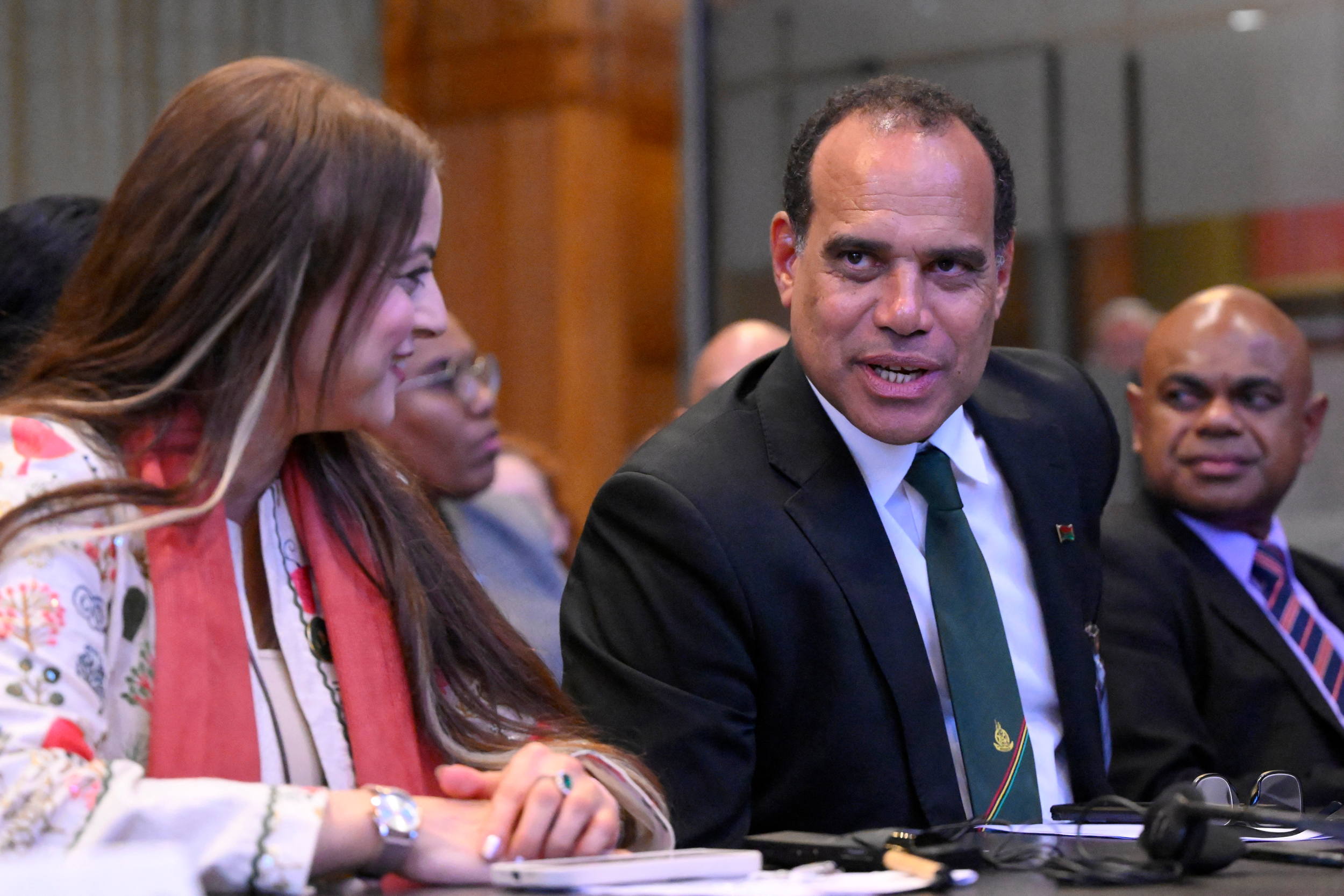
- Vanuatu, the small Pacific Island nation that initiated the campaign for the ICJ opinion, championed the resolution; the US reportedly pressured other countries to oppose it and tried to get Vanuatu to withdraw, but Vanuatu held firm after making some text compromises (including dropping a global loss-and-damage registry).
- The ICJ advisory opinion affirmed that the 1.5°C temperature limit remains the primary goal, that customary legal duties apply to all states regardless of whether they ratified climate treaties, and that continued boosting of fossil fuels could constitute an internationally wrongful act.
- Eight countries — Belarus, Iran, Israel, Liberia, Russia, Saudi Arabia, the US, and Yemen — voted against; US deputy representative Tammy Bruce called the resolution "highly problematic" on the assembly floor and rejected its framing of the duty to prevent transboundary climate harm as "legally wrong."
- The resolution calls on member states to comply with the ICJ's clarified obligations, transition away from fossil fuels, and requests the UN Secretary-General issue a report exploring ways to advance compliance — without weakening amendments that climate justice advocates say were narrowly avoided.
- President Trump told the General Assembly in September 2025 that climate change is "the greatest con job" in history and urged member nations to reject climate measures and buy American oil and gas, foreshadowing the US vote against the resolution months later.
Why it matters: With 141 of 193 member states backing the resolution, climate-vulnerable nations and domestic litigators gain a powerful new diplomatic and legal tool — a near-universal UN endorsement that the ICJ ruling is not just persuasive authority but a collective commitment to operationalize it. The 8-vote minority, led by the world's largest historical emitter and major petrostates, now stands visibly isolated, which advocates argue strengthens the hand of countries seeking fossil fuel phase-outs at future climate summits.
Ask SkimNews