Palestinians Hold First Municipal Vote Since Gaza War — SkimNews
Get the Geopolitics newsletter
Daily geopolitics — wars, elections, sanctions, the diplomatic moves that move markets. Free.
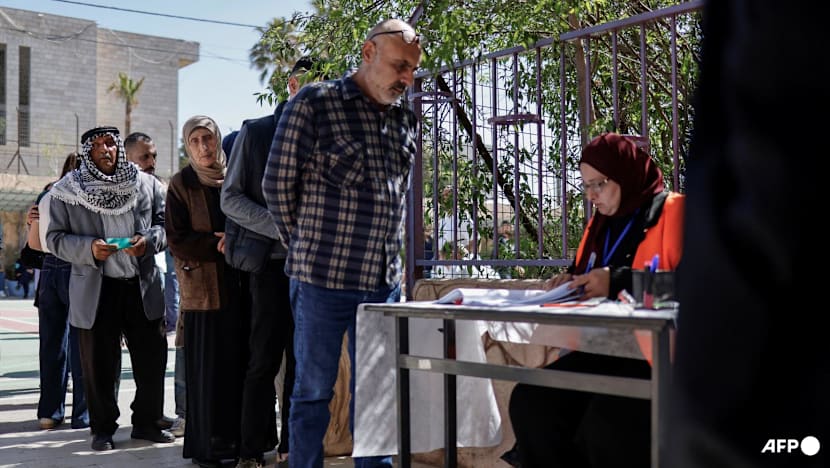
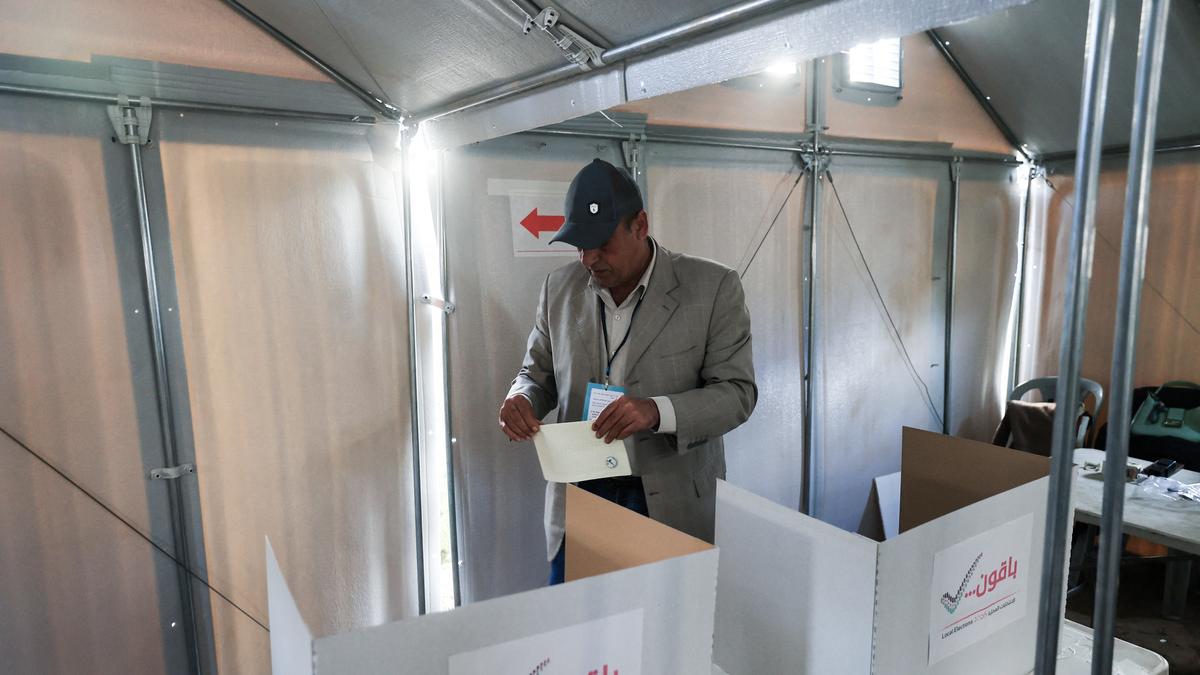
- Palestinians in the Israeli-occupied West Bank and Gaza's Deir el-Balah area began voting Saturday (April 25, 2026) in the first municipal elections since the Gaza war, with nearly 1.5 million registered in the West Bank and 70,000 in Deir el-Balah, according to the Ramallah-based Central Elections Commission.
- Fatah dominates the ballot: most lists are aligned with President Mahmoud Abbas's secular-nationalist party or running as independents, while Hamas — which controls nearly half of Gaza — has no affiliated lists.
- In several major West Bank cities including Nablus and Ramallah, only one list was submitted, meaning those tickets win automatically without a vote.
- Tulkarem businessman Mahmud Bader said he would vote despite "little hope for meaningful change," telling AFP the exercise would be "an image shown to the international media — as if we have elections, a state or independence" — adding that "the (Israeli) occupation is the one that rules" his city.
- The Palestinian Authority chose Deir el-Balah for Gaza's vote as "an experiment (to test its own) success or failure, since there are no post-war opinion polls," Cairo-based political scientist Jamal al-Fadi told AFP.
- Hamas police insisted on securing the electoral process in Deir el-Balah, deploying unarmed personnel in civilian clothing around 12 polling centers, despite the elections commission hiring a private security company.
- UN coordinator Ramiz Alakbarov commended the commission for organising a "credible process" and called Saturday's vote "an important opportunity for Palestinians to exercise their democratic rights during an exceptionally challenging period."
Why it matters: Fatah consolidates power through uncontested automatic wins in Nablus and Ramallah; Hamas is excluded from ballots but deploys police to guard Gaza's polls. For the 1.57 million eligible voters, the process delivers symbolic legitimacy to 90-year-old Abbas without producing political competition or addressing the unfulfilled legislative and presidential elections he has long promised.
Ask SkimNews