Taiwan's Silicon Shield: Speed Over Scarcity — SkimNews

Get the Geopolitics newsletter
Daily geopolitics — wars, elections, sanctions, the diplomatic moves that move markets. Free.
- Taiwanese firms account for nearly 90% of global AI server production, and the dense ecosystem of leading-edge process technology, advanced packaging, specialized suppliers, engineering talent, and system integration is far harder to reproduce on a political timetable than final assembly alone.
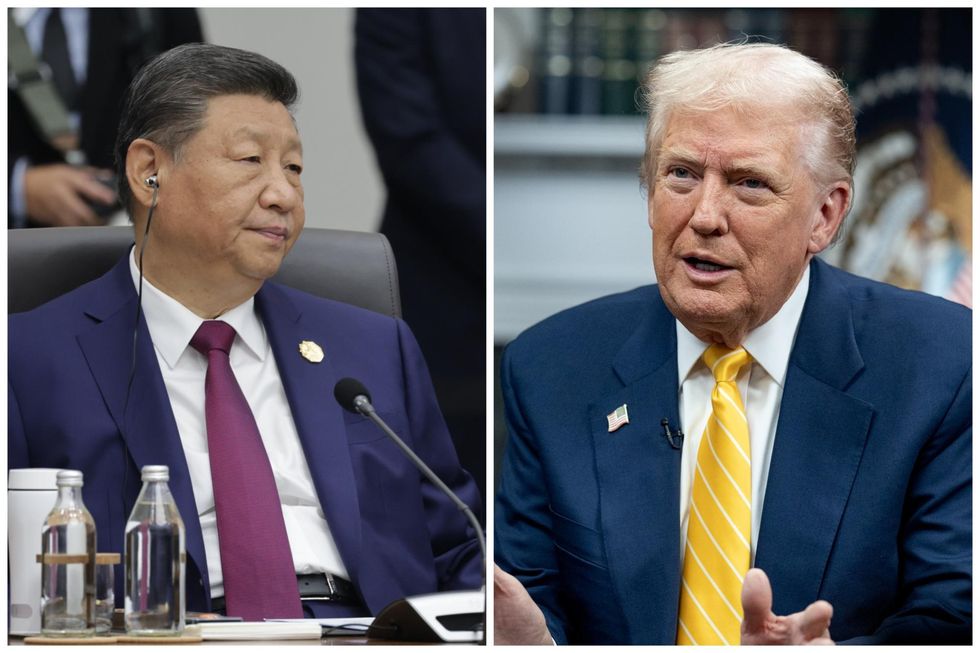
- Donald Trump and Xi Jinping met in Washington on September 24, with Xi calling for AI to remain 'under human control' and continued US-China dialogue, while Trump — who has said 'Whoever wins AI, wins' — rejected calls to slow the AI race.
- The Trump administration issued a June memorandum directing agencies to accelerate frontier AI adoption, maintain 'technological overmatch,' and build a resilient supply chain that 'cannot be severed in times of conflict.'
- Huawei is pushing its Ascend ecosystem and unveiled the Atlas 960E SuperPoD as part of a broader effort to reduce dependence on US-controlled technology, with cross-Strait semiconductor ties still substantial.
- US reshoring efforts — fabs in Arizona, Taiwanese server makers expanding to the US, Mexico, and Southeast Asia — are rational, but final assembly can move faster than the industrial ecosystem behind it, and resilience takes time the AI race is not waiting for.
- The author argues a crisis need not become a full invasion to matter: a blockade, cyberattack, prolonged shipping disruption, or serious interruption to energy supplies could slow the hardware pipeline on which US frontier AI expansion depends.
- Taiwan's longer-term relevance will depend less on preserving today's concentration than on remaining embedded in successive generations of the AI hardware stack, as advanced fabrication, packaging, and server production spread abroad.
- Chih-Cheng Meng is a Taiwan-based political economist specializing in international political economy and US-China-Taiwan relations, formerly at National Cheng Kung University, with a Ph.D. from the University of Texas at Austin.
Why it matters: The US has committed to accelerating AI adoption and maintaining 'technological overmatch,' yet 90% of AI server production still flows through Taiwanese firms. Diversification is rational but slow; a non-military shock to Taiwan could cost the US strategic time in the AI race before reshored capacity exists.
Ask SkimNews