Israel Election Won’t Shift Iran Policy, Analysts Say — SkimNews
Get the Geopolitics newsletter
Daily geopolitics — wars, elections, sanctions, the diplomatic moves that move markets. Free.
- Israel holds its 2026 general election on October 27, the first since the October 7, 2023 Hamas attack, which reshaped regional security dynamics and intensified focus on Iran.
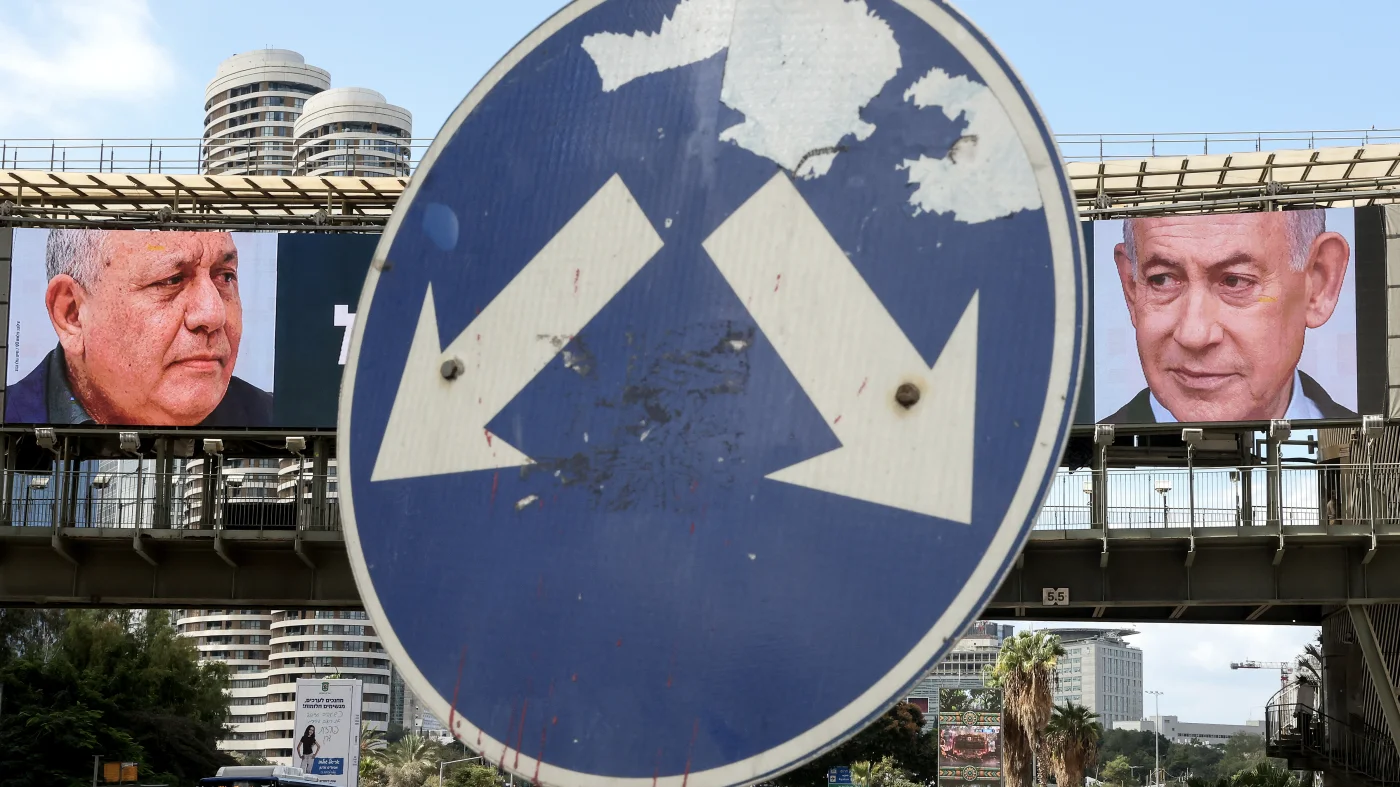
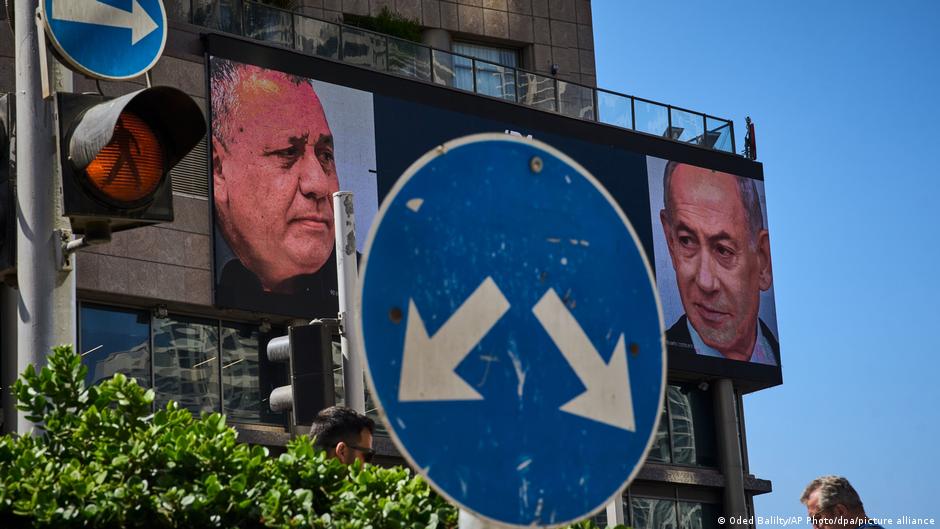
- Benjamin Netanyahu campaigns for re-election as prime minister, receiving a public endorsement from U.S. President Trump, who called him a 'warrior prime minister' and warned a different leader would weaken U.S.-Israel cooperation on Iran.
- Gadi Eisenkot, Netanyahu’s main rival and former IDF chief, leads the centrist Yashar party, but analysts see no fundamental policy divergence between the two on Iran.
- Raz Zimmt of the INSS states that differences among Israeli political factions on Iran’s nuclear threat are minor and that any major military action depends more on the U.S. president than on Israel’s leadership.
- Damon Golriz of the Hague Institute for Geopolitics identifies three U.S.-Israel policy goals toward Iran: removing regime leaders, causing industrial collapse, and fostering internal fragmentation via Kurdish and Baluch separatists.
- Iran has prepared retaliatory plans, including targeting undersea fiber-optic cables and AI infrastructure in the Persian Gulf, according to senior Iranian security officials cited by Reuters.
Why it matters: Despite the high-stakes election, Israel’s Iran strategy will likely remain unchanged because it is constrained by U.S. political timelines and military coordination. The real decision power lies in Washington, not Jerusalem, making the prime ministerial race symbolic on this issue. This limits diplomatic flexibility even after a potential leadership change.
Ask SkimNews