Dallas Fed: Prolonged Hormuz Closure Could Push US Inflation Past 4% — SkimNews
Get the Finance newsletter
Daily finance — markets, central banks, M&A, the prints that move money. Free.
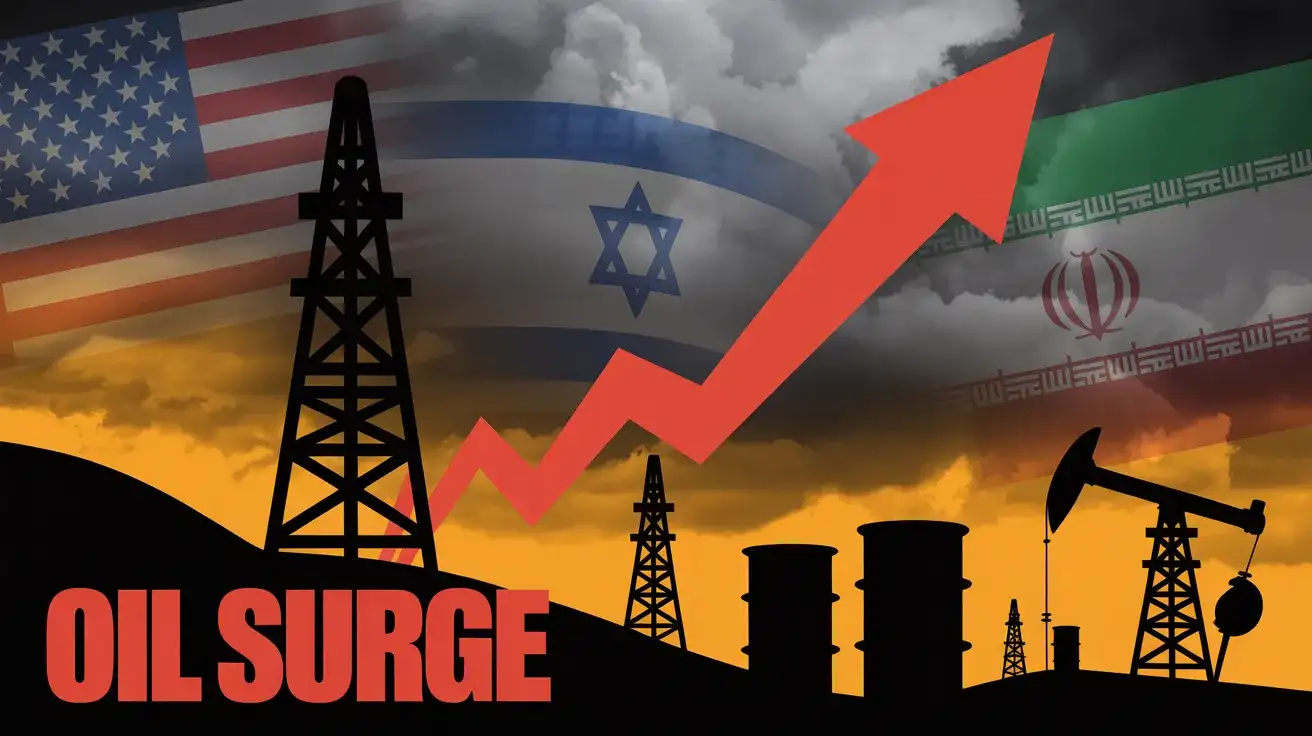
- Dallas Fed paper outlines scenarios in which a prolonged Strait of Hormuz disruption—up to nine months—could push oil prices to $167 per barrel and lift year-end U.S. headline inflation by as much as 1.8 percentage points
- U.S. PCE inflation was already at 2.8% in January, above the Fed's 2% target, meaning an additional 1.8-point rise from an oil shock would push it above 4%
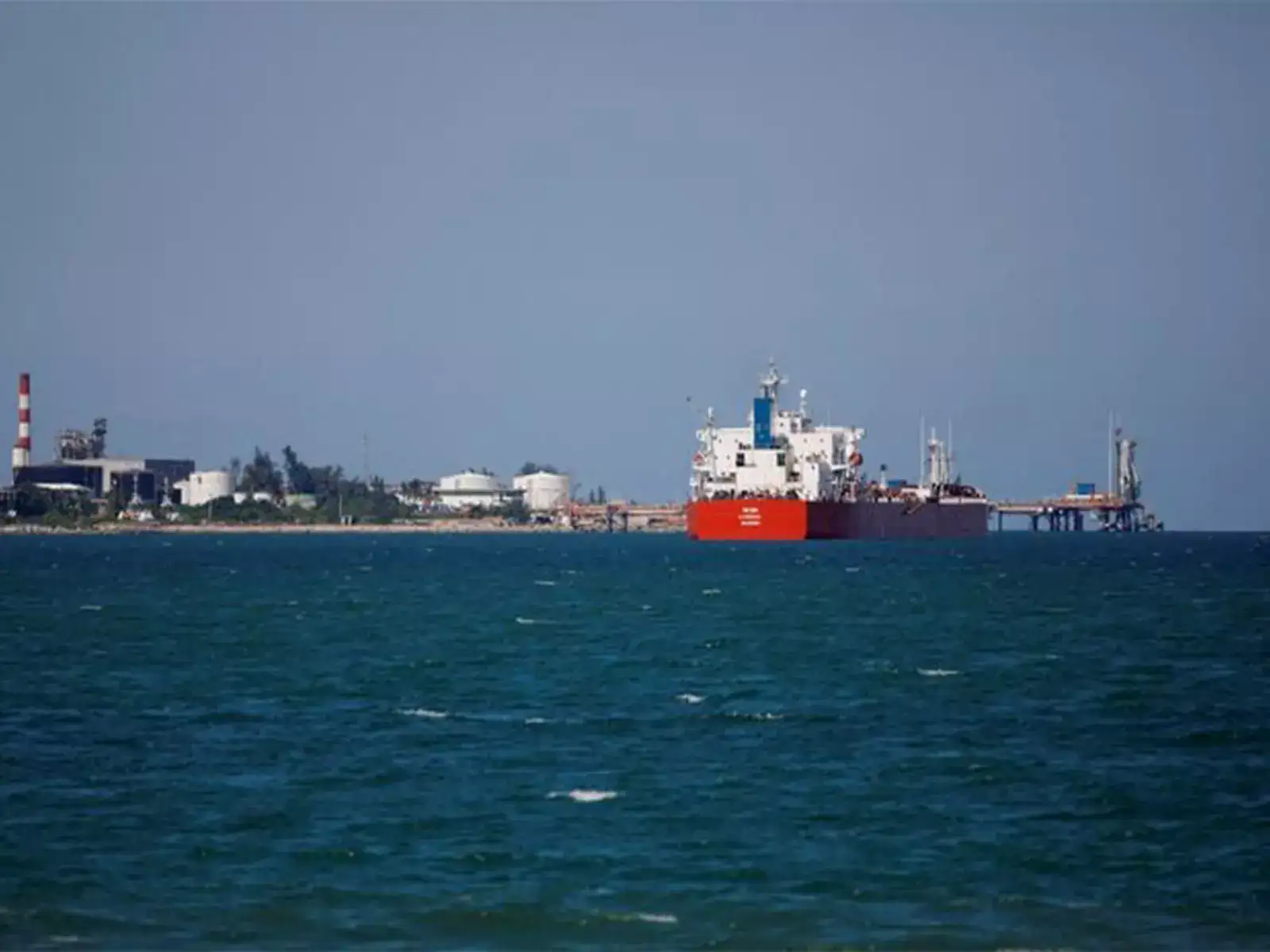
- Strait of Hormuz accounts for roughly a fifth of global oil flows and has faced significant disruption in recent weeks amid heightened military tensions, with the situation described as fragile
- Short-term closure lasting about one quarter would trigger a sharp but temporary inflation spike that moderates, whereas a prolonged disruption would have more lasting impact
- Core inflation (excluding food and energy) is expected to rise by less than half a percentage point even in a prolonged disruption scenario, shielding the Fed's preferred measure
- Long-term inflation expectations are likely to remain relatively stable, providing an anchor for monetary policy even as short-term household expectations rise modestly
- Ray Dalio separately warned that markets are not pricing the risk of what he called an ongoing 'World War,' amplifying concerns about geopolitical-driven market swings
Why it matters: The Fed is already fighting an inflation problem at 2.8% PCE; a 1.8-point oil-driven surge would push it well past 4%, forcing policymakers to weigh growth concerns against price stability with no easy off-ramp. Long-term inflation expectations holding steady gives the Fed some cover, but any entrenchment of second-round wage and pricing effects could delay rate cuts and keep borrowing costs elevated for households and businesses.
Ask SkimNews