UK Doctors Urge Flavour Limits After Vaping Review — SkimNews
Get the Health newsletter
Daily health & science — research, biotech, public health, the studies worth knowing. Free.
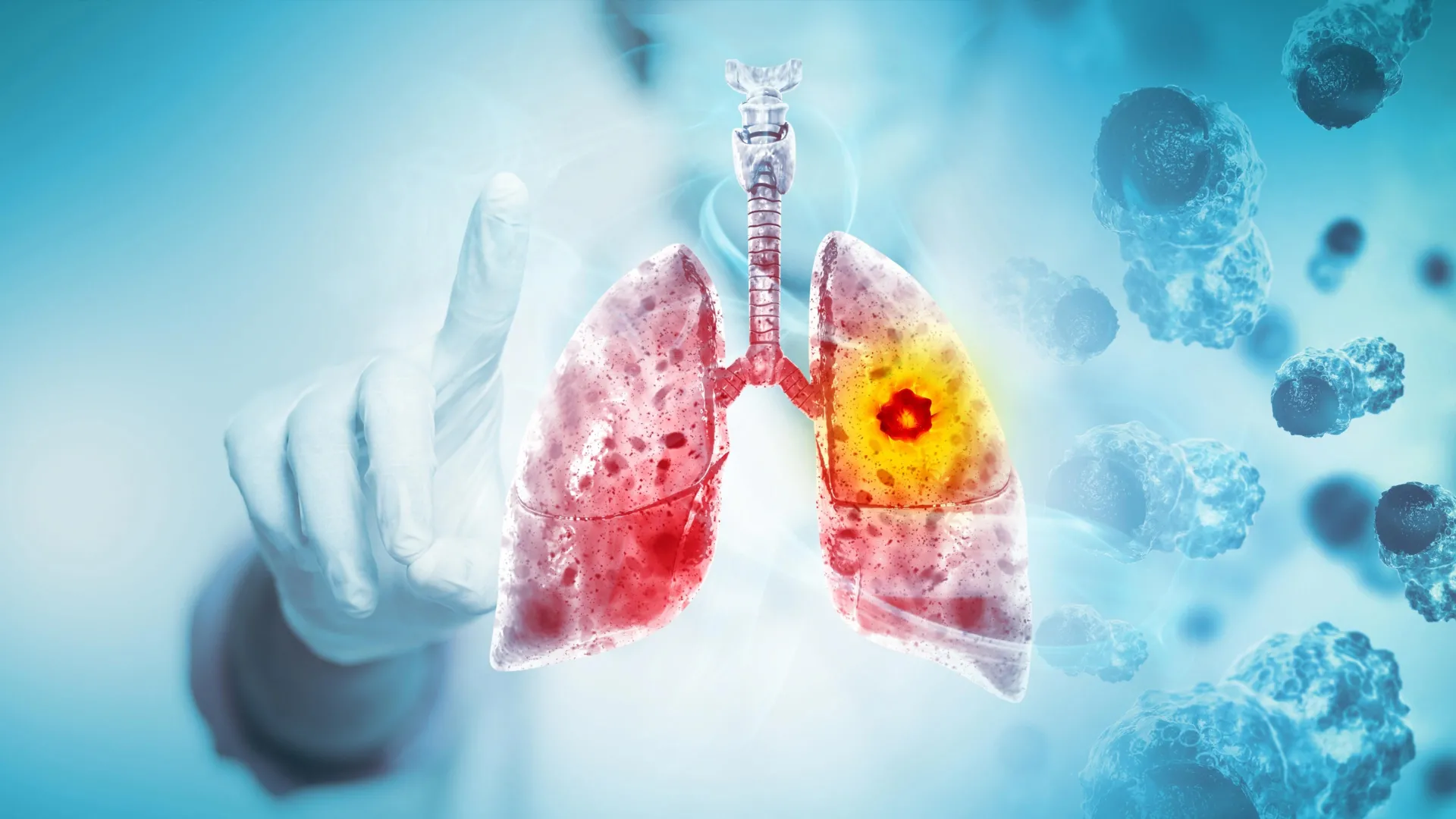
- RCPCH reviewed about 81 studies and found vaping linked to wheezing, coughing, poor oral and dental health, poor sleep, mental health problems, and eye symptoms in children and young people
- The systematic review also found evidence of harm in babies whose mothers used vapes while pregnant
- Co-author Prof Will Carroll said the evidence showed "clear links" between vaping and respiratory symptoms, nicotine dependence, and subsequent cigarette smoking
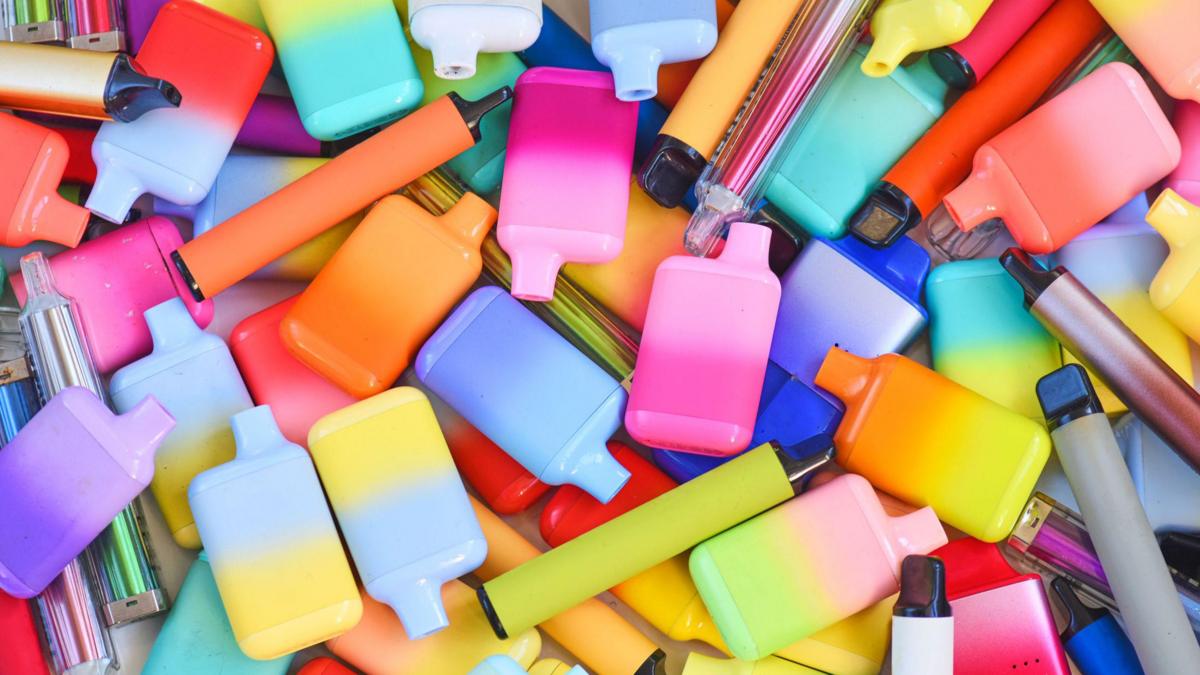
- RCPCH is calling on the UK government to limit the number of vape flavours available, going further than the government's plan to restrict flavour descriptions to simple terms like "apple" or "cola"
- The UK government launched a 12-week consultation in July proposing plain packaging and moving vapes out of sight in shops, similar to current tobacco display rules
- The recently passed Tobacco and Vapes Act bans cigarette sales to anyone born after 1 January 2009, creating the UK's first smoke-free generation — but RCPCH vice-president Dr Mike McKean warned it "must not be seen as a one-and-done solution"
- An Action on Smoking and Health poll found almost 1 in 5 11-to-17-year-olds in Britain have tried vaping, with the Department of Health and Social Care confirming single-use vapes are already banned and vape advertising/sponsorship will be banned from next year
Why it matters: With nearly 1 in 5 British 11-17 year-olds having tried vaping, the RCPCH's call to cap vape flavours escalates pressure on the UK government to go beyond its current 12-week packaging and display consultation — directly affecting brands selling flavoured and single-use products to young consumers.
Ask SkimNews