China evacuates nearly two million people as powerful typhoon makes landfall — SkimNews
SkimNews Take
Back-to-back major typhoons in a single week stress-test eastern China's evacuation infrastructure, revealing how concentrated peak-season storm activity compresses the recovery window between disasters.
Get the Energy newsletter
Daily energy & climate — solar, EVs, oil, the policy fights and tech bets shaping the transition. Free.
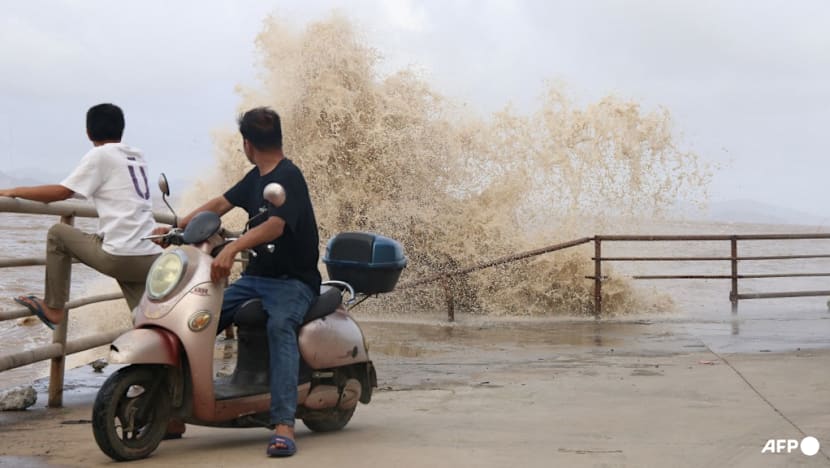
- Typhoon Bavi made landfall in coastal Taizhou before striking Wenzhou around midnight, spanning roughly 1,000 km at its widest — comparable to the width of France — and weakening to a severe tropical storm as it pushed northwest toward Hangzhou
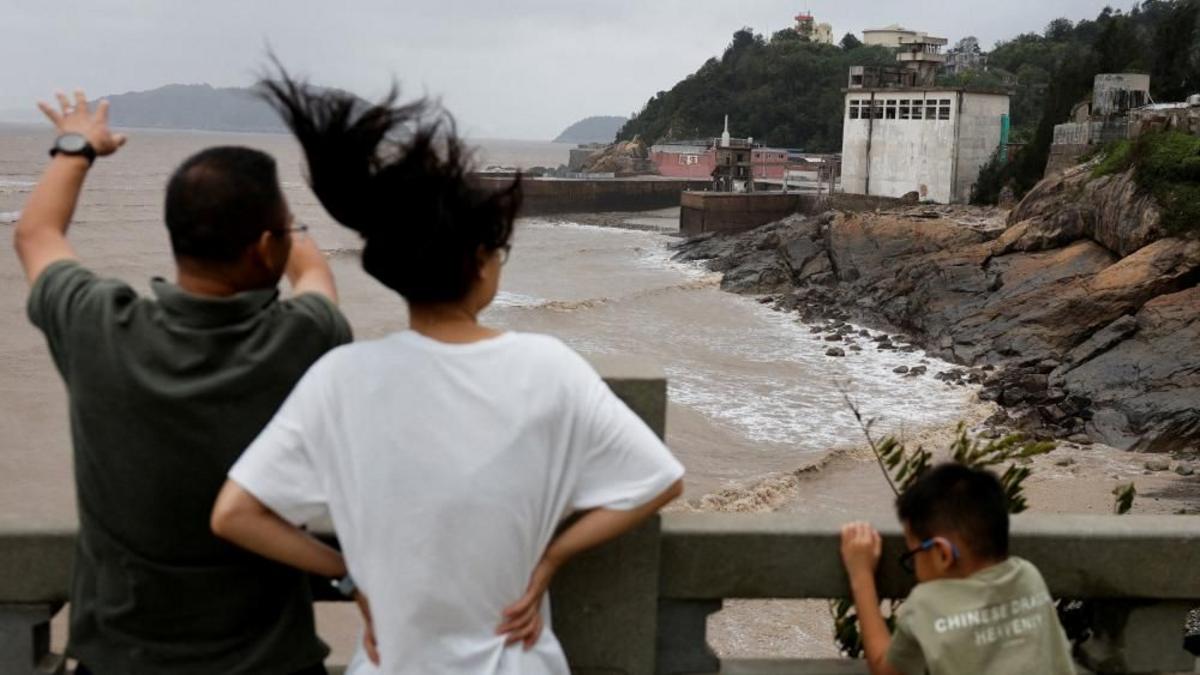
- Zhejiang province evacuated more than 1.7 million residents, suspended schools and outdoor activities, and cancelled 400 flights and dozens of train services, while Wenzhou (population ~10 million) moved hundreds of thousands out of the storm's path
- Beijing ordered the evacuation of 100,000 people 'to avoid risk,' and forecasters tracked Bavi toward eastern Anhui on Monday and the northern Yellow Sea off the Shandong Peninsula by Tuesday
- Bavi's earlier trail killed at least 17 people in Philippine landslides, battered Guam and the Northern Mariana Islands as a super typhoon with 290 km/h winds, and injured at least five and cut power on Japan's Sakishima islands
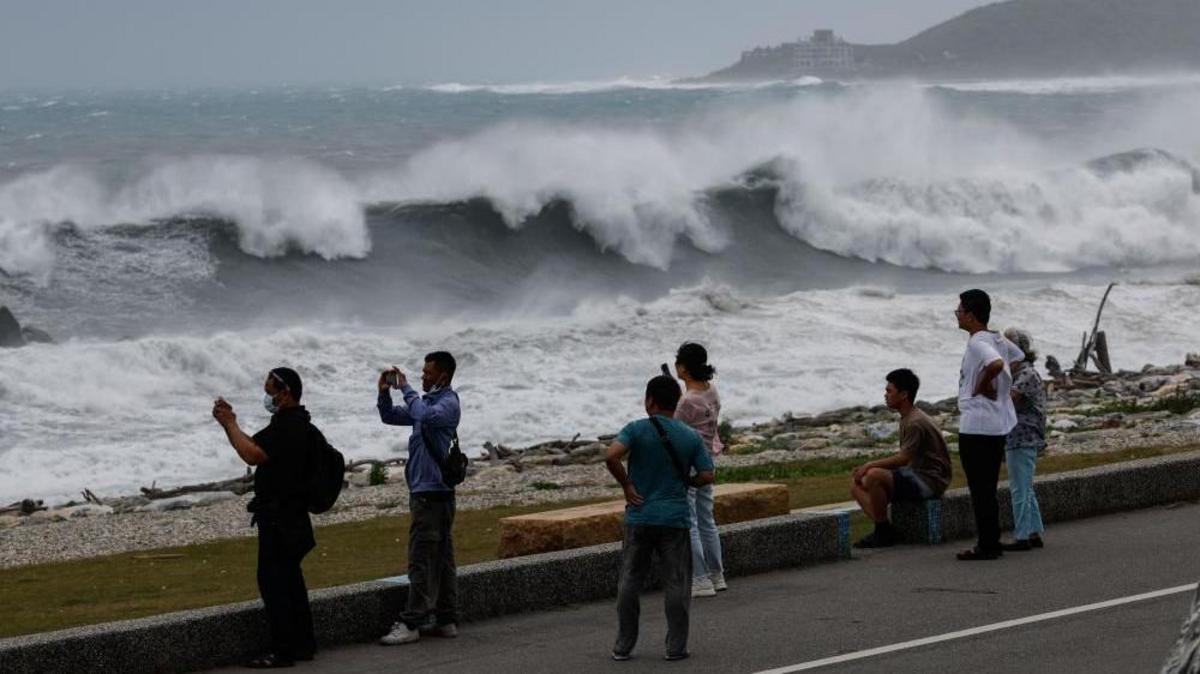
- Taiwan escaped a direct hit but saw heavy rainfall, thousands of evacuations, cancelled flights, and warnings of up to 1 m (39 inches) of rain, with no deaths reported
- Typhoon Maysak, which struck southern China earlier in the week, killed at least 39 people, devastated livestock and agriculture, and spawned two rare tornadoes in Hubei province
Why it matters: Bavi is China's second destructive typhoon within days, following Maysak's confirmed death toll of 39 and major agricultural losses — meaning the country's disaster-response systems, supply chains, and farming output in Zhejiang, Anhui, and Hubei are absorbing back-to-back shocks that strain evacuation logistics for nearly two million displaced residents.
Ask SkimNews