Oceans Hit Record 21.1°C as El Niño Builds — SkimNews

Get the Energy newsletter
Daily energy & climate — solar, EVs, oil, the policy fights and tech bets shaping the transition. Free.
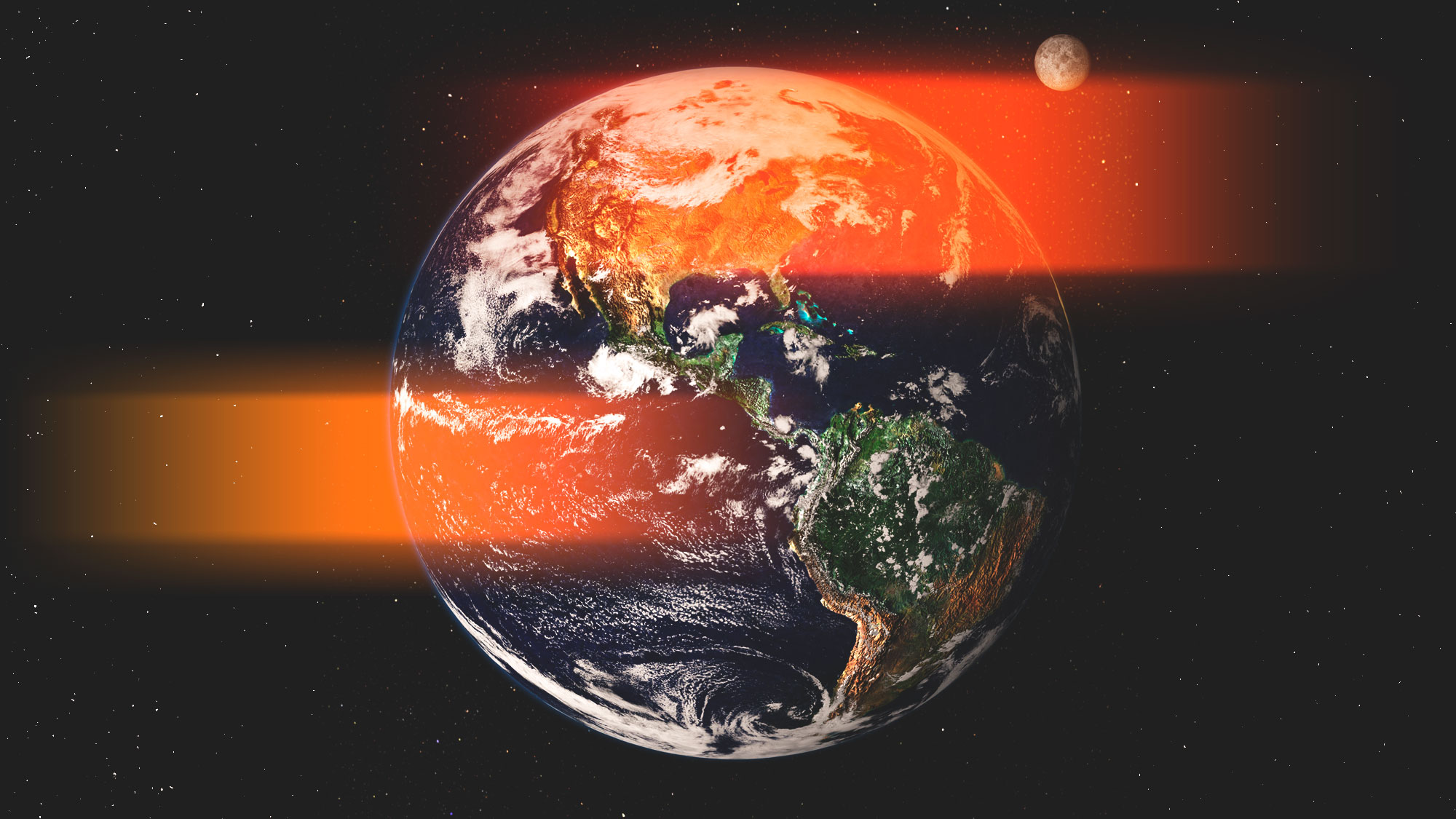
- European Copernicus climate change service recorded average sea surface temperatures of 21.1°C on Saturday, edging past the 21.09°C record set on three separate days in March 2024.
- The record's August timing is unusual because global sea temperatures typically peak in March or April at the end of southern hemisphere summer, not mid-year.
- El Niño is still strengthening toward a Christmas peak, with scientists warning it is on course to be the strongest in centuries.
- Dr Jeremy Grist of the National Oceanography Centre said he expects the ocean temperature record to be broken again by March or April 2027 as El Niño peaks.
- The western English Channel has been under near-continuous marine heatwave conditions for more than three years, peaking 7°C above normal in July, according to Prof Tim Smyth of Plymouth Marine Laboratory.
- The oceans absorb more than 90% of excess heat from human greenhouse gas emissions, with warmer seas already intensifying extreme weather, raising sea levels, and devastating marine habitats such as coral reefs, per the article.
Why it matters: Sea temperatures typically peak in March or April, not August, so a record this far ahead of El Niño's December peak means marine heat stress is hitting ecosystems months before the natural cycle delivers the worst. With the Channel already three years into a heatwave at 7°C above normal, the thermal load on coastal communities, fisheries, and storm systems is compounding well ahead of seasonal norms.
Ask SkimNews