Scientists say most of what’s in your food is still a mystery — SkimNews
Get the Health newsletter
Daily health & science — research, biotech, public health, the studies worth knowing. Free.
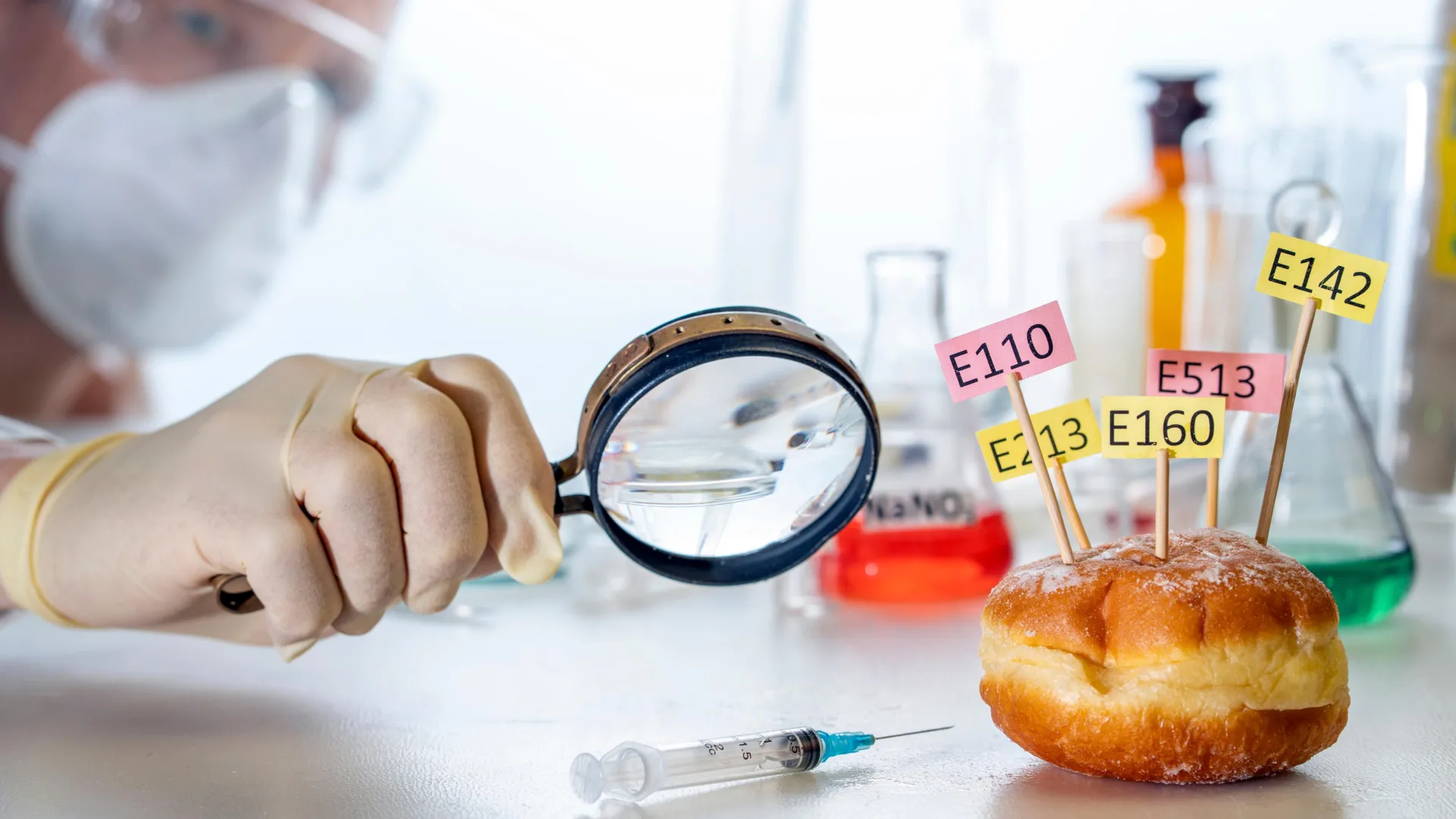
- Scientists estimate the human diet delivers more than 26,000 chemical compounds, yet only about 150 — proteins, carbohydrates, fats, and vitamins — have been well-studied, leaving the rest as what researchers call "nutritional dark matter."
- Poor diet is linked to roughly one in five deaths among adults aged 25 and older worldwide and accounts for nearly half of all cardiovascular deaths in Europe, according to the source.
- The Foodome Project has already catalogued more than 130,000 molecules, linking food compounds to human proteins, gut microbes, and disease processes in an effort to build an atlas of diet–body interactions.
- TMAO, a molecule produced when gut bacteria metabolize compounds in red meat and eggs, raises heart disease risk — but garlic contains substances that block its production, illustrating how single foods can tip the balance between harm and benefit.
- The emerging field of foodomics combines genomics, proteomics, metabolomics, and nutrigenomics to map how food chemistry interacts with the body beyond calories and vitamins.
- Dutch famine studies showed children whose mothers endured starvation during World War II had altered gene activity and higher rates of heart disease, type 2 diabetes, and schizophrenia — demonstrating that diet can switch genes on or off via epigenetics.
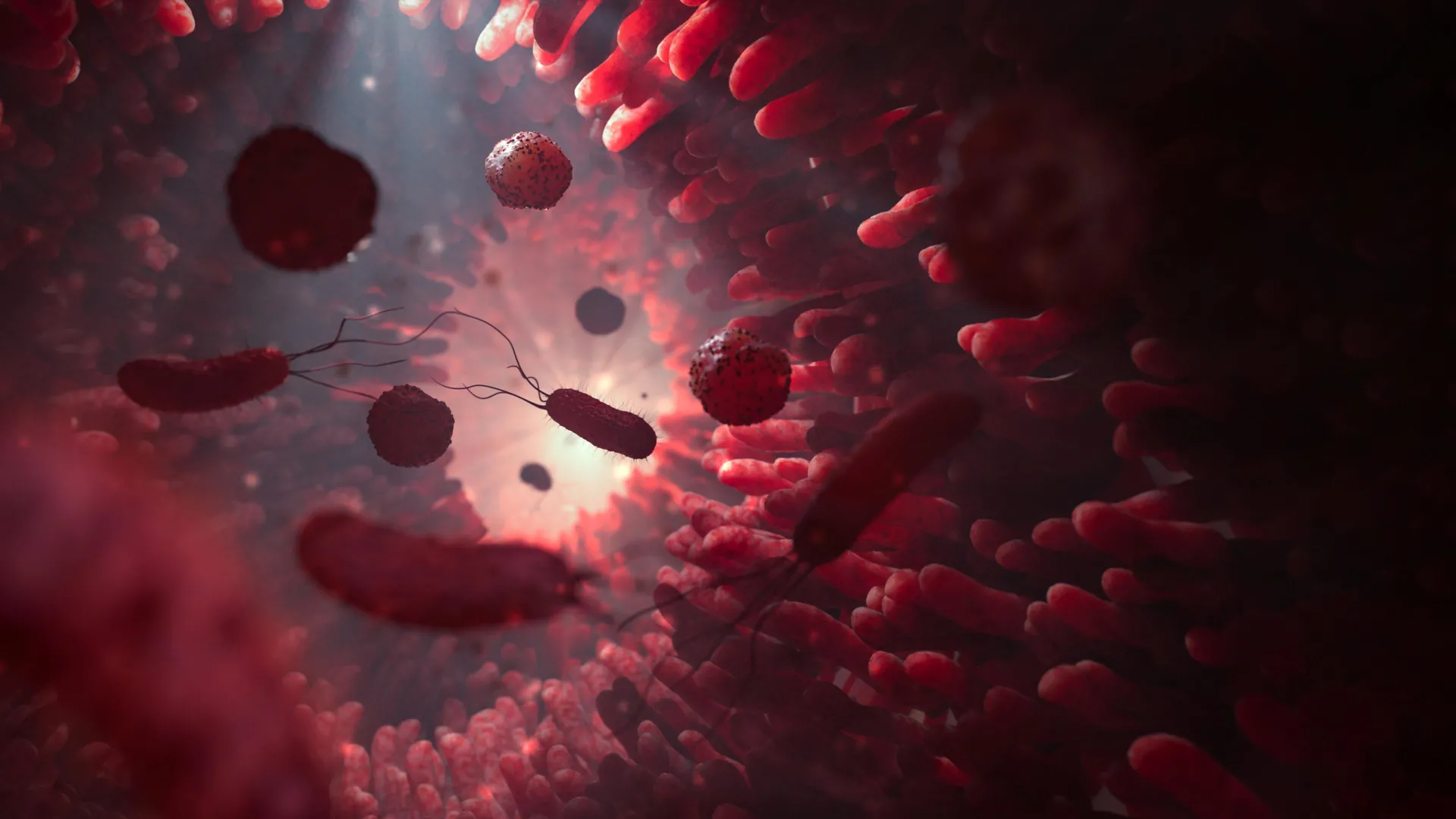
- Gut bacteria convert ellagic acid from fruits and nuts into urolithins, compounds that help keep mitochondria (the body's energy factories) healthy, showing microbes as a hidden middle layer between food and health.
Why it matters: Decades of advice built on the ~150 known nutrients have failed to reverse rising obesity and diet-related disease — a gap the source attributes to the uncharted 26,000+ compounds. The Foodome Project's existing catalogue of 130,000 molecules signals that personalized nutrition, new drug targets, and answers to why diets work for some people and not others may emerge once the dark matter of food is mapped.
Ask SkimNews