Boeing's Decade of Safety Scandals Cost Shareholders — SkimNews
Get the Finance newsletter
Daily finance — markets, central banks, M&A, the prints that move money. Free.
- Boeing's stock fell 18.7% over the 10 years ending April 1, while the S&P 500 gained more than 65% over the same period — a stark measure of how safety and culture crises destroyed shareholder value.
- A string of disasters — Lion Air Flight 610 (189 dead, October 2018), Ethiopian Airlines Flight 302 (157 dead), an Alaska Air MED plug blowout in January 2024, and the Starliner stranding that left astronauts in space for nine months — have collectively dismantled Boeing's bellwether reputation.
- Boeing borrowed $50 billion from the US government and suspended its dividend in 2020, and today is one of just three Dow Jones Industrial Average members that don't pay a dividend.
- Critics blame Boeing's corporate culture for prioritizing profits over safety, citing allegations of lax governance and ignored whistleblowers — claims the source flags as warranting investor due diligence.
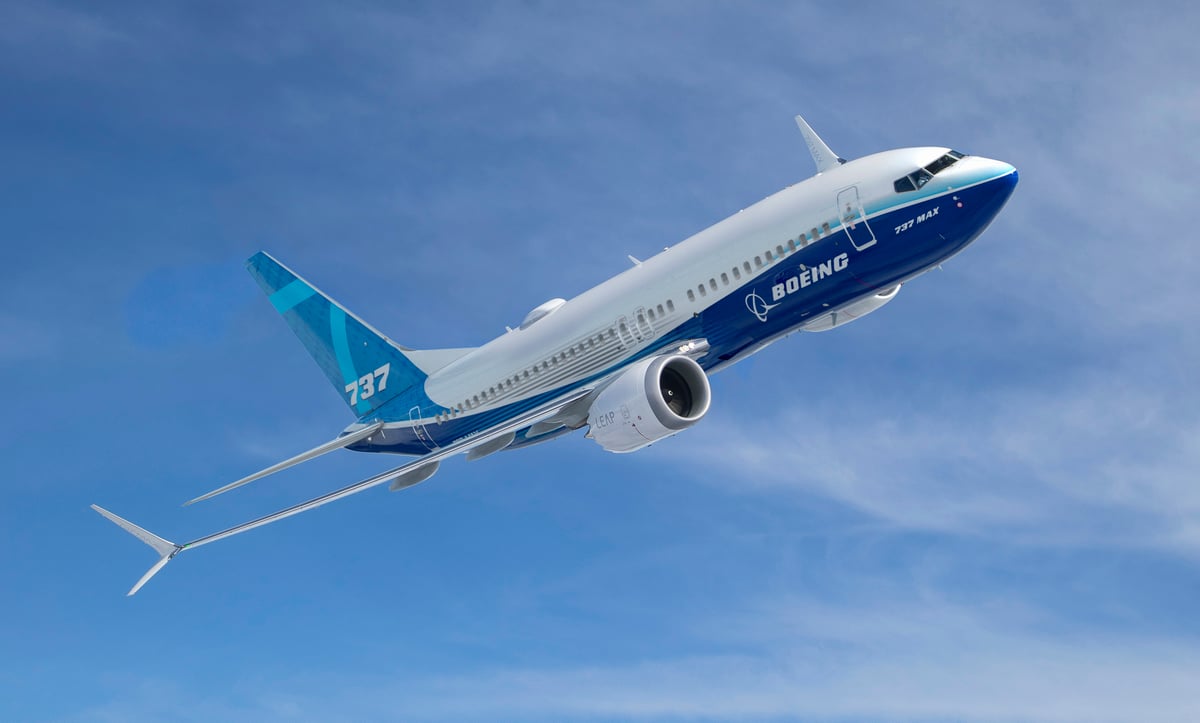
- 737 MAX production is now hitting consistency targets and deliveries are picking up momentum, though one analyst expects "incremental failures" tied to the design and production of the 737 MAX and 787, which account for a large share of Boeing's projected long-term revenue.
- Boeing must walk a fine line between debt reduction and reinvestment, but analysts see room for the company to generate cash flow and grow EBITDA while trimming debt.
Why it matters: For Boeing, the 18.7% decade-long stock loss against the S&P 500's 65% gain quantifies what safety and culture failures cost shareholders — and the stock remains one of just three Dow components paying no dividend. Investors considering Boeing today are betting that stabilizing 737 MAX production and shrinking debt can outweigh unresolved cultural and design issues that critics say caused the crashes in the first place.
Ask SkimNews