Boeing Down 14% Post-Earnings: FCF Gap Fuels Skepticism — SkimNews

Get the Finance newsletter
Daily finance — markets, central banks, M&A, the prints that move money. Free.
- Boeing stock is down 14% since its Jan. 27 earnings report, underperforming the S&P 500 over that span.
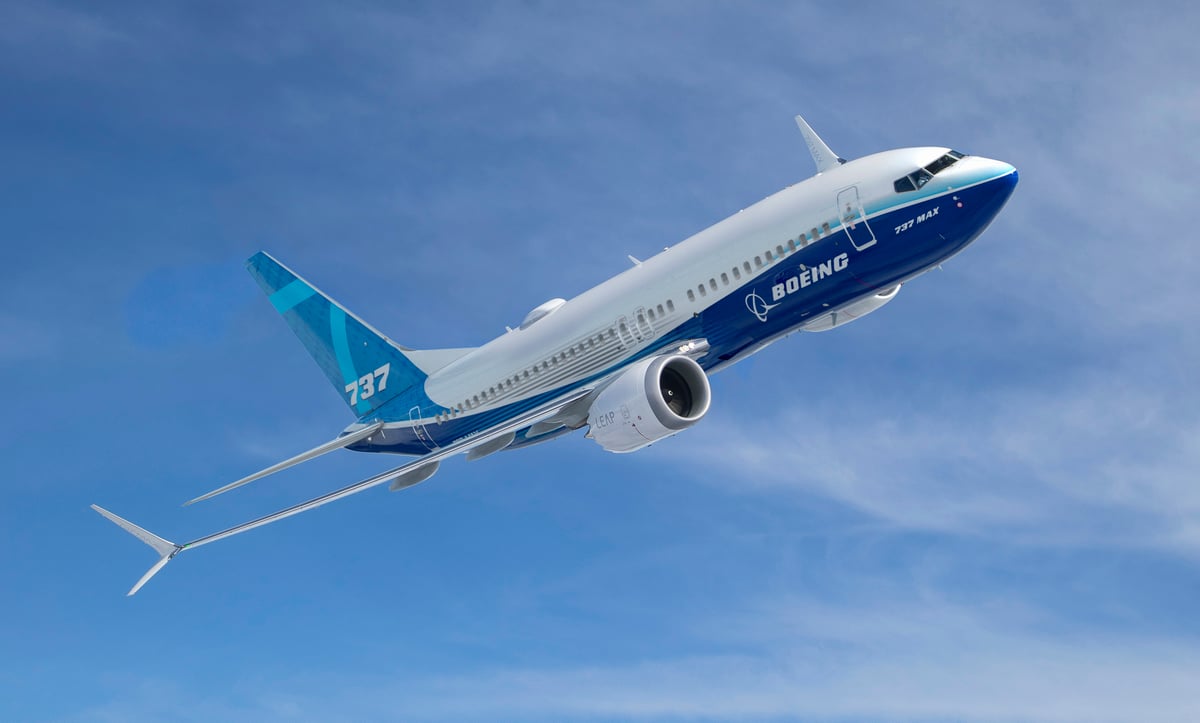
- Boeing has a $682 billion total backlog, with more than $560 billion at Boeing Commercial Airplanes, and is ramping 737 MAX deliveries in 2026.
- CFO Jesus Malave guided to $1-3 billion in 2026 FCF, said the prior $10 billion target is 'very obtainable,' and framed current drag as 'high single digits' once temporary factors clear.
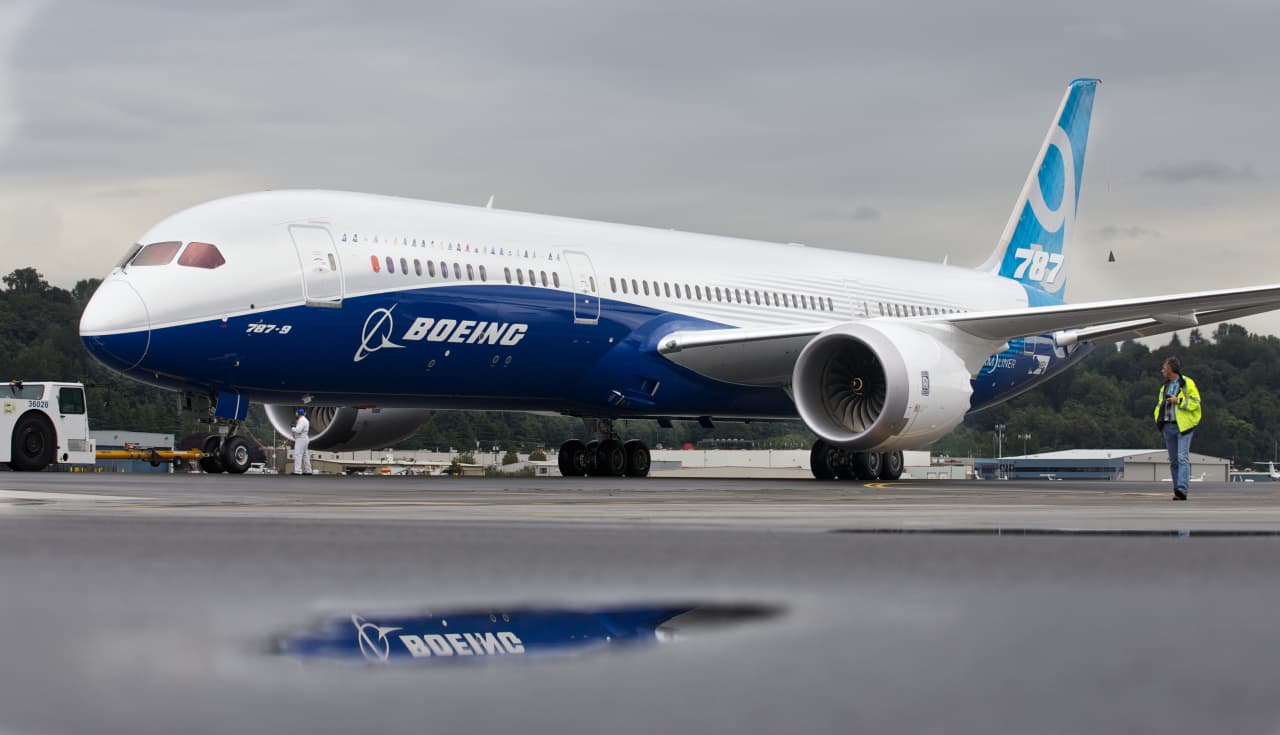
- Temporary factors Malave cited: 777X certification delays, customer compensation for prior 737 MAX and 787 delivery delays, runoff of fixed-price development charges at Boeing Defense, Space & Security, and a capex spike for 'supporting growth in a stable production system.'
- The historical gap: Before the late-2018/2019 737 MAX crashes, Boeing generated $13.7 billion in FCF; at its current $165.7 billion market cap, that level would price the stock at 12.1x FCF — but the same category of 'temporary' setbacks has reappeared quarter after quarter.
- The article's buy-in test: Investors should wait for several blemish-free quarters — no certification issues, no delivery delays, no BDS charges, no quality problems — before buying, even as management is 'given the benefit of the doubt.'
Why it matters: The gap between Boeing's $1-3 billion 2026 FCF guide and the $10 billion target Malave called 'very obtainable' is bridged entirely by factors labeled 'temporary' — 777X delays, 737 MAX/787 customer compensation, and BDS fixed-price charges. With the stock at a $165.7 billion market cap versus $13.7 billion in pre-crash FCF, the investment case turns on whether Boeing can finally deliver clean execution after years of the same promised-but-undelivered recovery.
Ask SkimNews