Ukraine-Russia Energy War Stalemate Deepens — SkimNews

Get the Geopolitics newsletter
Daily geopolitics — wars, elections, sanctions, the diplomatic moves that move markets. Free.
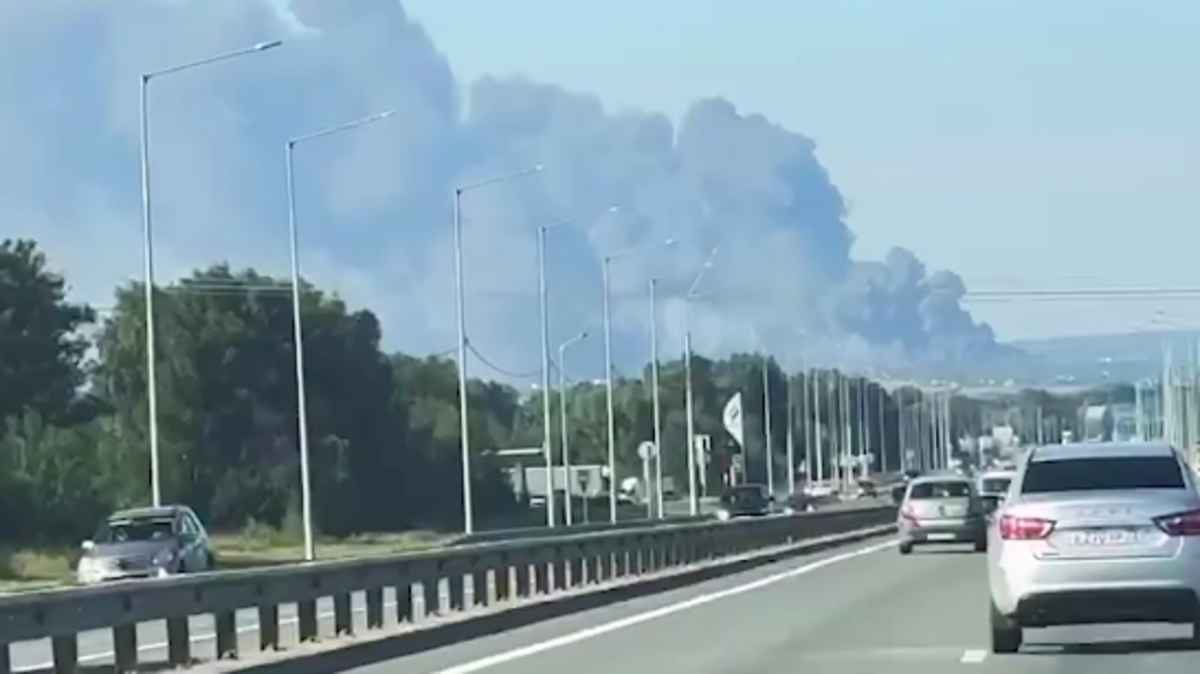
- Ukraine has reduced Russian refinery throughput by roughly 30% since mid-2025 through drone strikes, including successful October attacks on facilities as far as 1,800 miles from its border.
- Russia launched an estimated 12,800 missiles and drones at Ukrainian energy facilities in 2025 and early 2026, a massive escalation from 2,800 during the war's first three years.
- The U.S. under Trump has demanded Ukraine suspend refinery attacks and entered a deal waiving sanctions on Russian diesel exports, complicating Kyiv's efforts to pressure Moscow.
- Ukraine's grid has stayed operational through nuclear power, imports, and distributed generation, but localized attacks have caused widespread blackouts and left thousands of Kyiv apartments without alternative heat.
- Russia is compensating for refinery damage by loosening fuel standards, subsidizing imports, and using rail transport, measures that impose costs on consumers, companies, and the state.
Why it matters: The stalemate imposes a severe economic burden on both nations, weakening Ukraine's tax base and increasing its need for foreign aid while forcing Russia to absorb the costs of degraded refining capacity. Neither side can gain a decisive advantage through energy attacks alone, setting a precedent for future warfare.
Ask SkimNews