Stanford Builds Mice With Half-Human Brains — SkimNews
Get the Health newsletter
Daily health & science — research, biotech, public health, the studies worth knowing. Free.
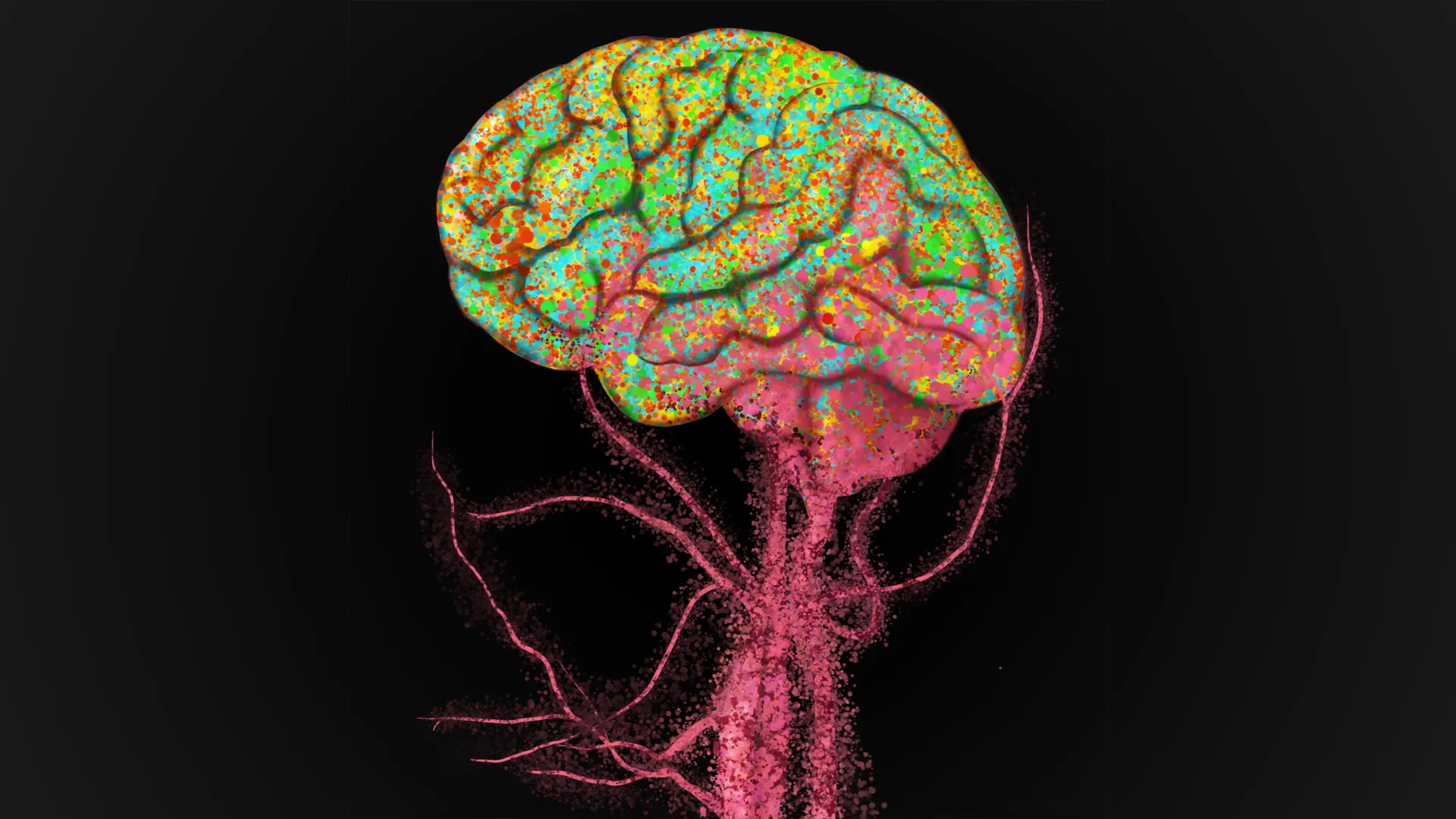
- Sergiu Pașca and Stanford colleagues transplanted lab-grown human brain cells into mice genetically engineered to lack a cortex and hippocampus, creating rodents whose brains ended up about half human by volume — ~4 million human cells replacing ~14 million missing mouse cells.
- Each newborn mouse received several injections of roughly 100,000 human brain cells derived from reprogrammed donated skin cells, and within three months the human tissue had hooked into the mouse's blood supply and formed connections with mouse brain cells and spinal cord.
- The human tissue contained rare von Economo neurons previously seen only in postmortem exams — cells among the first to die in frontotemporal dementia, a rare form of the disease Pașca now plans to study in the 'xenocortical' mice.
- When exposed to five hours of low oxygen, the mice demonstrated how vulnerable human neurons are to oxygen deprivation, modeling the kind of injury that causes cerebral palsy in pregnancy and birth.
- The human tissue remained immature — equivalent to a brain halfway through human pregnancy — and the mice were not enhanced by the transplants, though their shaky gait and memory problems improved slightly, per the Nature paper.
- Emily Jackson of the London School of Economics and the Nuffield Council on Bioethics said animal welfare is 'a really important concern' and that the implanted mice will need close monitoring, while Madeline Lancaster of the MRC Laboratory of Molecular Biology called the setup 'rather artificial' and said the broader field is still aiming for fully in vitro solutions.
Why it matters: Pașca's team gives brain-disorder researchers a living laboratory in which human neurons can be studied in ways impossible with petri dishes or postmortem tissue — directly relevant to the ~14 million mouse cells of empty space the new mice carry, with immediate plans to model frontotemporal dementia and cerebral palsy that have resisted decades of drug development in psychiatry and neurology.
Ask SkimNews