Leukemia Drug Response Hinges on NUDT5 Protein Removal — SkimNews
Get the Health newsletter
Daily health & science — research, biotech, public health, the studies worth knowing. Free.
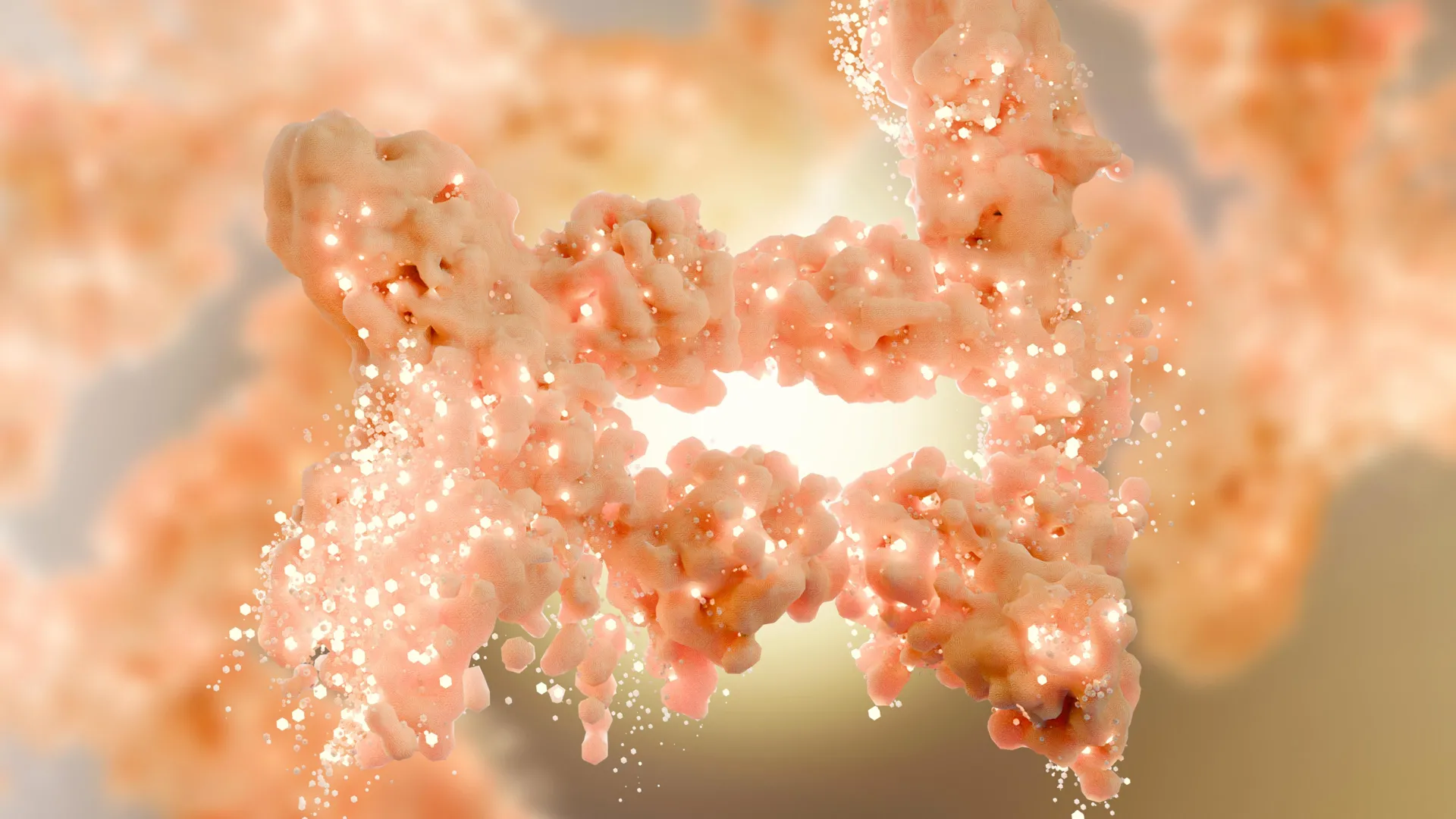
- CeMM and University of Oxford researchers found that removing the protein NUDT5 from cells protected them from 6-thioguanine toxicity, while conventional NUDT5 enzyme inhibitors had little effect.
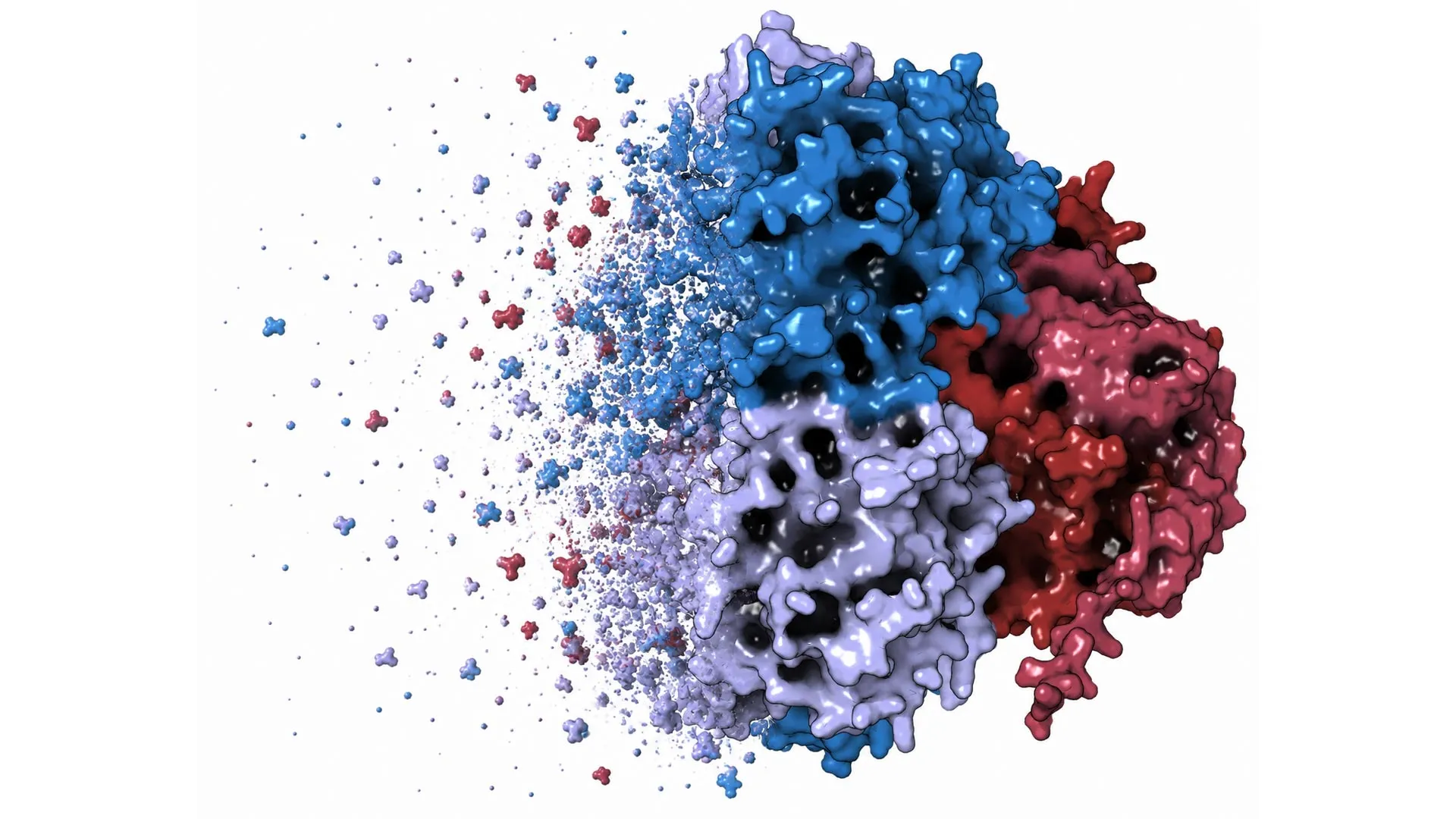
- The team developed a targeted protein degrader called dNUDT5 that eliminates NUDT5 entirely, alongside matched control compounds that bind the protein without destroying it.
- Stefan Kubicek and colleagues extended their earlier Science (2025) finding that NUDT5 acts as a molecular scaffold organizing cellular metabolism — a function independent of its enzymatic activity.
- NUDT5 and the protein NUDT15 were found to have opposing effects on thiopurine sensitivity: loss of NUDT15 increases sensitivity to 6-TG, while loss of NUDT5 increases resistance.
- Co-first author Anne-Sophie Marques said the platform-guided medicinal chemistry at Oxford produced dNUDT5 as their most active degrader, enabling the catalytic-versus-structural comparison.
- The study, published in Nature Communications, was a collaboration between CeMM, the University of Oxford, the Weizmann Institute of Science, and the University of Dundee.
Why it matters: Thiopurine drugs like 6-thioguanine have been used for 70 years, yet clinicians have never fully understood why patient responses vary. The work pins part of that variability on NUDT5's non-catalytic role, and gives drug discovery a methodological lesson: conventional enzyme inhibitors can miss biology that degrader-based tools reveal.
Ask SkimNews