Democrats Split on US-Iran Deal: 'Surrender' or End to War? — SkimNews
Get the Geopolitics newsletter
Daily geopolitics — wars, elections, sanctions, the diplomatic moves that move markets. Free.
- The US and Iran announced a memorandum of understanding on Sunday extending the ceasefire for 60 days and reopening the Strait of Hormuz, with the Trump administration claiming diplomatic victory.
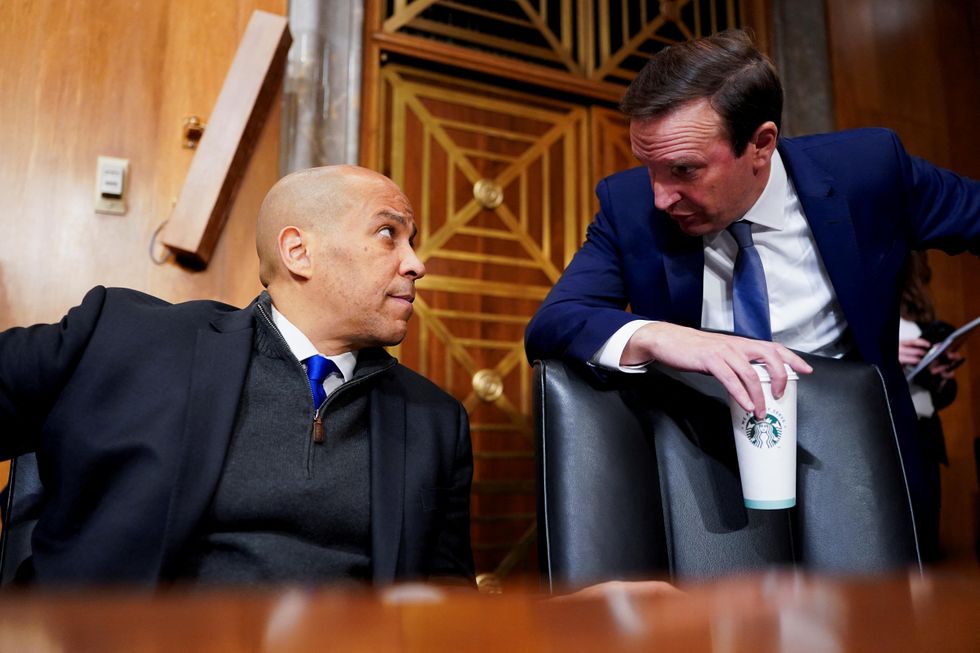
- Sen. Chris Murphy (D-Conn.) called the deal 'essentially surrender,' arguing Iran made only one concession — opening the Strait — which he said 'wasn't even a concession because the Strait was open before the war,' and accused Trump of accomplishing 'none of his goals.'
- Sen. Cory Booker (D-N.J.) blasted the deal as 'an utter disaster,' warning the US will be 'releasing billions of dollars' to Tehran to rebuild its military and fund proxy groups in the region.
- Rep. Brad Schneider (D-Ill.), on the House Foreign Affairs Committee, said he was waiting to see whether the MOU would 'block, and then permanently close any path for Iran to obtain a nuclear weapon' and address Iran's proxies, signaling that anything short would be a 'bad deal.'
- Rep. Ro Khanna (D-Calif.) and progressive strategists like Erik Sperling of Just Foreign Policy pushed back on the criticism, arguing Democrats should support the deal because 'gas and food costs will start coming down' and 'no more American or civilian lives will be lost.'
- Sperling warned that Democratic attacks on the deal 'aid people like Mark Levin and others actively trying to undermine the deal, and serves the interests of Netanyahu and the extremists around him,' while the deal 'still hangs in the balance.'
- The Democratic Party's response to the war has been inconsistent since before fighting began in late February, with leadership reportedly slow-walking an initial war powers vote before the caucus eventually coalesced around opposition — Khanna credited the recent congressional war powers votes as 'a wake up call' that pushed Trump toward a deal.
Why it matters: The 60-day ceasefire is fragile, and the source makes explicit that Democratic criticism of the deal 'aids people like Mark Levin and others actively trying to undermine the deal' while serving Netanyahu's interests, per Sperling. Khanna argues the war powers votes were the very mechanism that brought Trump to the table — so the same party's attacks on the final deal could undercut the legislative pressure that produced it.
Ask SkimNews