First US cryptomine runs on cow manure at NY dairy — SkimNews

Get the Energy newsletter
Daily energy & climate — solar, EVs, oil, the policy fights and tech bets shaping the transition. Free.
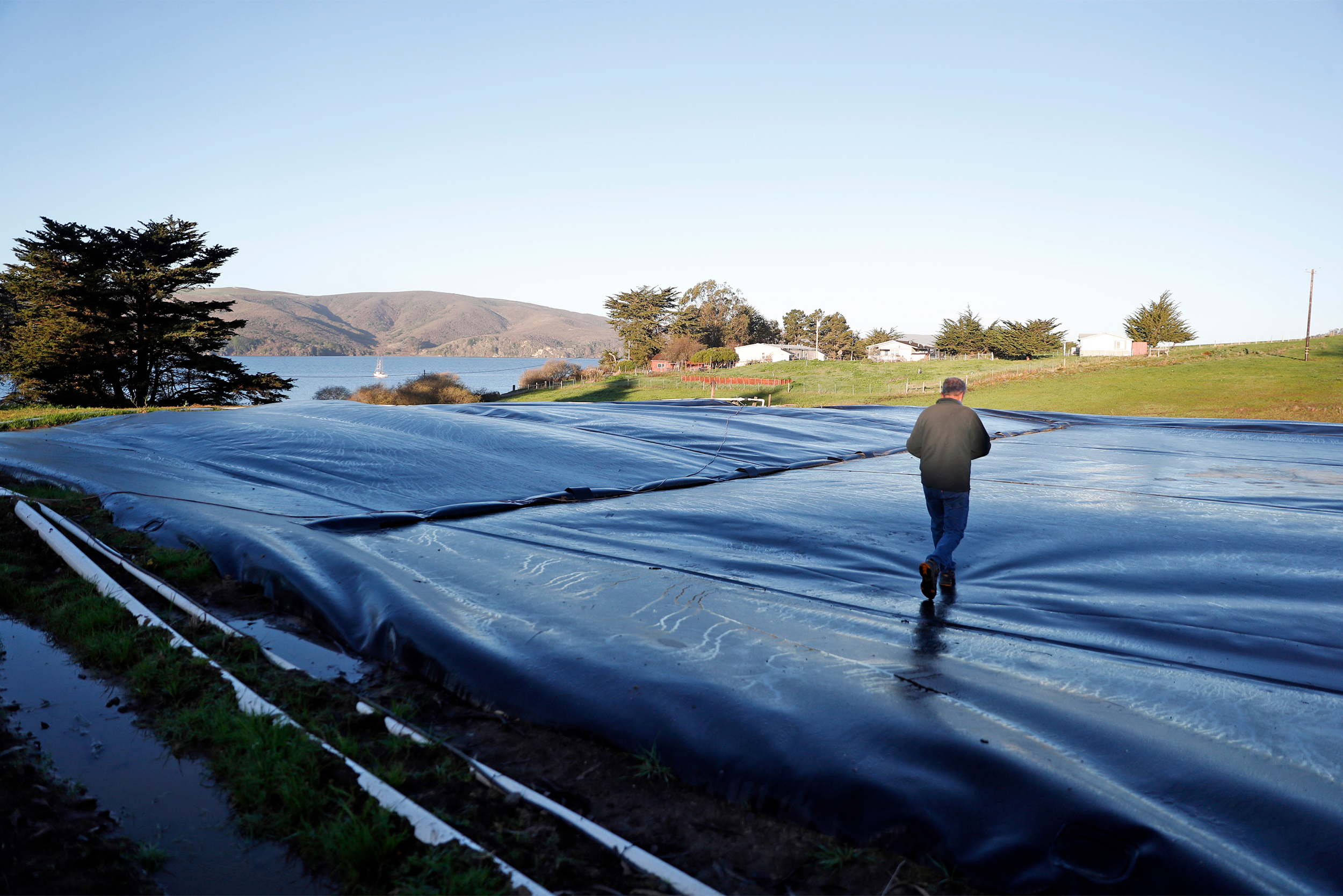
- Ag-Grid Energy operates what it calls the country's first cryptomine powered by manure-derived biogas at Lent Hill Dairy Farm in Steuben County, NY, where 4,000 cows and 45,000-plus gallons of daily food waste feed two anaerobic co-digesters — founder and CEO Rashi Akki says she wants to expand the model to power small-scale AI data centers in rural areas.
- Data centers consume 4.9% of US electricity, a figure that could double by 2030, driving tech giants to pursue renewable natural gas from manure digesters as a drop-in fuel that requires no infrastructure changes.
- Microsoft has partnered with Enchanted Rock in California for RNG backup power, while Vanguard Renewables — a BlackRock portfolio company — already operates more than 50 co-digesters nationwide and aims to have more than 100 completed projects by the end of 2028.
- In November 2025, TotalEnergies signed a 15-year deal with Google to supply solar energy for the company's Ohio data center operations, illustrating the broader power scramble hyperscalers face.
- The USDA extended a moratorium on anaerobic digester loans through the end of 2025; agency data shows 11% of the country's 746 project lenders were over 90 days delinquent.
- World Resources Institute research finds digesters reduce manure methane by only about 25%, and a Friends of the Earth analysis found dairies with digesters grew their herds by 3.7% annually — what Johns Hopkins researcher Brent Kim calls 'pollution swapping' as ammonia and other pollutants can increase.
Why it matters: Critics argue this gives a struggling manure-to-energy industry a fresh lifeline at the cost of rural communities — USDA data shows 11% of digester lenders were delinquent enough to trigger a moratorium, while research finds digesters cap methane cuts at ~25% and the dairies that install them expand their herds 3.7% a year, scaling factory farms rather than replacing them.
Ask SkimNews