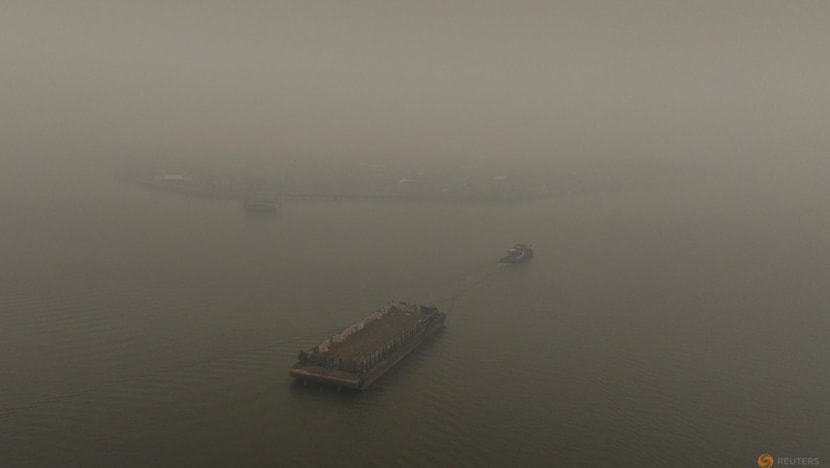
‘The physical toll is visceral’: How Indonesia’s fire haze affects millions - visual guide — SkimNews

Get the Energy newsletter
Daily energy & climate — solar, EVs, oil, the policy fights and tech bets shaping the transition. Free.
- Fires across Indonesia's Sumatra and Kalimantan have burned at least 895,657 hectares since January, 34% worse than 2019 per Nusantara Atlas data.
- Respiratory illness cases in hardest-hit provinces more than doubled to 113,336 by September 9, up from 50,891 on September 1.
- Sampit, central Kalimantan recorded an air quality index of 1,142 on September 10 — the worst "maroon" hazardous rating per IQAir — as daily readings stayed hazardous throughout September.
- Indonesia's fire emissions in the first week of September hit 19.7 million metric tons, more than a third of the global total per the EU's Copernicus service.
- Transboundary haze carried by monsoonal winds reached Manila and prompted indoor-stay advisories, while Malaysia urged ASEAN to review the 2003 transboundary haze agreement.
- Indonesia's environment ministry is investigating 19 companies allegedly linked to the fires and has arrested 113 people on suspicion of starting them.
- Peatland fires burn underground for weeks and resist water-based suppression, a legacy of 50 years of deforestation that landscape ecologist David Gaveau says makes them the "apex predator" of fires.
Why it matters: Indonesia's fire season is on track to surpass 2019, the region's worst recent haze year, with AQI readings above 1,100 in Kalimantan and respiratory cases topping 113,000 in under two weeks. Enforcement remains thin — 113 arrests and 19 company probes against nearly 900,000 burned hectares — and experts warn a super El Niño will keep fire conditions critical through November.
Ask SkimNews