Six ways to keep your home and yourself cool in hot weather — SkimNews

Get the Energy newsletter
Daily energy & climate — solar, EVs, oil, the policy fights and tech bets shaping the transition. Free.
- Energy Saving Trust figures show running a freestanding fan costs 15p–31p over 24 hours, while continuous air conditioning costs £4.84–£6 — making fans roughly 20–40 times cheaper for daily cooling.
- Prof Mike Tipton of the University of Portsmouth warns that using a fan when temperatures exceed 35°C can make things worse, because the device simply directs hot air at the body.
- The same professor cautions against very cold showers, explaining that extreme cold causes the body to restrict blood flow to the skin and trap heat internally — a tepid shower is more effective at cooling.
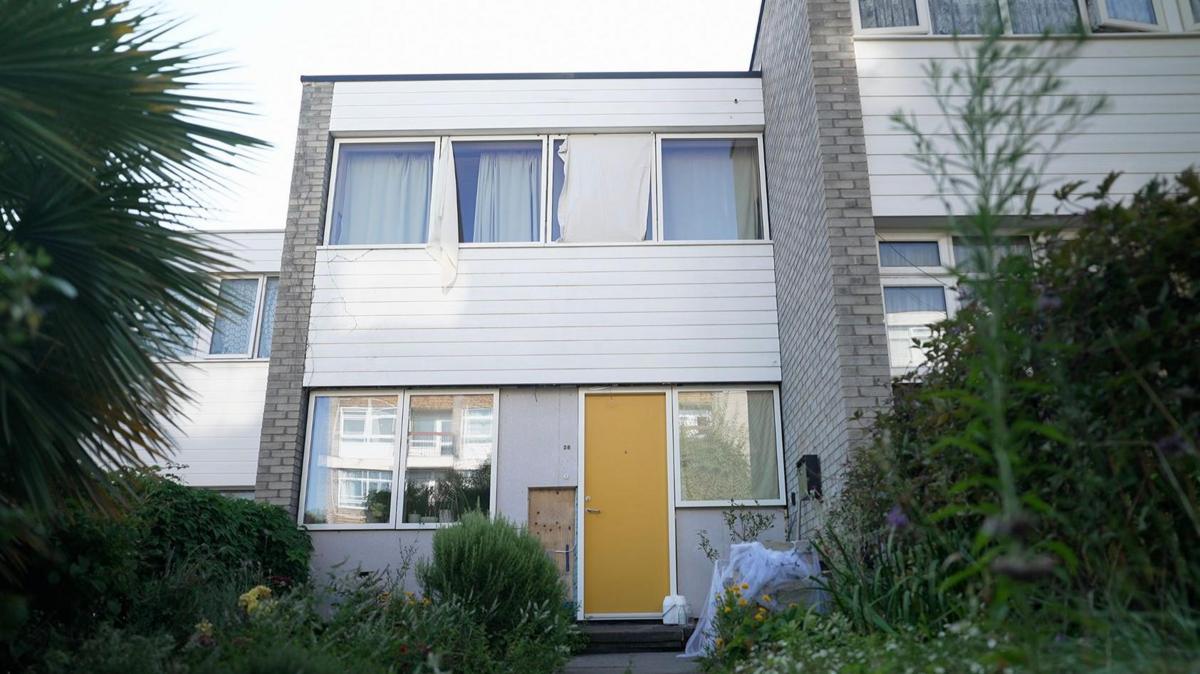
- Cross-ventilation is the goal overnight and in the early morning — open windows on opposite sides of the home to release trapped warm air, while keeping windows shut and blinds closed on the sun-facing side during the day.
- Ovens, washing machines, and dishwashers all emit significant heat during use, so avoiding them at peak temperatures and sticking to cold foods like salads can prevent unnecessary indoor heat generation.
- Local authorities in London, Manchester, and Bristol have established networks of "cool spaces" — air-conditioned public buildings such as libraries and leisure centres where residents can seek relief when their homes are too hot.
Why it matters: The roughly 20–40x daily cost gap between fans and air conditioning gives budget-conscious households a clear default, while the 35°C fan ceiling and municipal 'cool spaces' networks give those without AC a public fallback. Prof Tipton's guidance also reframes two intuitive moves — ice-cold showers and assuming more fan is always better — as potentially counterproductive when the body is already heat-stressed.
Ask SkimNews