Faster Slaughter Lines Would Add 3.5B kg CO2, Critics Warn — SkimNews
SkimNews Take
The pursuit of efficiency in meat processing, while seemingly an internal industry matter, externalizes a significant portion of its environmental cost onto the public through increased emissions.
Get the Energy newsletter
Daily energy & climate — solar, EVs, oil, the policy fights and tech bets shaping the transition. Free.
- USDA proposed rules in February allowing poultry plants to kill 175 chickens per minute (up 25% from 140) and removing the speed cap entirely for hog slaughterhouses (currently limited to 1,106 pigs per hour).
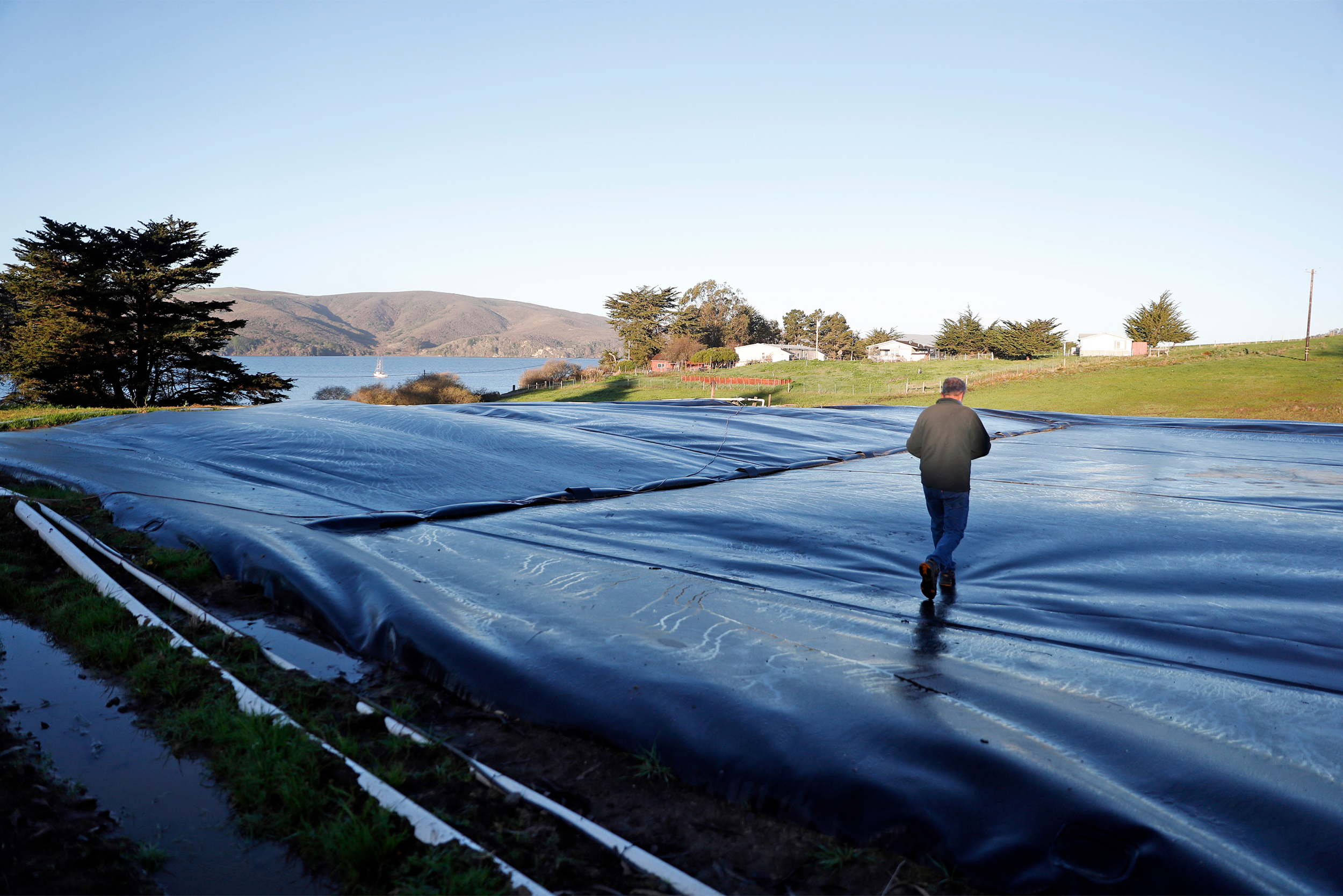
- Patti Truant Anderson of the Johns Hopkins Center for a Livable Future calculated the poultry rule alone would generate 114 billion additional liters of water and 2 billion kilograms of CO2 annually; the hog rule would add 95.4 billion liters of water and 1.5 billion kg of CO2.
- The USDA maintains its Food Safety and Inspection Service is categorically excluded from National Environmental Policy Act review, so neither the projected emissions nor the water impacts will receive a formal environmental assessment.
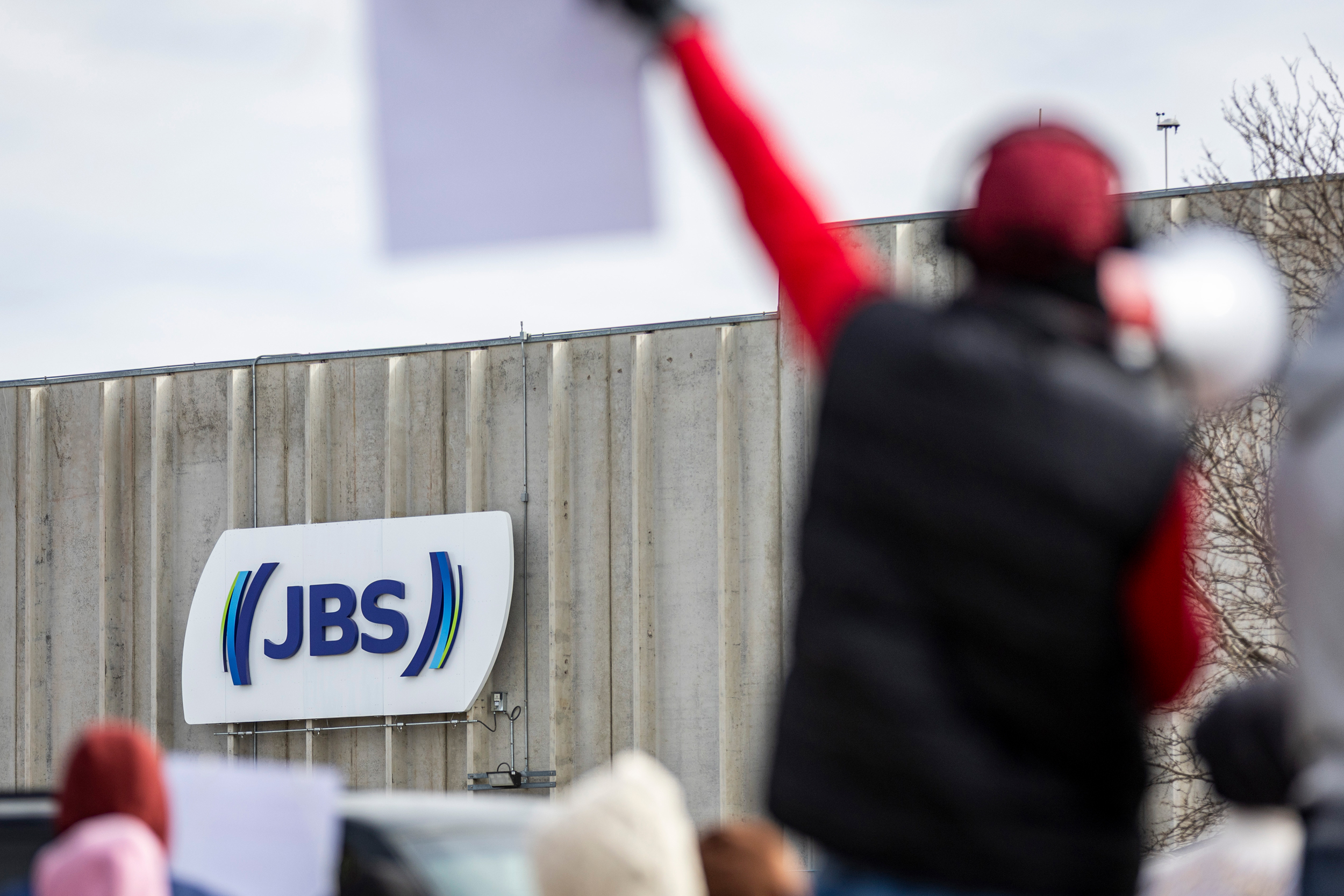
- Two senators and three representatives wrote to USDA on April 30 calling the proposal unacceptable, while the agency logged more than 72,000 public comments—roughly 22,000 opposed to the poultry rule and 20,000 opposed to the hog rule.
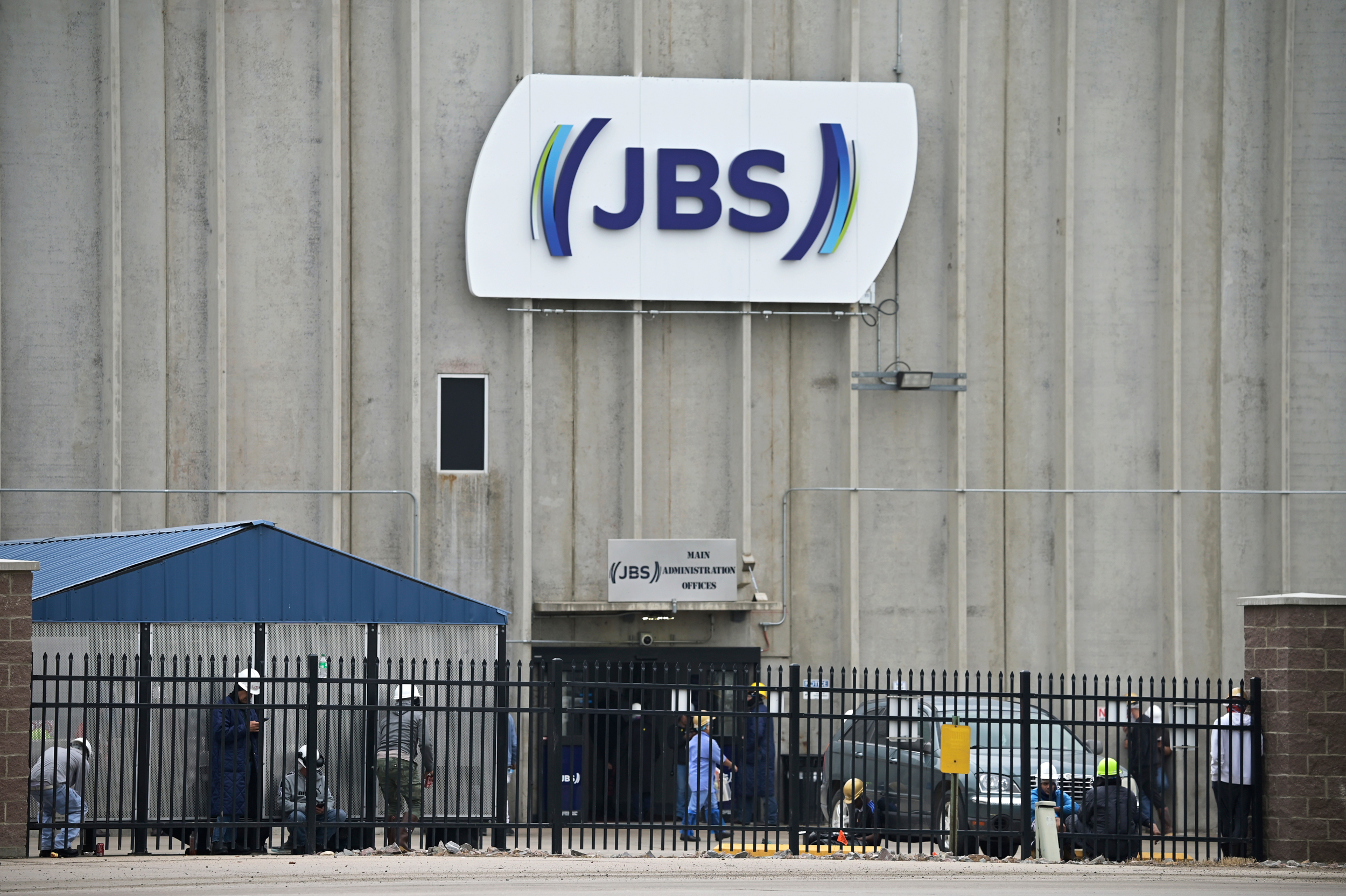
- Jill Mauer, a 30-year government meat inspector, publicly broke ranks to warn that faster lines will worsen conditions in facilities where, per 29-state OSHA data, an average of 27 slaughterhouse workers a day suffer amputations, eye loss, or injuries requiring hospitalization.
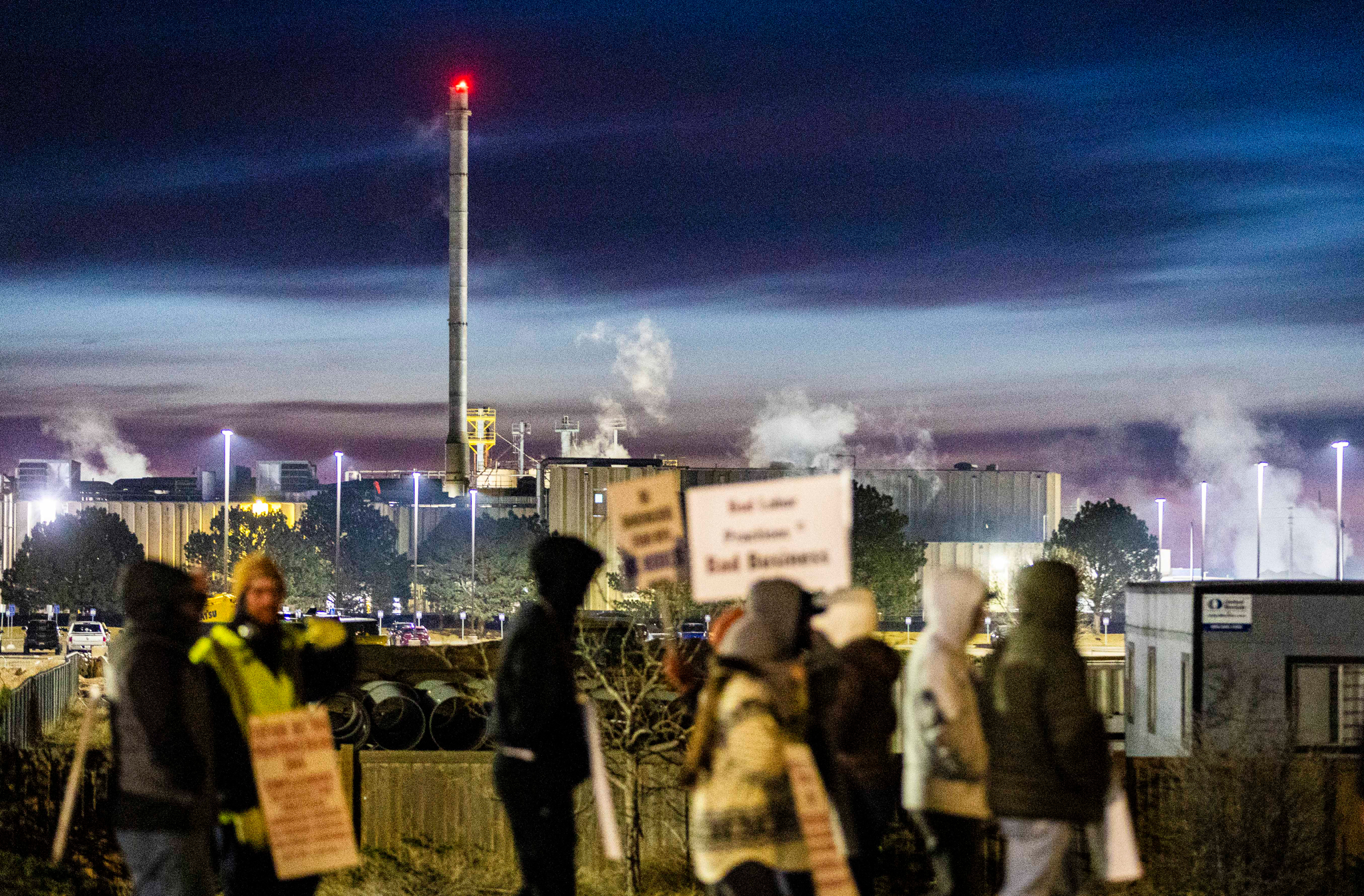
- Climate change is already degrading high-speed operations—extreme heat routinely knocks out CO2 stunning equipment (leaving pigs conscious) and water shortages force facilities to disable cooling misters, attorney Amanda Hitt of Vermont Law and Graduate School said.
Why it matters: By invoking a categorical NEPA exclusion, the USDA is giving the meat industry a regulatory shortcut that no other major polluting sector enjoys—meaning the projected 3.5 billion kg of extra CO2 and 209 billion liters of extra water use will never be formally tallied against climate goals. And the facilities meant to absorb this volume are already buckling under heat-driven equipment failures, putting both the workforce and the food supply on shakier ground.
Ask SkimNews