Tesla hits 10 million vehicles — but its EV growth has stalled — SkimNews
Get the Energy newsletter
Daily energy & climate — solar, EVs, oil, the policy fights and tech bets shaping the transition. Free.
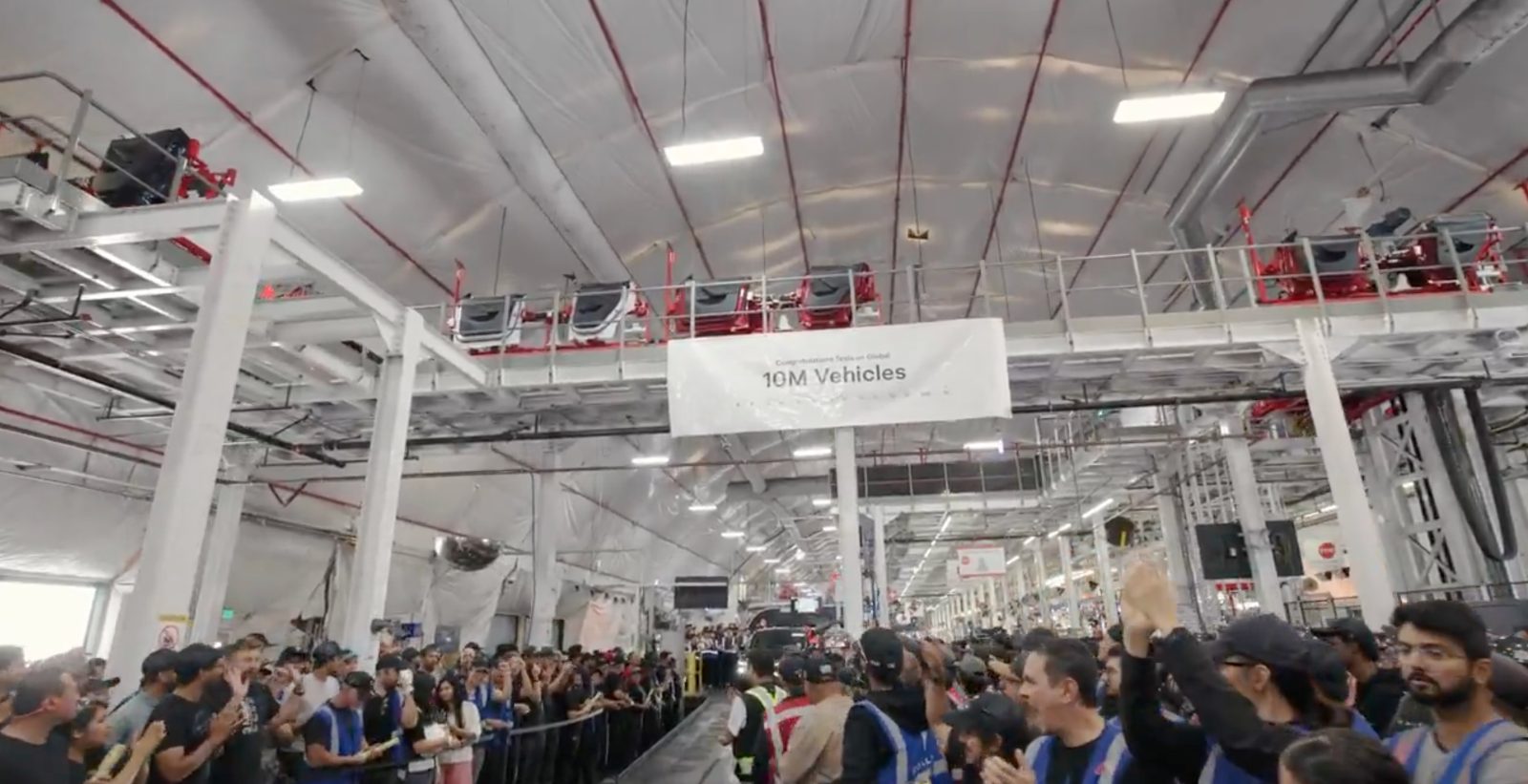
- Tesla built its 10 millionth vehicle this week, becoming the first automaker to reach that all-electric production milestone.
- Tesla's deliveries peaked at 1.81 million in 2023, slipped to 1.79 million in 2024, and fell again to 1,636,129 in 2025 — a 9% year-over-year drop and the company's first-ever back-to-back annual declines.
- Tesla claims installed annual manufacturing capacity of more than 2.375 million units (over 950,000 in Shanghai, more than 550,000 in Fremont, over 375,000 in Berlin, and 500,000 across Texas lines), but Q2 2026 production of 451,758 and deliveries of 480,126 put it on pace for roughly 1.8 million — more than half a million units short of what its plants can build.
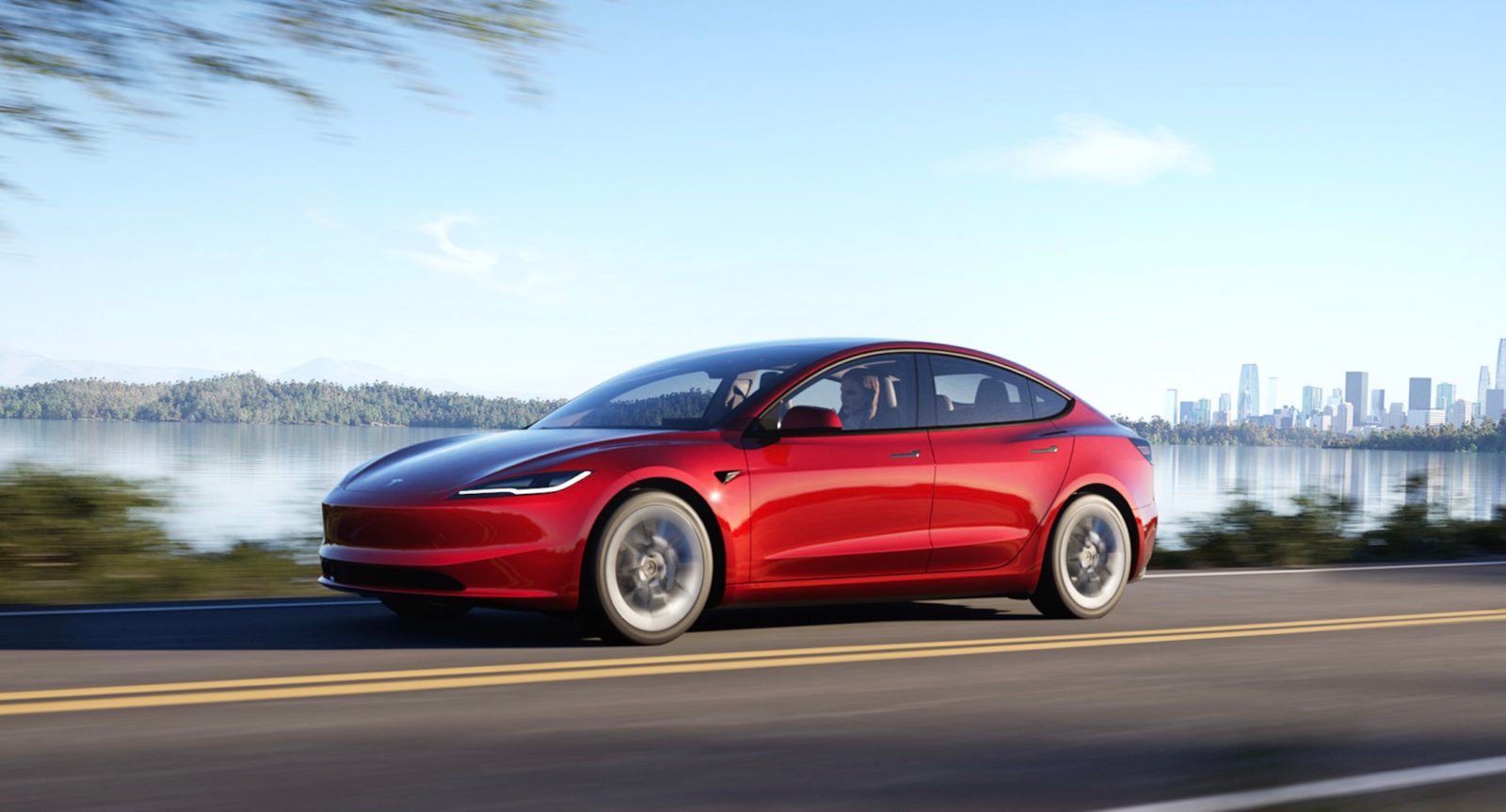
- The company's core lineup hasn't refreshed: the Model 3 has been on sale since 2017 and the Model Y since 2020, while the Cybertruck flopped and the Cybercab, Semi, and second-generation Roadster remain unfinished.
- Tesla told shareholders in its Q1 2024 update it was "currently between two major growth waves," with the second wave supposedly anchored by a cheaper next-generation vehicle — but more than two years later, that vehicle still hasn't arrived.
- Tesla has redirected attention and capital toward robotaxis and Optimus, yet its robotaxi fleet is shrinking rather than growing and Optimus timelines keep slipping, and neither product sells a single additional car.
Why it matters: Tesla is leaving more than half a million units of paid-for factory capacity idle each year because demand has collapsed on an aging lineup it hasn't refreshed, with no cheaper next-generation vehicle in sight. The pivot to robots and robotaxis was supposed to open a new growth wave — instead, the core auto business that still funds everything else is contracting while the company waits for bets that haven't paid off.
Ask SkimNews