U.S. Pacific Air Forces Flex B-2 Stealth Bomber LRASM Capability — SkimNews
Get the Geopolitics newsletter
Daily geopolitics — wars, elections, sanctions, the diplomatic moves that move markets. Free.
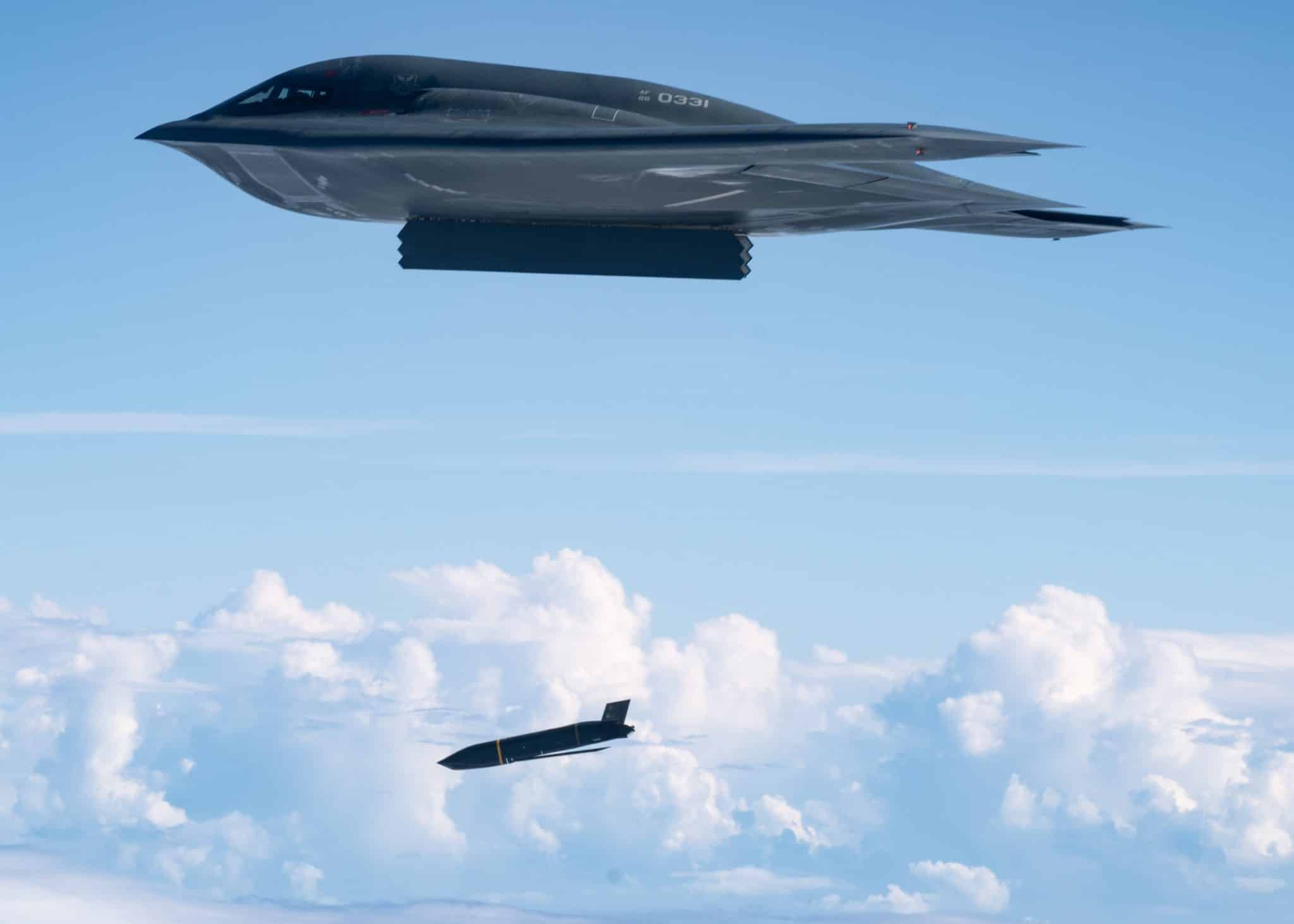
- Pacific Air Forces demonstrated B-2 stealth bombers employing AGM-158C LRASM missiles during a Pacific sinking exercise, with commander Gen. Kevin B. Schneider saying counter-maritime strike operations are essential to maintaining a "decisive edge over adversaries."
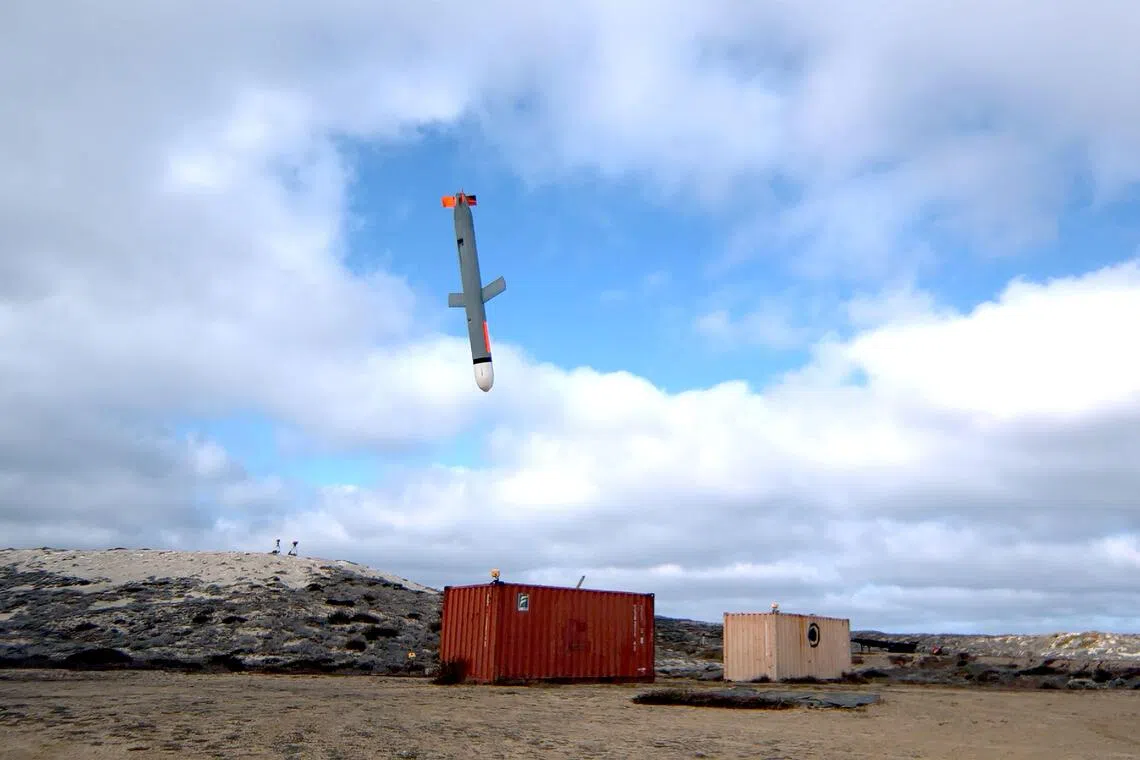
- AGM-158C LRASM, built by Lockheed Martin, carries a 1,000-pound warhead with a range over 200 nautical miles and is derived from the stealthy Joint Air-to-Surface Standoff Missile — a marked upgrade from Cold War-era Harpoon missiles.
- The B-2 Spirit can launch these strikes from the U.S. homeland; the source notes its global reach was recently showcased in the U.S.-Iran War, and last year's Norway-based Quicksink experiments with modified guided-bomb kits showed intent to expand the fleet's maritime role.
- F/A-18E/F Super Hornets and B-1B bombers already carry LRASM, with integration underway for the P-8 maritime patrol aircraft, F-35 fifth-generation fighter variants, and F-15EX.
- The People's Liberation Army Navy's modernization — including guided-missile destroyers, long-range air defenses, and an advanced air force — is driving Air Force planners to develop new anti-ship capabilities as Cold War-era systems prove insufficient.
- The Air Force announced last week it is searching for a family of next-generation missiles capable of striking ground, air, and naval targets out to 1,000 nautical miles, requirements shaped by the service's "Long-Range Kill Chain" concept.
Why it matters: The PLA Navy's expansion with guided-missile destroyers and long-range air defenses has made Cold War-era anti-ship systems insufficient, pushing the Air Force to field the B-2 Spirit with LRASM as a homeland-based strike platform and to pursue next-generation missiles with 1,000-nautical-mile reach for a peer-level fight.
Ask SkimNews